OpenAI, the artificial intelligence research powerhouse, recently set the cryptocurrency and tech communities abuzz with the announcement of its latest large language model family, GPT-5.6. The company introduced three new models—Sol, Terra, and Luna—that immediately sparked widespread discussion due to their pointed associations with some of the most influential and controversial projects in the world of digital assets. The strategic naming and technological improvements represent a pivotal moment for both AI and crypto industries, as stakeholders from each community seek to understand the implications of these choices and innovations.
OpenAI’s Bold Naming Strategy Shakes the Crypto Community
The debut of GPT-5.6’s Sol, Terra, and Luna models was met with intrigue as well as a measure of skepticism within the cryptocurrency sector. These names were not selected in a vacuum—each resonates deeply due to its overlap with significant blockchain projects and events that have shaped the perception of digital currencies over the last several years. While OpenAI has a history of naming models in creative ways, this decision appeared to push the boundaries with references that evoke both the promise and turmoil of crypto’s recent past.
The three names, in particular, carry powerful connotations:
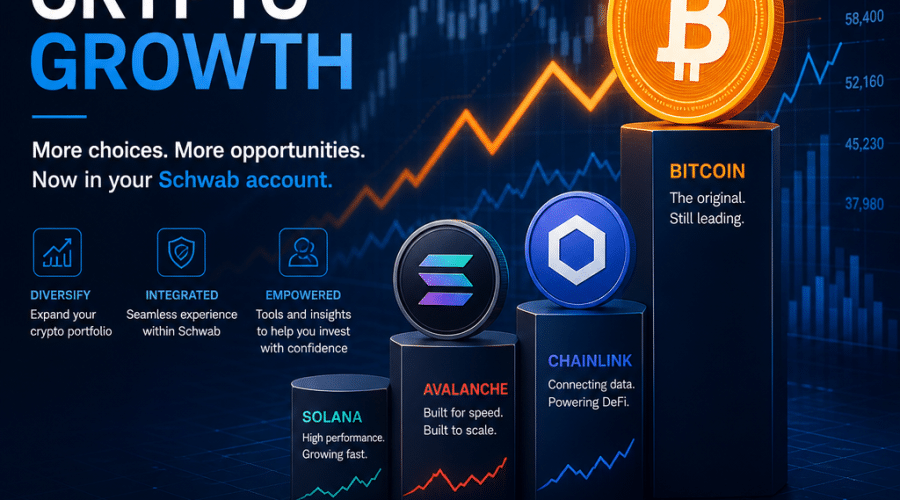
- Sol: Closely associated with Solana, a blockchain project that has carved out a reputation as a high-performance smart contract platform. Solana has been a favorite in DeFi and NFT circles and is praised for its quick transaction speeds.
- Terra and Luna: Evoke memories of the infamous crash of TerraUSD (UST) and Luna in 2022, an event that erased billions in market value, destroyed countless portfolios, and sent shockwaves through crypto regulation and investor confidence worldwide.
This blend of allusion and innovation did not go unnoticed. Social media quickly picked up on the references, generating memes, commentary, and even direct responses from official crypto accounts. Notably, Solana’s official X (formerly Twitter) account humorously referred to OpenAI’s CEO as “Sam Altcoinman,” a clever play on the names Sam Altman and “altcoin,” highlighting the close cultural relationship between the AI and crypto communities.
The Significance of Sol, Terra, and Luna in Crypto Lore
To appreciate the impact of these naming choices, it is important to reflect on what Sol, Terra, and Luna symbolize in cryptocurrency history:
Sol: The Rise of Solana
Solana has earned recognition as one of the fastest-growing ecosystems in crypto. Its SOL token serves as the backbone for a range of decentralized applications and DeFi products. Since its inception, Solana has been lauded for scalability, efficiency, and low fees. However, it has also faced criticisms regarding network outages and centralization concerns, making its inclusion in OpenAI’s latest innovation both an endorsement and an invitation for renewed scrutiny.
Terra and Luna: Icons of a Catastrophic Collapse
In sharp contrast to Solana’s narrative, the mention of Terra and Luna brings memories of the catastrophic collapse that occurred in May 2022 when the Terra blockchain’s stablecoin, UST, lost its peg to the US dollar. The resulting downward spiral wiped out the LUNA token, causing an existential crisis for algorithmic stablecoins and prompting renewed calls for regulation. The high-profile losses affected institutional and retail investors alike, cementing Terra and Luna in the annals of crypto cautionary tales. OpenAI’s use of these names is thus both provocative and a possible commentary on learning from the past in the pursuit of technological progress.
Inside the GPT-5.6 Model Family: Features and Innovations
Beyond the headlines and the online banter, the GPT-5.6 family represents an evolutionary step in the world of generative AI. OpenAI has positioned these models to meet the increasingly diverse needs of enterprise clients, focusing on both improved performance and cost accessibility. Here’s a closer look at what each new model offers:
- GPT-5.6 Sol: Marketed as the flagship model of the lineup, Sol promises superior performance compared to its predecessor, the GPT-5.5 series. OpenAI projects that Sol will lead the way in handling complex business applications and advanced natural language processing tasks.
- GPT-5.6 Terra: Designed to deliver capabilities on par with earlier iterations but at a dramatically reduced price point. OpenAI claims a 50% cost reduction, making state-of-the-art AI more accessible to a broader spectrum of clients.
- GPT-5.6 Luna: Engineered with a focus on affordability, Luna is tailored for organizations and developers managing extensive workloads or requiring mass deployments while keeping overhead costs low.
Key features of the release include optimized computational efficiency, faster response times, adaptability to diverse business requirements, and enhanced feedback loops for enterprise integration. OpenAI has kept the initial release in limited preview, targeting select business partners and gathering robust feedback from enterprise users before a wider rollout. This strategy suggests a careful approach, prioritizing performance validation and user experience before unleashing the new capabilities to a global audience.
Industry Response: Hype, Humor, and Speculation
The news was met with enthusiasm as well as critical inquiry. While some sectors of the crypto and technology worlds applauded OpenAI’s nod to decentralized finance and blockchain, others questioned the wisdom of reviving memories of one of crypto’s most tumultuous episodes. Online discussions quickly dissected the meaning behind each model’s name, with thought leaders speculating on whether OpenAI intended to signal greater engagement with the crypto economy or simply capitalize on its cultural footprint.


The interplay between the AI and crypto industries has grown rapidly in recent years, with blockchain projects incorporating AI to enhance security, automate trading, and optimize decentralized applications. OpenAI’s move therefore taps into a growing trend of convergence between two of the most disruptive technological domains of the 21st century.
Strategic Implications: Positioning for the Future
The GPT-5.6 release holds strategic significance for OpenAI as it contends with increasing competition in the fast-evolving AI landscape. By marrying industry-leading AI capabilities with recognizable crypto branding, OpenAI is staking a claim as a bridge between these technological frontiers. The allusion to crypto—whether intended as homage, satire, or a combination of both—signals an openness to dialogue with a community that thrives on innovation, disruption, and reimagining established systems.
On the technical side, OpenAI’s focus on cost efficiency and scalability reflects broader market forces. Businesses increasingly demand AI solutions that are not only powerful but also accessible and economical. By offering differentiated price points without undercutting core performance, OpenAI is likely to appeal to enterprises and developers looking to integrate state-of-the-art AI without ballooning operational expenses.
Looking Ahead: Anticipation and Open Questions
As of now, the GPT-5.6 Sol, Terra, and Luna models remain in limited preview, with access granted to selected business partners. OpenAI has indicated that the initial phase will involve close collaboration and feedback collection, with a broader rollout anticipated once performance benchmarks are met and enterprise feedback is fully incorporated.
The broader technology world is watching closely. Will the deliberate reference to crypto legends attract users and partners or distract from the technology’s merits? Will the lessons of Terra and Luna’s failures inform the future of AI deployment, or is this simply a branding exercise designed to capture attention?
Whatever the answers, OpenAI’s GPT-5.6 model family is already shaping conversations at the intersection of artificial intelligence and blockchain technology. By tapping into the mythology of both boom and bust cycles in crypto, OpenAI’s latest release is as much a cultural moment as a technological one, setting the stage for future innovation where AI and digital assets increasingly intersect.
Conclusion: A New Era for AI and Crypto?
The introduction of Sol, Terra, and Luna as the next wave of GPT models underlines OpenAI’s understanding of cultural nuance and industry trends. By referencing both triumph and tragedy in crypto, OpenAI bridges the past and future, inviting both reflection and anticipation. As businesses and developers await broader access to these advanced models, it is clear that the company is committed to pushing the boundaries of what AI can achieve—while also acknowledging the volatility, creativity, and unpredictability that define the modern technological landscape.
The continued convergence of AI and blockchain technologies promises a future where innovation will be shaped not only by technical advancement but also by the stories, symbols, and shared histories that connect communities across the digital world.