Recent developments in both the cryptocurrency and traditional markets have highlighted a sharp division between stories grounded in robust, multi-source verification and those that remain either thinly sourced or based on the claims of a single outlet. Regulatory initiatives, macroeconomic shifts, and high-stakes moves by major financial and crypto entities have all contributed to a dynamic news cycle. This comprehensive update dissects key events, focusing on evidence strength, the credibility of sources, and what these revelations mean for both the crypto sector and the broader financial market.
The Regulatory Front: The GENIUS Act and Binance’s UK Ambitions
The U.S. Treasury’s GENIUS Act Proposal Gains Broad Consensus
The most widely validated story in the past day centers around the U.S. Treasury Department’s proposal to implement the GENIUS Act, a federal legislative effort set to revamp the regulation of stablecoin issuance in the United States. Notably, this proposal has been reported by seven independent publishers, including reputable names such as American Banker and major cryptocurrency-focused news outlets. In total, the story has reached at least fourteen news feeds—clear evidence of broad corroboration and strong newsworthiness.
The GENIUS Act aims to clarify and enhance oversight for stablecoin issuers and sellers, introducing a structured public-comment process to define and refine supervisory mechanisms. By prioritizing transparency and public input, the Treasury signals its dedication to establishing a robust regulatory framework for the burgeoning stablecoin sector. Regulatory certainty is critical for both institutional adoption and retail market confidence, particularly as stablecoins grow in importance as a bridge between the world of fiat and digital currencies.
The wide coverage across multiple major publishers lends this proposal an air of reliability and importance rarely matched in the fast-moving, often rumor-laden world of crypto news. It stands not just as a piece of legislative news, but as a marker of the government’s willingness to collaborate with industry rather than constrain it unilaterally.
Binance’s Renewed Pursuit of a UK License
Running parallel to developments in Washington is the ongoing regulatory saga involving Binance, the world’s largest cryptocurrency exchange. Having exited the UK market in 2021 following a regulatory ban, Binance is now making active attempts to return—this time by seeking an official license from the UK’s Financial Conduct Authority (FCA). This story, reported by at least three independent outlets including Cointelegraph and BeInCrypto, indicates renewed dialogue between regulators and leading market players.
Binance’s push for a legitimate return signals both its ambition to reclaim lost market share and a broader industry desire for clarity and cooperation between crypto businesses and national regulators. Strategic moves like these, reported by multiple reputable sources, suggest that regulatory engagement may be entering a new, more constructive phase.
While neither the GENIUS Act nor Binance’s FCA application comes with a definitive timeline, their simultaneous progression points to a landscape where jurisdictional oversight and industry participation are moving toward alignment.
Macroeconomic Uncertainties: Elevated Geopolitical Risk and Unusual Market Signals
Wall Street Reacts to U.S.–Iran Tensions
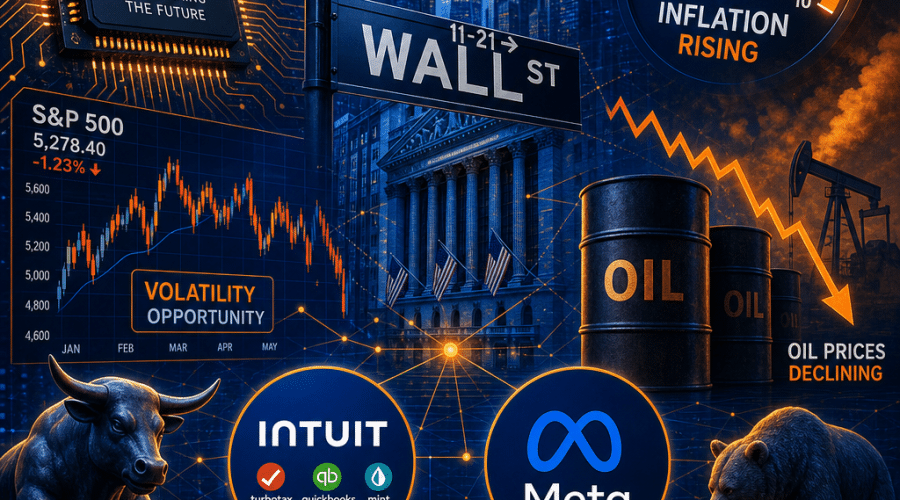
Beyond regulatory shifts, global macroeconomic signals remain complicated. The Dow Jones Industrial Average fell by approximately 270 points—a sharp single-session drop—amid escalating tensions between the United States and Iran. This move, alongside a concurrent spike in oil prices, underscores investor sensitivity to rising geopolitical risk.
Reported by two financial news providers, the drop marks a risk-off moment for equities, though the limited coverage cautions against reading this as the start of a definitive trend. Markets are always in flux, but in this case, the geopolitical backdrop is casting longer shadows on investor sentiment.
Market Prediction Platforms Signal a Hawkish Federal Reserve
Another macroeconomic indicator raising eyebrows is the probability of Federal Reserve action in the near future—specifically, expectations around interest rates. A leading prediction market currently assesses the probability of a September rate cut at just 1%, while assigning a 24% chance to a rate hike, an assessment that runs counter to prevailing forecasts by most mainstream economists.
This information, confirmed by two independent news outlets, reveals a significant divergence between market sentiment and institutional consensus. Running counter to expectations, these probability shifts imply that economic actors are discounting the likelihood of monetary easing. The fact that both this story and the Dow’s fall are each reported by just two publishers means that, while noteworthy, these are not yet fully validated trends. When considered together, however, they hint at a market environment fraught with caution and skepticism about a near-term rebound.
Unconfirmed High-Profile Claims: A Note of Caution
Jane Street’s Reported Trading Loss Sparks Controversy
Headlines flashed concerning a reported $15 billion loss at trading firm Jane Street in July—the company’s first negative month in nearly a decade. Some reports even linked the loss to a hedge fund known as Situational Awareness. The magnitude of this claim is immense, but it is essential to recognize that only two outlets have independently reported it, and neither has been able to fully verify the figures or the alleged cause.


This situation underscores a common challenge in financial reporting: sensational numbers can gain quick traction, but without independent verification, the reliability of such claims remains uncertain. While the possibility of a major financial setback at a leading trading firm is significant, readers and investors alike should treat these reports with appropriate skepticism until further corroboration emerges.
Santiment Data: Bitcoin Returns to Exchanges
In another widely discussed but not yet fully substantiated development, on-chain analytics provider Santiment has reported that 84% of previously withdrawn Bitcoin has been transferred back onto cryptocurrency exchanges, bringing reserves close to levels last seen in June. This data point has been picked up by three independent publishers, but they all cite the same data source. Without independent verification or alternative on-chain analyses, the news should be regarded as provisional.
While neither the Jane Street nor the Santiment stories can be dismissed outright—the underlying events are plausible—the exact magnitude of their claims remains uncertain. Both serve as reminders that even in a data-driven marketplace, single-source reporting must always be approached with caution.
AI–Crypto Crossovers: Innovation Backed by Solid Support
Payward (Kraken’s Parent) Joins Anthropic’s AI Security Initiative
On the technology front, the convergence of artificial intelligence and crypto infrastructure is becoming increasingly tangible. Payward, the parent company of leading exchange Kraken, has joined Anthropic’s Project Glasswing. The goal: to leverage Anthropic’s Claude Mythos 5 model in the hunt for software vulnerabilities and improve cybersecurity across the industry.
This partnership, reported by four independent publishers including top-tier crypto news organizations, highlights the growing recognition that AI can play a crucial role in safeguarding digital ecosystems. As both sectors face heightened scrutiny and threats from bad actors, collaborative initiatives like Project Glasswing could set the standard for future industry security measures.
IREN’s Major AI Cloud Milestone in Partnership with Microsoft
Similarly, IREN—a firm with roots in Bitcoin mining—has signaled its shift toward artificial intelligence infrastructure by completing the first of four planned AI cloud deployments in a high-profile, $9.7 billion deal with Microsoft. Three independent publishers have confirmed this milestone, reflecting both the significance of the development and solid support from the crypto and tech press.
These advancements show that the intersection of blockchain and AI is not merely speculative but is now being actively built out by significant players in the field. However, as with other stories in this cycle, both the Payward-Anthropic and IREN-Microsoft stories stop short of detailing the full timelines or remaining phases, keeping some elements of longer-term impact uncertain.
Key Takeaways: Separating Signal from Noise
From this flurry of overnight activity, the standout, best-supported story is clearly the U.S. Treasury’s GENIUS Act proposal on stablecoin issuance. With seven independent sources and fourteen news feeds, it offers a depth of evidence rarely matched by other stories in this cycle. Binance’s attempt to regain its UK operating license is another well-sourced regulatory development indicative of industry-regulator rapprochement.
Conversely, attention-grabbing claims about major institutional trading losses and dramatic Bitcoin flows back to exchanges, while noteworthy, require more independent confirmation before they can be asserted as settled fact. Meanwhile, the AI and crypto infrastructure crossover stories demonstrate the field’s ongoing evolution and hint at future headlines as these partnerships and deployments mature.
In volatile markets where noise often drowns out fact, rigorous sourcing and cross-verification remain paramount. Whether you’re an investor, builder, or fascinated observer, understanding which stories are best anchored in evidence will be your best guide to separating meaningful trends from fleeting rumors.