Authorities in the Moscow region have recently uncovered an illegal Bitcoin mining operation in the area near Yegoryevsk, exposing the persistent challenges posed by unregulated cryptocurrency activities. The site, operated by a 68-year-old retiree, not only drew attention due to the age of its alleged operator, but also because of the significant damage it inflicted on the local electricity infrastructure, with losses estimated to exceed 4 million rubles. This discovery has reignited debates over the impact of shadow cryptocurrency mining and the broader implications for Russia’s power grid, legal framework, and local communities.
Retiree at the Center of Underground Bitcoin Mining Operation
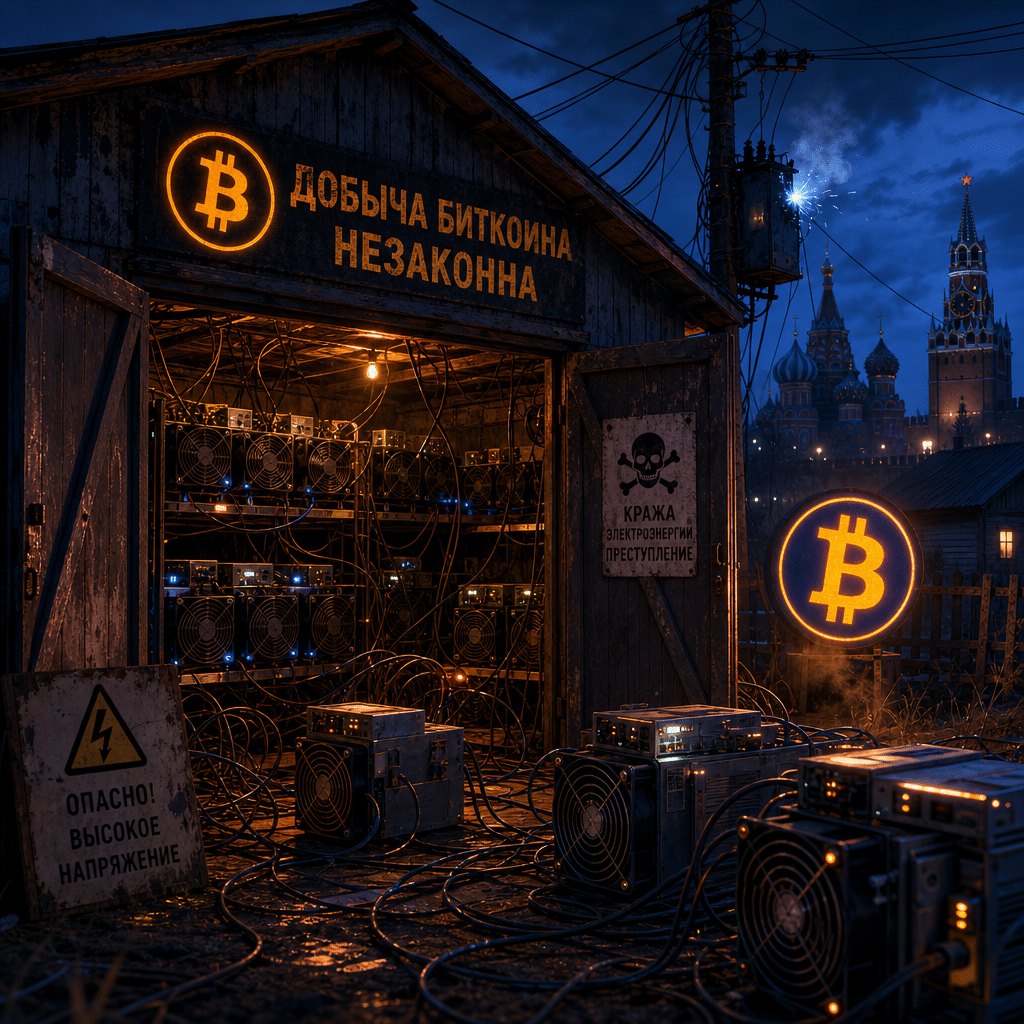
The rural settlement near Yegoryevsk had long been considered a quiet enclave, but its tranquility was shattered when law enforcement officials discovered an underground Bitcoin mining farm hidden in its midst. Contrary to stereotypical images of high-tech young entrepreneurs, the center of this illegal activity was a 68-year-old resident. Authorities found over 30 advanced ASIC mining devices—the specialized computers used to efficiently process Bitcoin transactions—running non-stop. These power-hungry machines placed a dramatic and unsustainable demand on the electricity supply, causing instability and creating costly disruptions throughout the local power grid.
Upon raiding the facility, the authorities detained the retiree and seized a variety of equipment central to the operation. The confiscated items included routers, a laptop, mobile phone, and a comprehensive cooling system, all essential components for the high-temperature, continuous functioning of Bitcoin miners. Subsequent investigations linked the clandestine operation to persistent voltage fluctuations and other power-related problems experienced by nearby households. Indeed, the cumulative impact of these unlawful activities surpassed four million rubles in direct damages—an amount that signals the far-reaching consequences of unauthorized energy usage.
Criminal proceedings have already commenced against the senior citizen, focusing on the alleged misappropriation of communal resources for personal gain. The suspect, now under house arrest, faces significant legal jeopardy with charges related both to illicit electricity usage and the broader economic detriment his actions caused to the community’s power infrastructure.
Economic Pressures Behind the Rise of Illegal Crypto Mining
This case is symptomatic of a rising trend: the proliferation of unlicensed and concealed cryptocurrency mining setups across Russia. One of the principal drivers is economic—a confluence of soaring electricity tariffs and stricter regulatory requests has undermined the profitability of legitimate, aboveboard mining. In order to preserve thin margins amid volatile market conditions and higher operating expenses, some miners have resorted to operating under the radar, establishing unauthorized connections to residential power supplies designed for much lower consumption.
Such strategies are fraught with risk. Residential infrastructure in Russia, especially in rural and semi-rural areas, is simply not engineered to withstand the immense, continuous loads demanded by industrial-scale mining operations. This mismatch leads not only to outright overloads and frequent outages but also to pervasive voltage irregularities. Neighbors of the illegal mining sites often experience damaged electronic equipment and service interruptions—manifestations of broader community-level harm that extend far beyond mere financial calculations.
The uncertain economics of mining have further complicated the landscape. With fluctuating Bitcoin prices and increasing network difficulty, smaller participants are frequently squeezed out of legitimate markets. Many individuals, especially those lacking the capital to invest in more efficient, large-scale setups or to pay premium commercial electricity rates, may be tempted toward these risky, illegal schemes. However, with rising regulatory scrutiny, the dangers—both legal and practical—are higher than ever.
Increased Surveillance and Regulatory Action on the Horizon
The exposure of this illegal operation is expected to be a bellwether for intensified monitoring and regulation across the Russian Federation. Energy providers and regulatory bodies are poised to implement far more rigorous surveillance of electricity consumption, especially in residential neighborhoods and rural settlements where such mining operations may attempt to hide.
Several significant consequences are likely to emerge as enforcement efforts ramp up:


- Stricter inspections of residential and mixed-use areas: Authorities are anticipated to conduct more frequent and sophisticated audits of electricity consumption, employing both manual checks and automated technologies to detect anomalous patterns indicative of illicit mining.
- Increase in legal actions: With new tools for detection, law enforcement is likely to initiate a growing number of criminal cases against individuals engaged in unauthorized mining. This, in turn, may serve as a deterrent to would-be operators.
- Tighter control over grid connections: Utility providers could institute more controlled access to high-capacity electrical connections, introducing new application requirements and limiting unexpected spikes in usage.
- Reduction in shadow mining activity: Collectively, these measures are expected to curtail the prevalence and profitability of underground mining, potentially stabilizing local power supplies and promoting a more transparent market.
While proponents argue that such oversight is necessary to protect infrastructure and guarantee fair energy allocation, critics caution that these changes may further raise entry barriers for smaller, independent operators. The industry may become less accessible to individuals without the resources to comply with heightened legal and technical requirements.
Heightened Regulation and the Changing Landscape of Russian Crypto Mining
The illegal mining incident in the Moscow region is indicative of a national—and even global—shift toward more intensive regulation of cryptocurrency mining. Historically, Bitcoin mining in Russia comprised both authorized, large-scale data centers and a significant number of shadow operations running out of private homes, garages, or sparsely monitored commercial properties. The latter group, finding themselves increasingly squeezed by both market forces and stricter enforcement, may soon face the prospect of extinction in the face of mounting pressure from the authorities.
Regulators in Russia have signaled a clear intention to ramp up both legislative and operational oversight. The latest case demonstrates that law enforcement agencies are willing and able to target not just high-profile commercial installations, but also the “mom-and-pop” setups typically regarded as lower-risk. Compliance—covering everything from transparent energy usage to the proper registration and taxation of mining operations—will become ever more central to ongoing participation in the crypto economy.
This tightening environment implies rising costs, both direct and indirect. Operators must now budget not only for ever-more efficient mining hardware and access to affordable power, but also for legal advice, licensing, and ongoing compliance expenditure. Large-scale, professionally managed operations with solid finances and access to government-approved energy solutions are positioned to benefit from this trend, potentially achieving a disproportionate market share as smaller players are forced out.
There are significant implications for the decentralization ethos that originally characterized cryptocurrencies like Bitcoin. As compliance burdens grow, market entry points narrow, and legal risks expand, mining may become concentrated in the hands of a few well-capitalized, government-aligned entities, eroding the competitive diversity—and, arguably, the resilience—of the wider mining ecosystem.
Broader Ramifications and the Future of Crypto Mining in Russia
The recent bust in Yegoryevsk is likely to serve as a cautionary tale, both to individuals wishing to supplement their income through clandestine mining and to regulators eager to assert greater control over the sector. The pressure toward greater oversight is clear, and the regulatory direction is unlikely to reverse in the foreseeable future.
Market observers will be watching closely to see how quickly—and effectively—these new policies are implemented. The shift may herald a more stable market for electricity supply, potentially benefiting ordinary consumers who currently bear the hidden costs of cryptomining-driven outages and equipment failures. At the same time, however, the path forward will likely see higher entry costs and less flexibility for smaller operators, redefining the landscape of digital asset production across Russia.
For the industry, adaptation will be key. Companies and individuals active in the sector must urgently review compliance strategies, strengthen legal and technical safeguards, and, where possible, seek legitimate means of operation. The long-term survival of Russian crypto mining may well depend on the willingness and ability of all participants to operate transparently, sustainably, and within the boundaries of the law.
“`