Meta Enters AI Cloud, Fed Sees Softening Inflation: Markets Begin H2 2026 on Strong Note
Meta’s Ambitious AI Cloud Venture Signals Next Stage of Growth
In one of the most significant moves of the week, Meta made headlines as reports surfaced about the company’s intention to launch a dedicated AI cloud infrastructure business. This strategic pivot marks Meta’s entry into direct competition with dominant cloud providers, challenging household names in the enterprise IT and cloud computing space.
The initiative is a bold step away from Meta’s traditional reliance on its core social media and advertising business. By leveraging its vast expertise in large-scale AI systems—apps like Facebook, Instagram, and WhatsApp already operate with advanced machine learning tools—Meta is poised to offer high-performance cloud solutions tailored for the next wave of artificial intelligence demands.
Investors have taken keen notice. The current investment climate highly favors companies building out the infrastructure necessary for AI, as demand for computational power and data-processing capabilities continues to surge in both public and private sectors. Meta’s ability to harness its in-house AI experience is seen as a potential competitive edge that could disrupt the current dominance of existing cloud titans.
Inflation in Focus as Fed Emphasizes Moderating Risks
The broader economic outlook was buoyed by comments from Federal Reserve Chair Kevin Warsh. Addressing market concerns, Warsh indicated that inflation risks in the United States have moderated, but reaffirmed the central bank’s unwavering commitment to its 2% inflation target.
The timing of Warsh’s statement is crucial. Coming just days ahead of the highly anticipated June jobs report, investors are parsing every word from the Fed for insight into the future path of interest rates. As inflation appears more contained, speculation mounts about the prospects for rate cuts or a pause in the ongoing rate hike cycle.
For growth-oriented sectors—particularly technology and AI—a softer inflation outlook typically spells good news. Lower or steady rates increase the present value of future earnings, favoring companies whose expected profits lie further out on the horizon.
Wall Street’s Robust Start to the Second Half of 2026
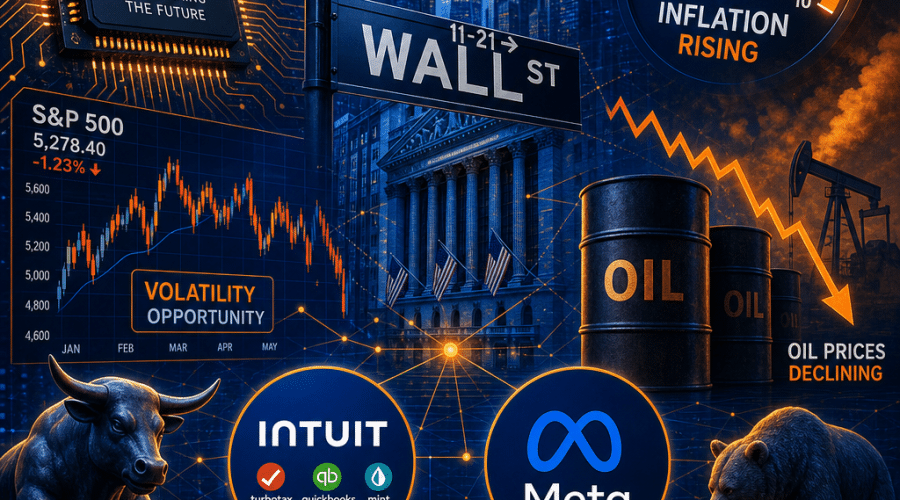
Equity markets kicked off the second half of 2026 on a high note, as both the S&P 500 and the Dow Jones Industrial Average notched gains on the first trading day of July. This performance builds on a period of robust momentum in the previous quarter, which was among the strongest witnessed since the 2020 rally that followed pandemic-driven sell-offs.
This renewed optimism comes despite a backdrop of economic uncertainties, including the Federal Reserve’s rate policy and the global geopolitical environment. Investors are displaying confidence in the long-term earnings potential of U.S. corporations, especially as the American economy shows continued signs of resilience.
Of particular note, the market’s recent strength has not been solely reliant on technology and semiconductor stocks. While chipmakers experienced moderate pressure during the session, gains in sectors such as industrials, healthcare, and consumer staples helped support the broader market’s upward trajectory.
Nike Stock Falls Despite Beating Earnings — China Remains a Hurdle
Nike’s latest quarterly earnings report generated significant attention. The company outpaced Wall Street’s earnings estimates; however, its shares fell sharply after executives pointed to persistent challenges in the Chinese market.
China remains a key growth engine for Nike, but ongoing sales headwinds in the world’s second-largest economy are proving difficult to overcome. Issues range from changing consumer preferences to macroeconomic slowdowns and increased competition from domestic brands.
Investors appeared more concerned with Nike’s forward guidance than its headline numbers. Company leadership hinted that a full turnaround in China sales would require more time, tempering market expectations for a swift rebound. This dynamic reflects a broader trend this earnings season, where future outlooks and strategic commentary are outweighing historical performance in terms of stock movement.
Nike’s experience offers valuable insight into global consumer sentiment, particularly as multinational corporations grapple with post-pandemic shifts and regional economic volatility.
Oil Prices Dip as U.S.-Iran Diplomacy Reduces Supply Disruption Risks
Crude oil markets experienced a pullback as ongoing diplomatic talks between the United States and Iran signaled easing tensions in the Middle East. The prospect of reduced supply interruptions contributed to a drop in oil prices, sending ripples through commodities markets.
Lower oil prices offer direct relief to companies and consumers alike, helping rein in inflationary pressures that have been stubbornly persistent over the past several quarters. Key sectors such as airlines, shipping, retail, and manufacturing stand to benefit from decreased energy input costs.


Meanwhile, global investors are keeping a close eye on further news from these negotiations, as any sign of escalation or breakdown could quickly reverse the direction of oil markets. With inflation and energy costs still a central economic concern, the interplay of geopolitics and commodities remains on the front burner for fund managers and policymakers.
Sector-by-Sector Performance: Winners and Losers to Start H2 2026
Although the broader market posted gains at the start of July, sector-specific dynamics added nuance to the market’s performance. Semiconductor companies, which have been standout winners in recent months due to AI-related demand, faced minor selloffs as investors looked to rotate capital into other areas.
By contrast, industrials and healthcare stocks provided ballast, benefiting from renewed infrastructure spending and ongoing advancements in medical technology and biotechnology. The consumer sector also proved resilient, with businesses ranging from major retailers to food producers reporting strong demand and constructive outlooks.
This sector rotation underscores a market increasingly driven by earnings quality, balance sheet strength, and visible paths to growth rather than pure momentum or speculative fervor.
Looking Forward: Key Data Releases and Risks to Watch
As the summer progresses, attention shifts to a series of upcoming economic data releases. The June jobs report is particularly anticipated, as it will provide critical insight into the health of the labor market—a key variable in both inflation and central bank policy.
Additionally, corporate earnings season looms on the horizon. As seen with Nike, future earnings projections and management commentary will likely serve as the main catalysts for stock moves, as markets seek clarity on how businesses are navigating persistent global challenges, including supply chain disruptions, consumer spending shifts, and evolving trade relationships.
Finally, global geopolitical developments—especially in regions with outsized influence over energy markets—remain key potential swing factors for both equities and commodities.
Investor Sentiment and Strategies: Navigating an Evolving Landscape
For investors, the shifting 2026 landscape demands adaptability. As old paradigms of low inflation and steady growth give way to a more complex mix of risks and opportunities, market participants are seeking exposure to companies with robust governance, adaptability, and leadership in transformative technologies.
Sectors such as artificial intelligence, cloud infrastructure, healthcare innovation, and sustainable energy continue to attract capital. At the same time, defensive stalwarts—consumer goods, utilities, and value-driven names—are seeing renewed interest as hedges against uncertainty.
Overall, the mood remains cautiously optimistic. While tail risks—be it renewed inflation, geopolitical flashpoints, or tech sector volatility—cannot be dismissed, strong corporate fundamentals and technological progress offer reasons for longer-term confidence.
Conclusion: A Complex, Opportunity-Rich Market in Mid-2026
Meta’s pivot into AI cloud infrastructure encapsulates the race for technological leadership in an era where computational power underpins economic growth. The Federal Reserve’s careful guidance signals a willingness to adapt policy as the inflation backdrop evolves, offering reassurance to risk markets.
Strong equity performance, challenges and opportunities in global brands like Nike, and the ever-present shadow of energy geopolitics highlight a market landscape both dynamic and demanding. As always, investors who succeed will be those who blend a keen awareness of macro trends with a sharp eye for innovation and operational excellence.
As the second half of 2026 unfolds, watch for continued developments in AI infrastructure, central bank signaling, corporate earning power, and global political currents to set the pace for global markets.