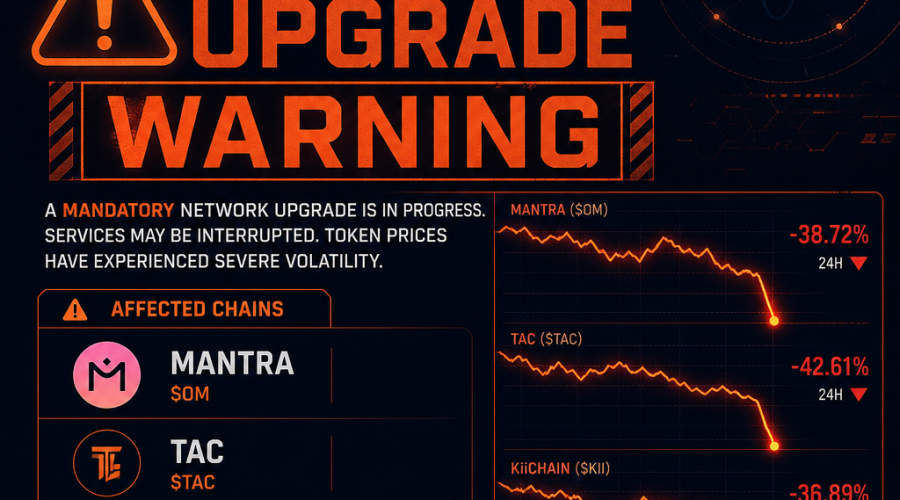
In the last 24 hours, the cryptocurrency market experienced a dramatic shakeup, with liquidations totaling approximately $3 billion and over 174,000 traders forcibly exited from their leveraged positions. This unprecedented event signals a powerful, market-wide deleveraging process, impacting almost every major digital asset and raising significant questions about the near-term future of crypto trading.
Understanding the $3 Billion Liquidation Wave
The crypto market is no stranger to volatility, but the recent $3 billion in forced liquidations stands out as one of the most significant risk-off events in recent months. Unlike isolated moves affecting a single token, this wave of liquidations swept across multiple exchanges and affected numerous cryptocurrencies, from leading coins like Bitcoin and Ethereum to smaller altcoins.
Liquidations occur when traders who have borrowed to increase their position sizes, known as trading on leverage, are unable to meet the margin requirements set by the exchanges. When market prices move rapidly against these leveraged positions, exchanges automatically close (liquidate) them to prevent further losses. If a large portion of the market is positioned similarly, a cascade of forced selling can occur. This process magnifies volatility, as each liquidation puts additional downward pressure on prices, potentially triggering even more forced sales in a rapid, domino-like effect.
The speed and breadth of this latest liquidation cascade suggest not just a typical market downturn but a complete washout of overextended risk. Over the span of just 24 hours, 174,350 traders lost their positions. This number highlights widespread participation, indicating that traders of all sizes and confidence levels were caught by surprise. It wasn’t just a handful of large accounts or professional traders—market participants across the board were affected.
Such large-scale deleveraging is an important signal. Historically, when leverage piles up in bullish markets, it can drive prices higher and increase volatility. When sentiment shifts—even slightly—the unwinding of this leverage can unleash powerful downward moves, far exceeding what would occur from organic spot selling alone. This latest event, with its rapid and sweeping liquidation wave, is a stark reminder of how interconnected and leverage-dependent the current crypto ecosystem has become.
The Mechanics of Crypto Liquidations
Understanding how liquidations work is critical to appreciating the dynamics that can turn a routine price dip into a market-wide rout. In crypto derivatives trading, traders can amplify their exposure using borrowed funds, often with multiples ranging from 2x to 100x of their initial margin. While this offers the potential for outsized gains, it comes with substantial risk: any move against a leveraged position can lead to liquidation if the value of the trader’s collateral falls below the required threshold.
Liquidations are enforced by the exchange’s risk management systems. As prices fall, traders with long positions (betting on price increases) are at risk. The forced closing of these positions results in market orders that can further depress prices, triggering new rounds of liquidations—thus creating a cascading effect. This self-reinforcing mechanism is distinct from regular trading, where sellers voluntarily exit their positions. With forced liquidations, the selling is mechanical and indifferent to broader market sentiment; it’s purely about preserving the exchange’s solvency against further losses.
An event of this scale, compressed into a short 24-hour window, is exceptional. For comparison, earlier in the year, a similar—but opposite—squeeze cleared over $2 billion in short liquidations as bullish moves forced bears out of their positions. Both scenarios underscore the double-edged nature of leverage in speculative markets.
Implications for Crypto Market Structure
Large liquidation events serve as a dramatic reset for market participants. After a significant flush of overextended leveraged positions, the market typically enters the following sessions with reduced open interest—meaning fewer active, high-risk trades remain on the books. This can result in shorter-term volatility as traders readjust tactics, reevaluate risks, and await stabilization in technical indicators like funding rates.
According to the latest data, this event did not target a single coin or a specific exchange. It was instead reflective of a widespread deleveraging, affecting every major trading venue and most leading cryptocurrencies. As a result, the total notional value of open positions in major crypto derivatives markets has declined sharply, often interpreted as a transition from a “crowded” market to a cleaner, more stable setup.
The clear-out of risky positions may provide room for a more sustainable price discovery process in the coming weeks. Yet, the full implications depend on how quickly leverage builds up again. If traders rush back into high-risk bets, the risk of another sharp correction returns. Conversely, if caution prevails and derivatives activity cools, the market could find firmer footing and reestablish an upward trajectory with greater stability.


Impact on Retail and Institutional Traders
The sheer number of traders impacted—over 174,000 in a single day—demonstrates just how democratized crypto speculation has become. Unlike in traditional markets, where institutional players dominate leverage and risk, crypto’s open structure means retail traders are heavily involved in margin trading. Many of these individuals may not have fully understood the risks inherent in leverage, especially in such a volatile asset class.
The aftermath of a major liquidation event often results in heightened risk aversion. Funding rates on perpetual swaps—a key metric for gauging trader sentiment—tend to normalize or even flip negative as participants become wary of taking on new leveraged positions. This increased caution, at least in the short term, can help dampen volatility and allow organic buyers and sellers to regain control over price movements.
Institutional players, meanwhile, may use such events as opportunities to accumulate long-term positions at discounted prices. By waiting for capitulation from overleveraged retail traders, professional investors can enter the market during periods of oversold conditions. This paradigm has established itself in several previous boom-and-bust cycles, where institutional inflows follow mass liquidations.
Challenges in Thin Markets
This recent liquidation wave comes at a time when crypto trading volumes have been at multi-year lows. Lower liquidity environments can exacerbate the impact of forced selling, as there are fewer buy orders to absorb the avalanche of liquidation-driven sells. When volumes are thin, prices are more susceptible to large swings, making sharp deleveraging events even more extreme in their effect.
With fewer active participants and smaller overall order books, even comparatively modest liquidations can trigger outsize market reactions. This effect reinforces the importance of liquidity in sustaining healthy market structures. Thin trading conditions, combined with high leverage, create an environment primed for volatility spikes—an issue that traders and exchanges alike must navigate carefully.
Looking Ahead: What Comes After the Shakeout?
As the dust settles from this $3 billion liquidation wave, attention is now turning to the next trading sessions. Two primary questions face market participants: Will leverage and derivatives activity remain subdued, allowing for consolidation and more organic growth? Or will speculative fervor return, setting the stage for another round of volatility?
Analysts will be watching key indicators closely, including:
- Open Interest: The total value of active contracts in crypto derivatives markets. Sustained declines indicate risk is being taken off the table.
- Funding Rates: Costs associated with holding leveraged positions. Extreme funding rates can highlight imbalances between bullish and bearish sentiment.
- Trading Volumes: The overall liquidity available in both spot and derivatives markets. Rising volumes can support stability, while persistently low levels pose risks of future volatility spikes.
- Market Sentiment: The mood of retail and institutional investors often shifts dramatically following liquidations. Social media trends, liquidity flows, and on-chain data offer clues to the recovery path.
While some traders may see the current correction as a buying opportunity, others could remain on the sidelines, waiting for further clarity. Past episodes suggest that the immediate aftermath of large-scale liquidations typically involves consolidation, with occasional periods of heightened short-term volatility as the market recalibrates.
Conclusion: Lessons From the Liquidation Event
The $3 billion liquidation event serves as a powerful reminder about the risks and opportunities inherent in leveraged crypto trading. While these mechanisms can generate massive gains in a bull market, they also facilitate rapid, far-reaching corrections when sentiment turns sour. For both new entrants and seasoned market participants, understanding the dynamics of leverage, liquidity, and market structure is essential for long-term success in digital asset trading.
The next few trading sessions will be critical in determining whether the market is prepared to move forward on a more stable foundation or whether the cycle of high leverage and violent liquidations will resume. As always, traders are advised to incorporate sound risk management and avoid taking on more leverage than they can afford to lose, especially in such dynamic and unpredictable conditions.