In recent years, prediction markets have evolved from a relatively obscure corner of finance to a growing phenomenon, capturing the attention of millions of users worldwide. As platforms like Kalshi and Polymarket continue to gain momentum, event forecasting — once thought to be a niche hobby — is quickly becoming a mainstream consumer activity. With robust trading volumes and innovative user experiences, prediction markets are poised to shape not only the future of betting and speculation but also the way people engage with news, sports, politics, and even economic developments.
Understanding Prediction Markets: How They Work
Prediction markets are fundamentally different from traditional betting platforms. The core idea is simple: users buy and sell contracts based on the likelihood of a specific event occurring. For example, a contract predicting the outcome of the next presidential election might trade at $0.75, suggesting the market gives it a 75% chance of happening. If the event occurs, the contract settles at $1; if not, it expires worthless. This trading process creates a dynamic and interactive marketplace that is constantly adjusting to new information and user behavior.
Unlike classic sportsbooks, where a bookmaker sets the odds and assumes the risk against bettors, prediction markets operate as open exchanges. Here, the odds — or contract prices — are determined purely by supply and demand among users. This decentralized structure empowers participants to act both as buyers and sellers, leading to a more transparent and efficient market. Furthermore, it encourages an active approach: market participants are incentivized to monitor prices and news, adjusting or exiting their positions in real time to minimize losses or secure profits.
The Unique Appeal of Prediction Markets
What sets prediction markets apart from other forms of speculation is not just the financial mechanics, but the deeply interactive user experience. Engaging in a prediction market on a live basketball game, for instance, allows users to make trades both before and during the match, with contract prices fluctuating as the game progresses. Each point scored, injury update, or shift in momentum can cause contract values to rise or fall, creating a short and exciting feedback loop that traditional betting often lacks.
This real-time interaction isn’t just about chance — it demands skill and insight. Successful traders analyze publicly available information, game statistics, expert commentary, and sometimes even insider tips to inform their decisions. The market rewards those who can synthesize vast amounts of data and anticipate the actions of others. This skill-based component blurs the line between pure gambling and informed speculation, offering a more sophisticated and engaging experience for users.
Moreover, prediction markets extend far beyond sports. Participants can speculate on a wide range of events: from the probability of the Federal Reserve raising interest rates at its next meeting, to the likelihood of a particular political candidate winning an election, or whether certain economic data will beat consensus forecasts. This broad scope opens up a variety of opportunities for engagement, learning, and profit.
Sports as a Gateway to Mass Adoption
The sports industry has historically been at the forefront of adopting technological innovations, and prediction markets are no exception. Features like live odds updating, in-app odds conversion, and automated customer support have become standard in betting apps, making them more accessible and user-friendly for a mainstream audience. Similarly, the acceptance of cryptocurrencies for deposits and withdrawals began in the gambling sector and has since become widespread.
Sports present a natural entry point for new users to explore prediction markets. Most people are already familiar with the dynamics of sports betting or fantasy leagues, making the leap to predictive contracts less intimidating. As users grow comfortable trading contracts related to their favorite teams or tournaments, they often begin experimenting with other prediction market categories, such as politics, entertainment, or economics. Over time, this could lead to a more diversified and engaged user base, driving the industry’s continued growth.
Data from recent sporting events reinforce this trend. During the 2026 FIFA World Cup, prediction market platform Kalshi reported a staggering $27 billion in trading volume, with up to three million active users engaged in forecasting outcomes. Such milestones demonstrate both the scalability and mass appeal of prediction markets, particularly when tied to globally recognized events.
The Power of Social Features and Gamification
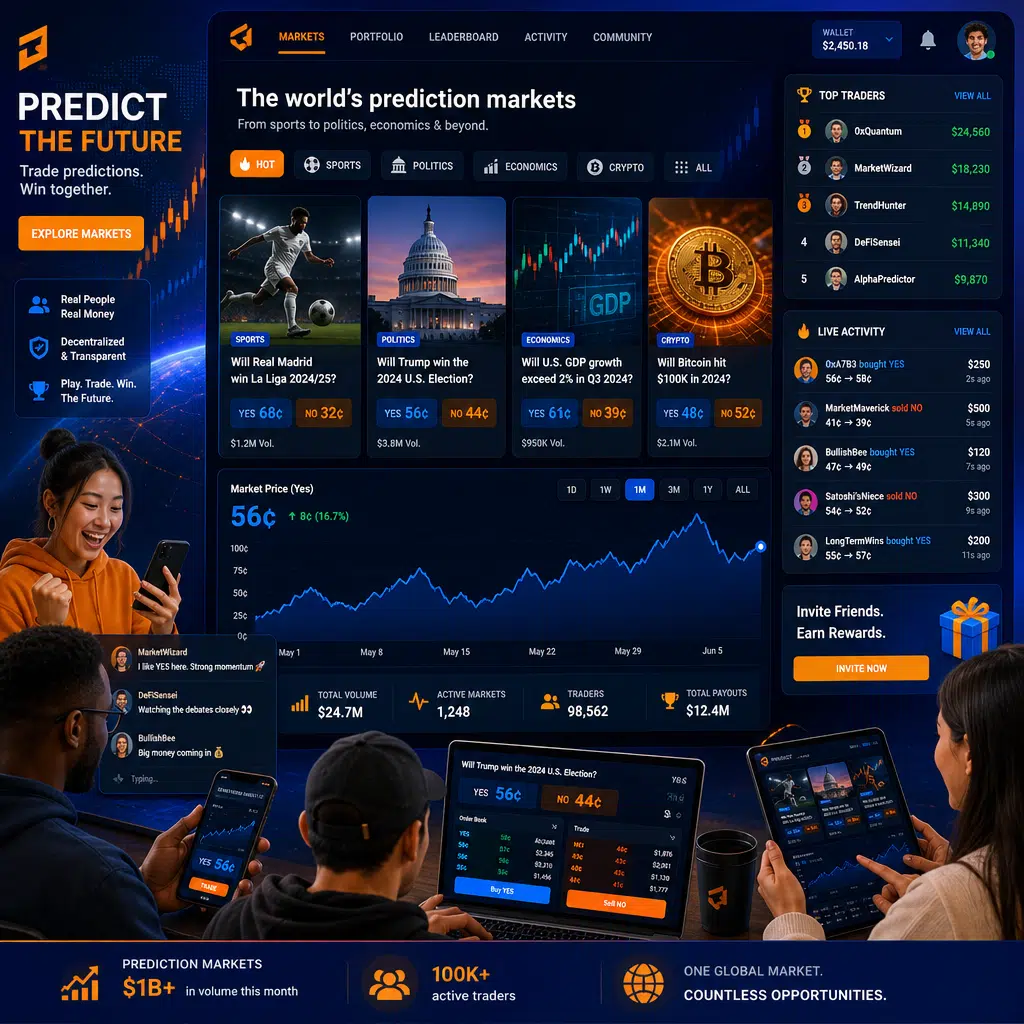
As prediction markets vie for a larger share of the entertainment and gaming industries, social features and gamification elements are becoming increasingly important. Platforms are beginning to incorporate leaderboards showcasing the top traders, public profiles displaying users’ predictions and performance, and friends-only competitions. These features foster a sense of community and healthy rivalry, encouraging users to improve their forecasting skills and compete for top spots.


Gamification mechanics, such as achievement badges, milestone rewards, and seasonal competitions, help drive user retention and engagement. They transform the prediction market experience from a solitary activity into a social, interactive game, appealing to a wider audience and increasing the platform’s stickiness. In many ways, users are not just trying to predict the outcome of an event — they’re attempting to outperform the crowd and establish themselves as expert forecasters.
Regulation: The Major Hurdle to Widespread Adoption
While the outlook for prediction markets is broadly positive, the regulatory landscape remains a significant challenge. As these platforms attract more users and handle larger volumes — often involving cryptocurrency — governments are taking a keener interest in oversight, aiming to protect consumers and uphold market integrity.
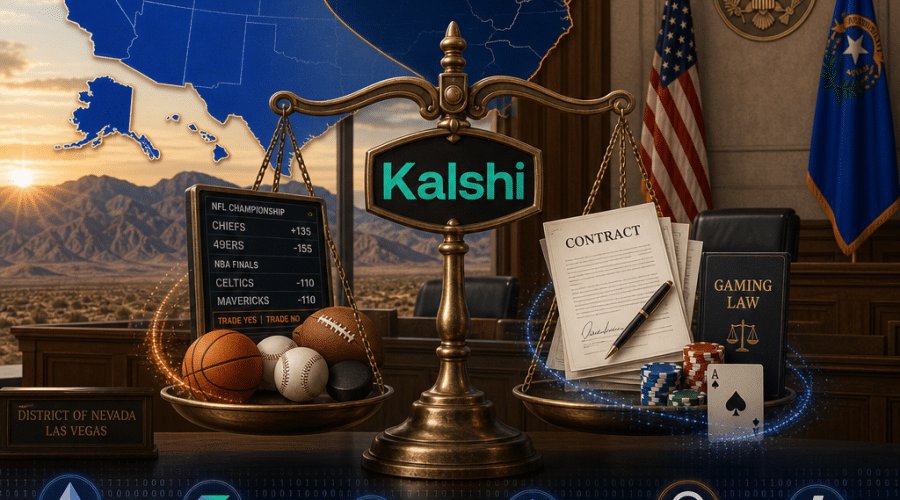
In the United States, prediction markets typically fall under the regulation of the Commodity Futures Trading Commission (CFTC), which treats many event contracts as derivatives. The CFTC has issued guidance and taken enforcement actions to ensure that platforms comply with federal laws intended to prevent manipulation and ensure fair play. The agency’s involvement brings both legitimacy and constraints: platforms must adhere to reporting, transparency, and anti-fraud requirements to operate legally.
Furthermore, the expansion of prediction markets into other areas such as finance, politics, and pop culture raises questions about data transparency and accuracy. Sports leagues and event organizers may face pressure to make their data more accessible and verifiable, ensuring that all market participants are trading on a level playing field. This balancing act between innovation, transparency, and consumer protection will shape the evolution of prediction markets in the coming years.
Prediction Markets: Gaming Revolution or New Betting Interface?
The rise of prediction markets signals a convergence between gaming, financial speculation, and traditional betting. The best platforms offer an appealing mix of uncertainty, competition, strategic decision-making, and real-time action, making them attractive to gamers and speculators alike. Whether prediction markets ultimately become recognized as a distinct form of gaming or are seen simply as “betting with a different interface” will depend on regulatory outcomes, user adoption, and continued innovation.
For many, sports will remain the initial bridge into these markets, but the long-term potential extends much further. Fully regulated and transparent prediction markets could allow users to speculate on everything from political outcomes to technological breakthroughs, weather events, and even entertainment awards. The result could be an entirely new genre of participatory gaming, one that leverages the power of collective intelligence, social competition, and market-based pricing to engage and inform millions of people around the world.
The Future of Prediction Markets
With robust growth, evolving products, and increasing regulatory clarity, prediction markets are well-positioned to disrupt both the gaming and financial industries. Platforms that succeed in blending skill-based competition, real-time engagement, and social features will likely lead the next wave of innovation. As the general public grows more comfortable with predictive trading, and as governments establish clear rules, the boundaries between gambling, investing, and gaming will continue to blur.
Ultimately, prediction markets may not just be a new form of betting or a curious financial tool — they could become a crucial infrastructure for aggregating public sentiment, forecasting societal events, and empowering individuals to participate more directly in global conversations. As this landscape continues to evolve, observers and participants alike would do well to watch closely — and perhaps place a few thoughtful predictions of their own.