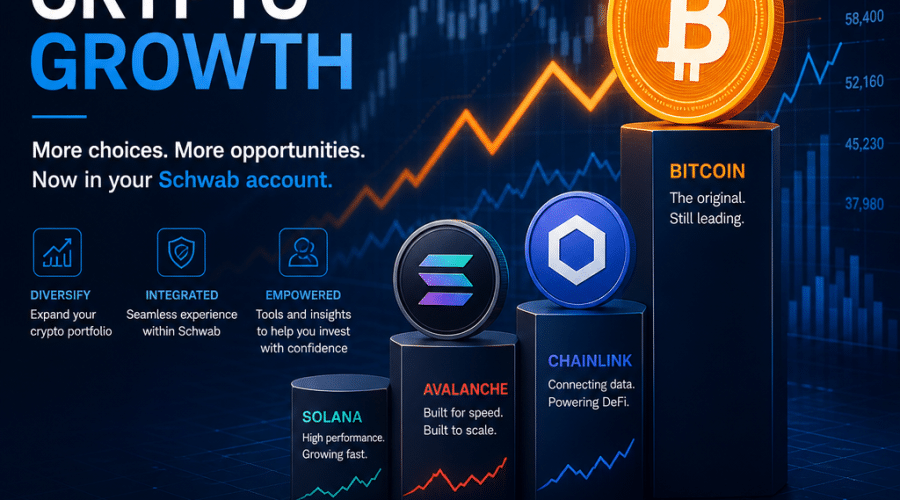
As we pass through mid-2025, the crypto and DeFi (Decentralised Finance) landscape has made significant inroads into becoming a mainstream financial entity. Once regarded as an obscure and risky sector criticised for its unpredictability, digital currencies and DeFi have now become standard mechanisms in the financial structure. Their acceptance has been buoyed by positive policy changes, like the Genius Act, which have enhanced regulatory clarity and boosted confidence. Added to this, the growing consensus for accepting digital currencies as a valid payment method opens up exciting prospects for the future of these technologies.
Key Trends Shaping Decentralised Finance and Technologies
Here are five major trends I believe will shape the future of DeFi and related technologies within the next 12 to 18 months:
Continued Bullish Momentum of Cryptocurrency Market
The cryptocurrency market is predicted to maintain its bullish trend into the second half of 2025. Bitcoin (BTC), in particular, is expected to exceed $200,000 by the end of the year and reach $300,000 in 2026. Robust institutional inflows into Bitcoin ETFs, the aftershocks of the recent halving on supply dynamics, and boosted global adoption are the primary catalysts for this surge. The existing demand outstrips supply by roughly five times, indicating that Bitcoin is likely to experience a steady bull run, reflecting the upward trajectory of the US stock market in the past one and a half-decade.
Increasing Bitcoin Adoption Among Companies
Approximately 200 public and private companies are expected to include Bitcoin in their balance sheets by 2026, marking a significant leap from the 124 reported in June 2025. Favourable regulatory changes, appreciating value of Bitcoin, and growing corporate confidence have led this growth. Treasury-based firms, comparable to MicroStrategy, will account for an additional 10-15 adopters by the year-end, signalling a robust institutional momentum and widespread acceptance of Bitcoin as a safe corporate asset.
Increased Penetration of Cryptocurrency Among U.S. Adults
As of 2025, digital currencies have penetrated 28% of U.S. adults, mostly for speculative or investment purposes. The adoption is forecasted to increase to 60% by 2026, primarily facilitated by stablecoins that drive everyday payment technologies. The integration of these stablecoins and related applications into day-to-day transactions will attract the average American, boosting nationwide acceptance of digital currencies.


Booming DeFi Sector
The DeFi sector is set to double its total value locked (TVL) to $250 billion by next year. This growth will be catalyzed by advancements in Bitcoin-based yield strategies, tokenization of real-world assets (RWAs), and introduction of new yield products. Tokenized real estate and offerings from regulated institutions will funnel fresh capital into the blockchain, effectively doubling the TVL.
Transition to ZK-TLS
The internet has relied on Transport Layer Security (TLS) protocols for decades, but a shift towards Zero-Knowledge Transport Layer Security (ZK-TLS) is looming, aimed at better protecting individual data and privacy. This transition will redefine digital identity as large data corporations will no longer be able to hold unconsented information.
In conclusion, as regulatory clarity improves and integration with traditional systems deepens, crypto and DeFi are stepping out from the shadows. We can anticipate wider adoption of digital assets and revolutions in how we envisage ownership and identity. These innovations are more than just changes in perception; they promise to unveil new economic prospects and eliminate friction in digital silos.