US Democratic Senators Demand Accountability in Binance Sanctions Probe
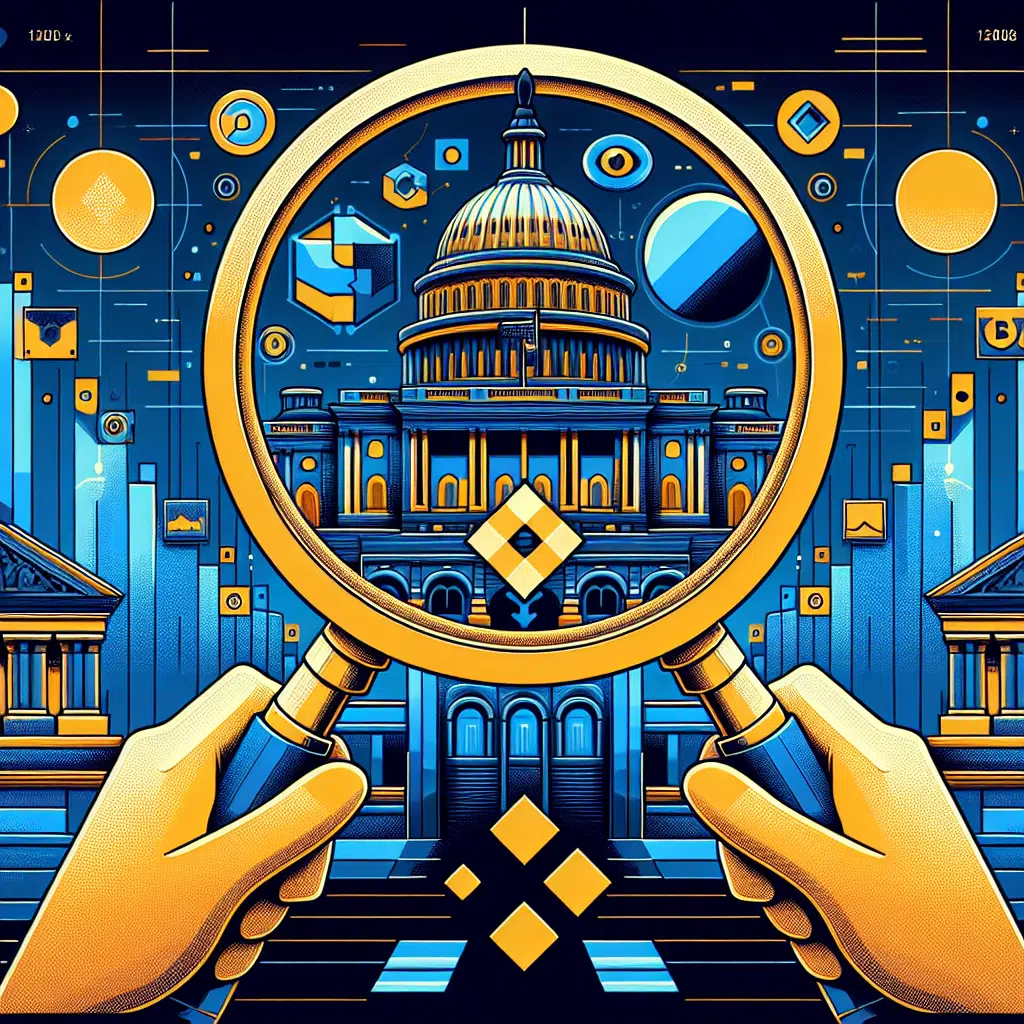
The world of cryptocurrency continues to make headlines, especially as it increasingly intersects with regulatory challenges, international law, and geopolitical tensions. Most recently, Binance, the world’s largest cryptocurrency exchange by trading volume, has come under intense scrutiny amid allegations of facilitating transactions that could have violated US sanctions against Iran. The investigation, reportedly being considered by the US Department of Justice (DOJ), gained additional momentum as prominent Democratic senators have called for rigorous oversight and enforcement. This development sets the stage for a high-stakes legal and political battle that could have far-reaching consequences for the global crypto industry.
The Allegations: Binance and Iran-Related Sanctions
Binance has built its reputation as a dominant platform for trading cryptocurrencies, catering to millions of users worldwide. However, as its operations have expanded, so too has the attention of regulators. In early March 2026, new reports emerged from major US news outlets, suggesting that the DOJ is actively considering an investigation into Binance. At issue is whether the exchange enabled Iranian users to conduct transactions intended to skirt US-imposed sanctions.
These allegations come amidst escalating tensions between the US and Iran, making any suspected breach of sanctions a particularly sensitive topic. The Wall Street Journal detailed how Iranian entities may have used Binance’s platform to circumvent restrictions, raising questions about the company’s compliance protocols and its capacity to police illicit activities on its global network.
Senators Demand DOJ Scrutiny
The potential investigation into Binance has prompted action from senior US lawmakers. Senators Chris Van Hollen, Elizabeth Warren, and Ruben Gallego released a joint public statement addressing the issue. In their statement, the senators emphasized their determination to ensure that the DOJ conducts a thorough and serious probe. They underscored the need for accountability, transparency, and enforcement of US sanctions to maintain the integrity of the law and safeguard national security interests.
“No entity—regardless of its size or influence—should be above the law,” the senators declared, highlighting a growing political consensus that cryptocurrency exchanges must strictly adhere to anti-money-laundering (AML) and know-your-customer (KYC) regulations. For Binance and other exchanges operating in the US and globally, the message is clear: compliance is not optional, and alleged violations of US law will be pursued vigorously.
Crypto Exchanges and Regulatory Oversight
This latest episode is far from the first time Binance has found itself in regulatory crosshairs. Over the years, the exchange has faced multiple investigations from various jurisdictions, including Europe, Asia, and the United States. Critics often point to the decentralized and borderless nature of crypto trading as both an asset and a liability—while users enjoy greater freedom, these platforms can potentially offer shelter to bad actors aiming to bypass legal controls.
Transactions with sanctioned jurisdictions such as Iran are especially problematic, given the international stakes involved. The US, through the Office of Foreign Assets Control (OFAC), maintains stringent sanctions regimes and enforces hefty penalties for violations. As one of the premier exchanges, Binance’s operational procedures are under scrutiny not only by the DOJ but also by financial watchdogs around the globe.
The Stakes for Binance and the Crypto Industry
The ramifications of a DOJ lawsuit or enforcement action against Binance would be profound. First, it would set a precedent for how US authorities treat alleged sanctions violations by cryptocurrency firms. Second, the case could influence how exchanges worldwide approach compliance, forcing them to strengthen their monitoring systems and reporting obligations to avoid similar pitfalls.
For Binance itself, a negative outcome could mean steep fines, restrictions on operations, heightened regulatory oversight, and reputational damage in a fiercely competitive sector. The exchange’s leadership has repeatedly asserted its commitment to legal compliance, yet the complexity and scale of its operations mean that even small lapses can quickly escalate into major controversies.
Industry Responses and Calls for Greater Clarity
The crypto sector has responded to these developments with a mix of concern, anticipation, and calls for greater regulatory clarity. Many industry leaders point out that the absence of standardized international regulations can create enormous headaches for platforms like Binance, which must juggle multiple—and sometimes conflicting—legal systems.
Navigating the evolving regulatory landscape requires continuous investment in compliance, robust internal controls, and effective cooperation with global authorities. Failure to do so not only risks legal consequences but also undermines trust in cryptocurrency as a whole, stymieing the industry’s push for mainstream acceptance and institutional adoption.


Senators’ Broader War on Crypto Violations
The interest of US lawmakers in Binance’s operations is part of a broader trend. Over the past several years, congressional pressure on cryptocurrency exchanges and service providers has intensified. Senators Warren, Van Hollen, and Gallego have been particularly outspoken, frequently pushing for new rules and enhanced oversight to curb what they see as rampant abuse and lax controls in the fast-growing digital assets sector.
These lawmakers advocate for more systematic enforcement of existing sanctions, AML protocols, and international financial regulations. To critics, this approach risks stifling innovation and driving companies offshore, but proponents argue that establishing order and security is essential for the long-term viability of the crypto market.
Global Context: Crypto, Sanctions, and Geopolitics
The Binance probe does not exist in a vacuum. Around the world, governments are grappling with the dual challenges of fostering innovation and safeguarding economic and political interests. The potential for cryptocurrencies to be used in evading sanctions looms especially large in high-stakes conflict zones and in countries under heavy restrictions, like Iran, North Korea, and Russia.
International cooperation is thus increasingly critical. As US authorities pursue enforcement against major exchanges, other governments may follow suit, either through direct action or via global regulatory bodies. Such moves could result in a more fragmented crypto market, with localized rules and restricted cross-border flows—an unwelcome scenario for many blockchain advocates.
Implications for Crypto Investors and Users
For everyday cryptocurrency investors and traders, these disputes have practical consequences. Uncertainty over legal risks, potential exchange shutdowns, or asset freezes can create volatility in markets and complicate trading decisions. Investors must factor in not just technical and price risks, but also regulatory, jurisdictional, and operational risks when deciding where and how to trade.
The Binance probe—and the political momentum behind it—serves as a clear warning that the days of unregulated “Wild West” crypto trading may be numbered, especially as digital assets become more mainstream and intersect with traditional financial systems.
The Way Forward: Compliance, Innovation, and Adaptation
In the short term, Binance’s leadership and legal team are likely to prioritize cooperation with US authorities and demonstrate good-faith efforts to address any shortcomings. Whether those efforts will be enough to stave off severe penalties or restrictions remains to be seen.
Over the longer term, one thing is clear: the relationship between cryptocurrency exchanges and regulators will be a defining feature of the industry’s evolution. Exchanges must balance user privacy and accessibility with robust checks, transparent reporting, and international cooperation. This balance will be key in maintaining both customer trust and regulatory approval.
Conclusion: A Defining Moment for Crypto Regulation
The proposed DOJ investigation into Binance’s Iran-related activities reflects a crucial turning point in the global regulation of cryptocurrencies. It highlights growing political demands for greater scrutiny, stricter enforcement, and increased accountability in the space. The actions of US lawmakers, alongside the potential DOJ response, could serve as a bellwether for future enforcement efforts worldwide.
For Binance, its users, and the broader crypto community, much is at stake—including the shape of future regulations, the viability of global crypto trading platforms, and the very reputation of digital currencies as a part of the international financial system. In this rapidly changing environment, all eyes are now on the outcome of the investigation and the precedent it may set for the industry’s future.