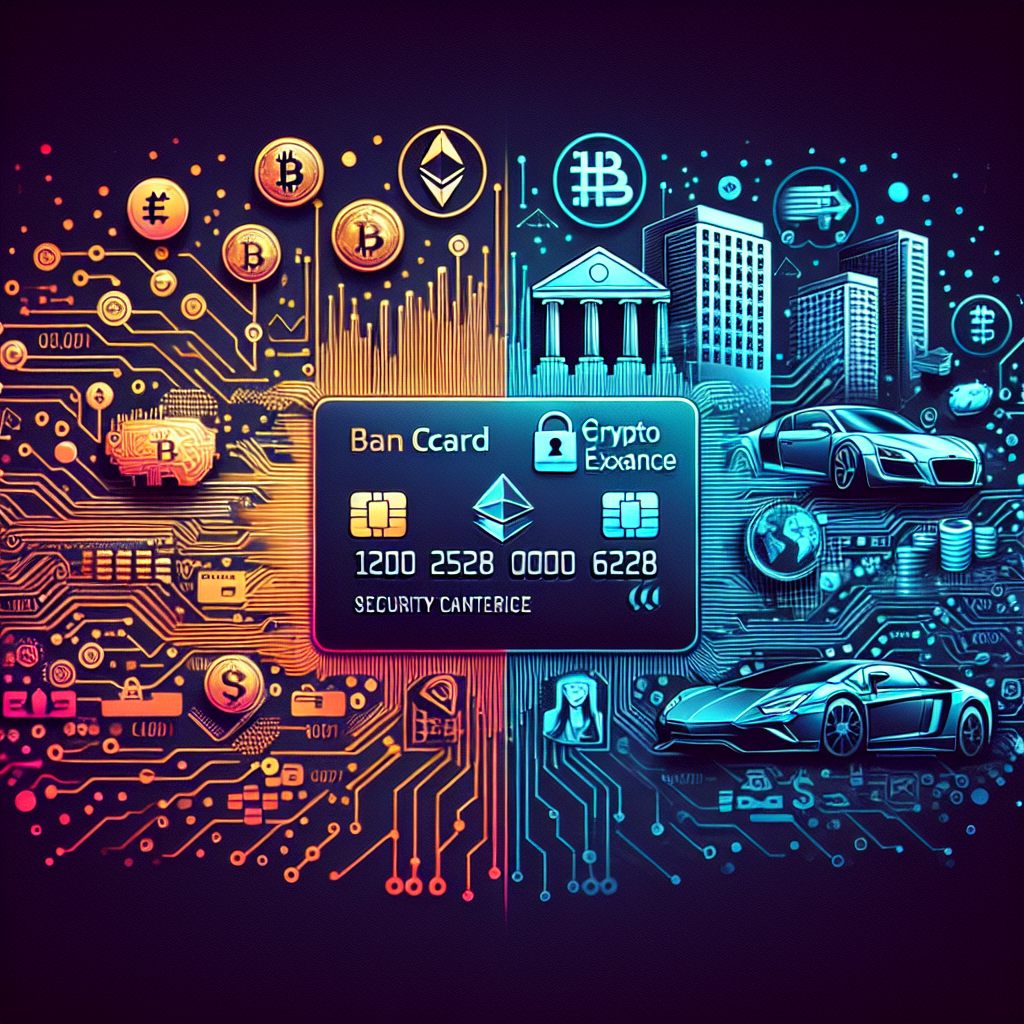
Bybit, one of the world’s leading cryptocurrency exchanges, has announced its ambitious entry into the neobank sector. This signal move highlights a growing trend where major crypto exchanges are rapidly evolving beyond the traditional confines of digital asset trading, launching financial products and services typically associated with conventional banks. This shift isn’t just a statement about diversification; it represents a pivotal moment for the future of crypto, as exchanges like Bybit position themselves at the nexus of digital and traditional finance.
The Convergence of Crypto Exchanges and Traditional Banking
The launch of Bybit’s neobank is more than an expansion—it’s a reflection of the blurring lines between decentralized finance (DeFi) and conventional finance (TradFi). This step showcases the intent of key players to unlock new opportunities, serving an evolving user base that demands seamless access to both crypto and traditional financial services. The potential is vast: frictionless fiat-crypto conversions, integrated asset management, and the confidence of regulatory oversight, all under a unified platform.
This convergence has implications for the entire ecosystem. For innovative projects, there is now a powerful incentive to demonstrate real, working products instead of relying purely on speculative hype. Neobanks from exchanges will demand enterprise-level security, regulatory compliance, and scalable infrastructure to meet mainstream expectations. This evolution creates a fertile environment for projects that address critical needs—particularly in user protection and multi-chain scalability.
AI Analytics and Blockchain Ecosystem: Competing Pillars of Next-Gen Finance
The debate between investing in artificial intelligence analytics versus blockchain scaling solutions is intensifying in light of Bybit’s announcement. Central to this is which category—AI security or blockchain infrastructure—will best capture sustained institutional capital as exchanges morph into banks and face stricter scrutiny.
AI security solutions are increasingly valuable as exchanges adapt to mainstream finance. With growing transaction volumes and evolving scams, the need for sophisticated monitoring and countermeasures has never been greater. At the same time, blockchain projects focused on Layer 2 scaling are racing to handle surges in transaction demand, aiming to make decentralized ecosystems as efficient as possible for a global user base. But established solutions already dominate this crowded space, setting a formidable barrier for new entrants.
The Regulatory Imperative: Raising Security Standards for All
Once crypto exchanges step into banking territory, the regulatory landscape changes drastically. User protection must match or exceed that found in traditional finance. This shift draws regulatory bodies’ attention, creating new standards for transparency, KYC (know-your-customer), AML (anti-money laundering), and real-time fraud detection.
Institutional capital will naturally favor projects that already deliver operational solutions to these regulatory challenges. AI-powered systems that monitor transactions, identify threats, and flag suspicious behavior in real time become must-haves rather than optional features. As Bybit and similar platforms seek to reassure customers and regulators alike, capital is poised to flow rapidly into the most robust security infrastructures available.
DeepSnitch AI vs. Bitcoin Hyper: A Comparative Analysis
DeepSnitch AI (DSNT): Real-Time Security for Exchange-Banking Integration
DeepSnitch AI has emerged as a critical player in this rapidly shifting environment. As exchanges pivot towards offering regulated banking services, the demand for comprehensive, AI-enhanced security is unprecedented. DeepSnitch AI directly addresses this need with four operational AI agents:
- AuditSnitch: Instantly scans smart contracts for vulnerabilities, including those pertinent to potential rug pulls or malicious exploits.
- SnitchScan: Monitors whale wallet movements across major blockchains—including Ethereum, Binance Smart Chain, and Solana—detecting possible market manipulation or insider activity.
- SnitchFeed: Delivers real-time crypto news, helping market participants stay ahead of rapidly evolving developments.
- SnitchGPT: Provides actionable insights, using natural language models to sift through vast blockchain data and respond to trading queries.
These live security tools are not just theoretical; they are actively used to protect traders now. DeepSnitch AI’s presale success—having surpassed $1.3 million with robust audit credentials—demonstrates both institutional and retail appetite for solutions that deliver immediate value. In a world where exchanges are transitioning into banks, having top-tier, live security infrastructure sets DeepSnitch AI apart from the majority of its competitors.
Bitcoin Hyper (HYPER): Layer 2 Scaling in an Intensely Competitive Landscape
Bitcoin Hyper is focused on solving a different, albeit equally crucial, challenge: scalability. By using the Solana Virtual Machine, Bitcoin Hyper functions as a Layer 2 solution for the Bitcoin ecosystem, significantly increasing transaction throughput and reducing fees. The project encourages developers to create DeFi applications within the Bitcoin infrastructure and claims to offer staking yields of up to 49% APY—though these rates decrease as more participants join.
With over $31 million already raised and coveted blockchain audits in place, Bitcoin Hyper is a serious contender. However, the hurdles are substantial. The Bitcoin Layer 2 space is saturated with established players such as the Lightning Network and Stacks. Competing in this environment demands not only technical prowess but also significant adoption to break through the dominance of existing solutions. As such, Bitcoin Hyper’s journey, while promising, may require additional differentiation or partnerships to secure a lasting foothold.
RWA Tokenization: Dreamcars (DCARS) Bridging Crypto and Tangible Assets
One of the most intriguing trends in decentralized finance is the tokenization of real-world assets (RWAs). Projects like Dreamcars are leading the charge by bringing a slice of the physical world onto the blockchain. Dreamcars enables users to own fractions of high-end rental vehicles, such as Lamborghinis, Ferraris, and Rolls-Royces, through NFTs. NFT holders receive a share of rental income generated from luxury car markets in cities like Dubai and Miami.


Notably, Dreamcars’ presale is almost fully funded, reflecting strong demand for projects that offer tangible value irrespective of broader crypto market volatility. Tokenizing luxury goods and distributing real-world revenue to digital asset holders aligns with growing regulator acceptance and public interest. As exchanges like Bybit bring legitimacy to blockchain-backed finance, RWA projects may become a mainstay for diversified crypto portfolios.
Institutional Capital and the Future of Crypto Finance
The transition of major exchanges into the neobank sphere has a compounding effect on which projects attract sustainable investment. The current environment clearly favors platforms and protocols with operational products, clear regulatory pathways, and the capacity to bridge the unique challenges of the crypto and traditional sectors.
AI security platforms like DeepSnitch AI are particularly well-placed to thrive, as exchanges require proven solutions to address complex compliance and fraud prevention scenarios on a continuous basis. Their emphasis on real-time threat detection sets them apart from projects that promise future utility but aren’t yet integrated into critical exchange infrastructure.
Meanwhile, while scaling infrastructure such as Bitcoin Hyper is essential, the battle for dominance is fierce and well-populated. New market entrants in the Layer 2 space must deliver substantial advantages—either in throughput, cost, user experience, or interoperability—to wrest meaningful market share from incumbents.
What Does Bybit’s Move Mean for Investors and Developers?
For investors, Bybit’s foray into neobanking is a clarion call to look beyond speculative tokens and towards platforms with genuine utility and defensible market positions. Early participation in operational projects may offer enhanced upside, especially where presales come with significant bonuses or staking opportunities. DeepSnitch AI illustrates this dynamic, capitalizing on exchange demand for live, regulatory-compliant security solutions.
For developers and entrepreneurs, the writing is on the wall: infrastructure and user-facing applications will need to meet the dual standards of crypto innovation and regulatory rigor. Integration with mainstream banking features—such as fiat rails, lending products, and cross-chain services—requires both technological agility and unwavering commitment to security.
Frequently Asked Questions
What differentiates DeepSnitch AI from Bitcoin Hyper?
DeepSnitch AI is focused on real-time, operational security for centralized and decentralized exchanges, leveraging AI to protect funds and ensure compliance. It presently offers four active AI agents tailored to the most pressing needs of modern exchanges. In contrast, Bitcoin Hyper targets blockchain scalability, providing transactional throughput but contending with a crowded space of established Layer 2 solutions.
Why are AI analytics platforms favored in the current climate?
As crypto trading platforms morph into regulated neobanks, security becomes an existential priority. AI analytics tools, like DeepSnitch AI, offer proactive defenses against fraud, compliance risks, and market manipulation, which are critical to earning and sustaining the trust of both users and regulators. Infrastructure plays, while important, can take years to achieve network effects in saturated fields.
How does Dreamcars fit into the evolution of crypto finance?
Dreamcars exemplifies the tokenization of real-world assets—one of the most exciting developments in DeFi. By distributing tangible, income-producing asset ownership to digital investors, it demonstrates how blockchain can underpin entirely new forms of value transfer, attracting a broader spectrum of users and bringing mainstream relevance to crypto solutions.
Conclusion
Bybit’s launch of a neobank is a watershed moment, encapsulating the broader transformation underway in global finance. As exchanges step into banking’s regulated domain, the need for sophisticated, real-time security solutions is paramount—a gap that AI projects like DeepSnitch AI are poised to fill. While blockchain infrastructure and Layer 2 scaling remain vital, the key to sustained growth lies with solutions already delivering value in a highly competitive, compliance-driven environment.
Asset tokenization, exemplified by Dreamcars, presents further proof that the intersection of digital and traditional finance is only just beginning to reveal its true potential. For investors, developers, and institutions alike, the future looks increasingly integrated, innovative, and secure.