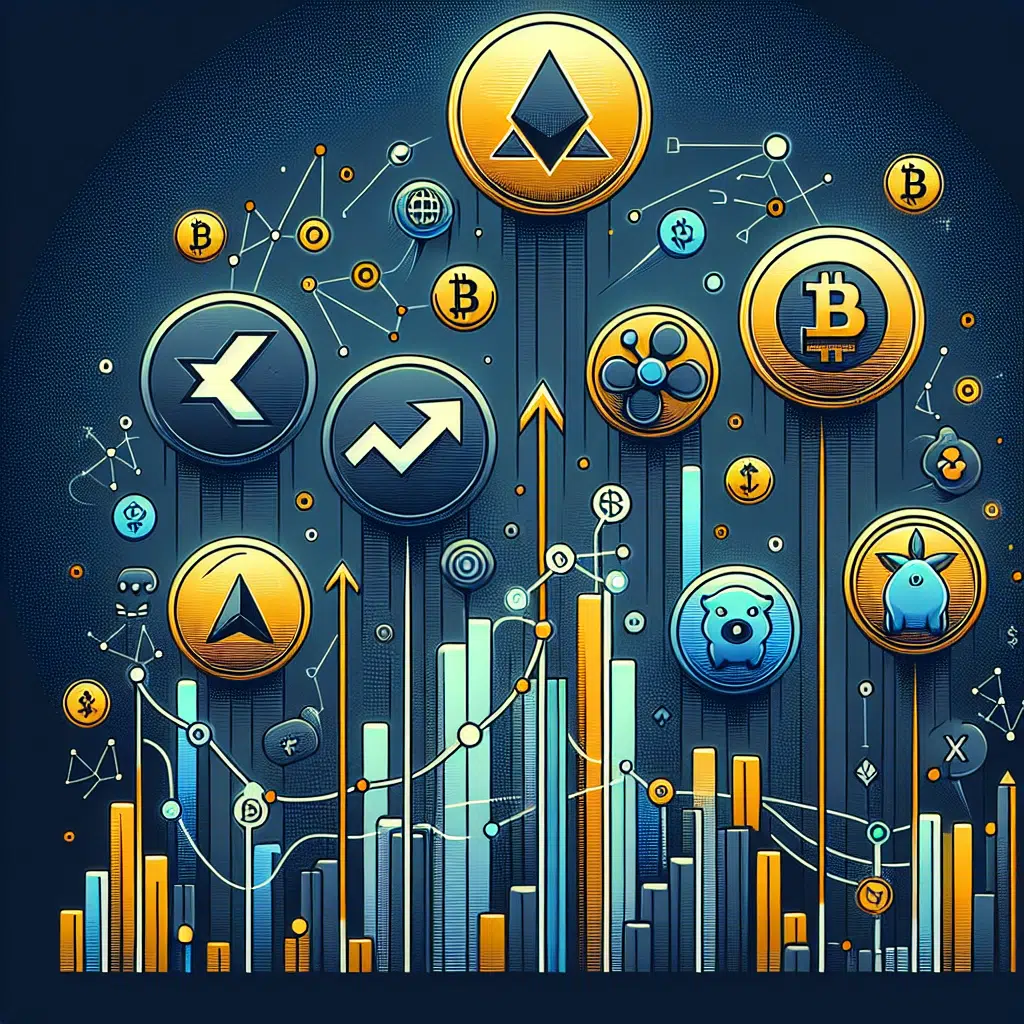
The cryptocurrency market is entering a significant transition phase heading into 2026. While retail participation and price volatility appear subdued, important on-chain activity is gaining momentum beneath the surface. This lull, often dismissed as a “dead phase,” may actually be laying the critical groundwork for the next major altcoin season. Historically, such periods of low attention signal the preparatory buildup by large investors—commonly known as whales—who quietly accumulate positions before the eventual surge in prices and attention.
As current market conditions reflect compressed volumes and fading retail enthusiasm, whales have steadily increased their holdings in select mid- and large-cap altcoins. Data indicates these accumulation patterns typically precede—not follow—major altcoin rotations. At present, Bitcoin dominance remains above 58%, revealing that most crypto capital is still concentrated in BTC and has yet to rotate into altcoins. When this shift occurs, it is the assets accumulated early by whales during the “quiet” phase that often outperform.
Understanding Whale Accumulation and Market Dynamics
Whale accumulation refers to the systematic buying of tokens by entities with significant capital—be it institutions, funds, or individual investors managing large portfolios. Blockchain analytics tools allow observers to track wallet activity, flagging rising accumulation phases even if market sentiment remains bearish to neutral. Over the years, altcoin market cycles have demonstrated that these stealth build-ups create supply imbalances—prices remain stable while token availability on exchanges quietly dwindles, setting the stage for sharp rallies once demand returns.
Several core factors are currently converging to favor such a scenario:
- Institutional recognition and improved regulatory clarity for altcoins are enabling new avenues of capital flow.
- Technical advances and upcoming network upgrades are enhancing both utility and user appeal.
- Holidays and low-visibility periods are providing the optimal environment for accumulation, as institutional players typically prefer to act when market attention is least focused.
All this points to a setup where, beneath a deceptively quiet surface, foundational shifts are underway. A closer look at five altcoins currently experiencing outsized whale activity highlights the potential leaders of the next altseason.
XRP – Institutional Infrastructure and Whale Conviction
XRP stands out for its renewed surge in whale transaction volumes over recent weeks. Millions of XRP tokens have changed hands, with substantial amounts withdrawn from global exchanges. Notably, over $11 billion worth of XRP was recently moved out of Binance, greatly thinning the supply available on order books and amplifying the potential impact of any revived demand.
Beyond trading stats, Ripple, the company behind XRP, has been steadily enhancing its enterprise offerings. Recent rollouts include robust treasury tools for businesses, enabling seamless integration of both native XRP and stablecoins. Additionally, the XRP Ledger is on the cusp of launching its own lending protocol tailored for institutional credit markets—a development that could spark fresh adoption and use-cases.
The structural improvements in XRP’s ecosystem, combined with the ongoing accumulation by well-capitalized investors, signal growing confidence in its long-term institutional utility. If the market enters its next risk-on phase, XRP’s increasingly scarce liquidity could result in accelerated price movements.
Aptos (APT) – A Layer-1 Network at an Inflection Point
Aptos, a prominent layer-1 blockchain, is charting a notable reversal in momentum. Technical data shows the cryptocurrency forming higher lows—a classic sign of accumulation supplanting prior aggressive selling. The underlying driver? Regulatory developments in March 2026 saw Aptos officially classified as a digital commodity by both the SEC and CFTC, granting a degree of certainty that had previously deterred institutional funds.
Institutional confidence is already visible: BlackRock’s BUIDL fund has invested over $500 million on the Aptos blockchain. Meanwhile, a significant reduction in new token supply hitting the market is expected by autumn 2026, with token unlocks set to decrease by about 60%. This removal of persistent sell pressure is likely to free the asset from previous recovery ceilings, supporting a more sustainable upward trajectory if demand rises.
With its next chapter marked by both a regulatory green light and improving tokenomics, Aptos is poised for outsized returns should whale accumulation translate into a cascade of retail inflows amid an altseason rally.
Pi Network (PI) – Community Scale Meets Imminent Utility
Pi Network has rapidly built one of the largest user bases in crypto through its mobile-mining approach. This grassroots adoption has led to a global community that numbers in the millions. With the mainnet transition now underway, attention has shifted toward on-chain whale behavior—and the signs are remarkable. A single address recently accumulated approximately 350 million PI tokens, valued at over $130 million, instantly becoming one of the project’s largest stakeholders.

The real catalyst, however, lies ahead. Over the next year, Pi Network will undergo a series of technical upgrades, culminating in a May release that will introduce smart contract capabilities and a native decentralized exchange to the ecosystem. This high-stakes upgrade transforms Pi from a mere speculative asset to one that can underpin various decentralized applications and services.
The large-scale, pre-upgrade accumulation observed on-chain suggests that influential investors are positioning for a major expansion in both network utility and token value once these upgrades come online.
Fartcoin (FARTCOIN) – Memecoin Mania with Institutional Presence
Fartcoin occupies a unique niche within the current cycle, being a Solana-based memecoin that has unexpectedly caught the eye of both everyday traders and sophisticated “smart money” investors. Traditionally, memecoins attract speculative retail interest, but tracking platforms have flagged Fartcoin as a top pick among large wallet addresses during recent buy phases.
Previous crypto cycles have demonstrated that memecoins can deliver some of the highest returns during altseasons, even if their fundamental value remains debatable. What makes Fartcoin noteworthy in this cycle is the statistical confirmation of unusual whale activity—trendsetting investors accumulating heavily during phases of low retail engagement. This pattern suggests that, despite the irreverent branding, a strategic accumulation is underway, potentially setting the stage for an explosive move as retail traders re-enter the market.
Floki (FLOKI) – From Memecoin to Multifaceted Utility Platform
Originally launched as a dog-themed memecoin, Floki has undergone a radical transformation into a broader utility project. The team behind Floki has steadily rolled out real-world applications: a gaming metaverse, decentralized finance (DeFi) tools, and a comprehensive token-powered payment ecosystem. This shift has brought Floki institutional attention and put it on analysts’ radars for its unique blend of meme-driven appeal and genuine functionality.
On-chain analytics have noted a staggering 950% increase in high-value FLOKI transactions within a single week in early 2026—a period marked by static price action and waning retail excitement. Such a dramatic spike in large deals traditionally signals the preparatory positioning of whales ahead of anticipated price breakouts, making Floki a prime candidate to benefit from any shift in market sentiment toward altcoins with actual use cases.
The Outlook for Altcoin Season in 2026
All indicators converge on a single theme: the current phase of subdued attention and low volumes is the breeding ground for the next major crypto rally. While most traders are sitting on the sidelines, whales are capitalizing on compressed prices, reduced volatility, and a lack of competition. With critical regulatory, technical, and macroeconomic pieces falling into place, the market could soon witness a shift as capital rotates from Bitcoin dominance into altcoins.
The five projects outlined above exemplify the structural strengths and on-chain signals that have historically defined the best-performing altcoins of prior cycles. Whether through regulatory clarity (Aptos), community scale (Pi Network), institutional infrastructure (XRP), meme momentum (Fartcoin), or real-world utility (Floki), each is showing evidence of preemptive accumulation by major players betting on the eventual return of retail enthusiasm and mainstream capital flows.
This period of “dead” market action is, in reality, the quiet before the storm—a time when savvy investors quietly load up on assets destined for outsized moves. As 2026 progresses and macro and regulatory conditions evolve, those who ignored these signals may find themselves caught off-guard by the speed and scale of the next altcoin rotation.
In summary, the crypto market’s history warns against mistaking silence for stasis. Altcoin season is built during the periods when no one is watching. Today’s low-profile accumulation may become tomorrow’s fastest-growing market trend as the next wave of adoption and innovation hits the digital asset space.