Cryptocurrency Guides
August 15, 2025
The Great API Purge by 2027: Building a Resilient Future for AI Startups on Decentralized Infrastructure



Latest posts by James Carter
-


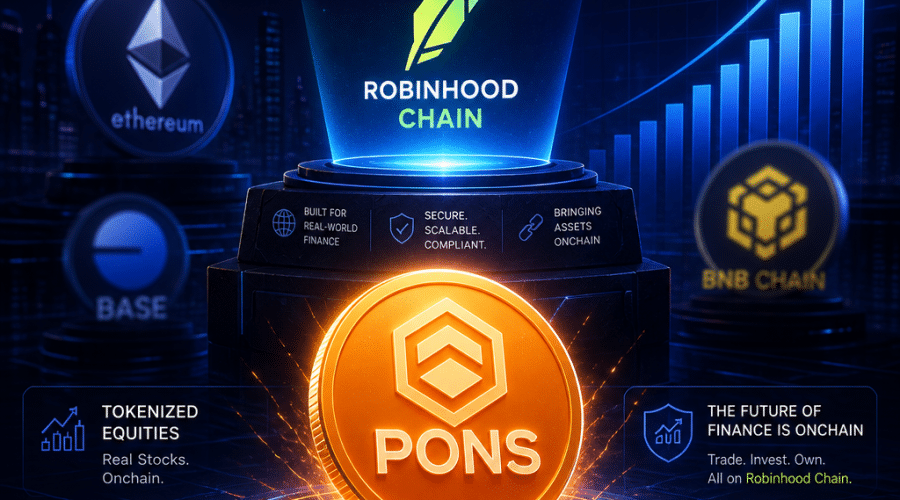
Robinhood Chain dominates decentralized exchange volume, outperforming Ethereum, BNB Chain, and Base. Furthermore, the launchpads on Robinhood Chain have taken nearly 70% of the crypto fees. The article provides data-oriented insights into Robinhood Chain’s performance, including a surge in daily DEX volume, dominance in memecoin issuance, and a comparison of its market performance with competitors.
Read more -
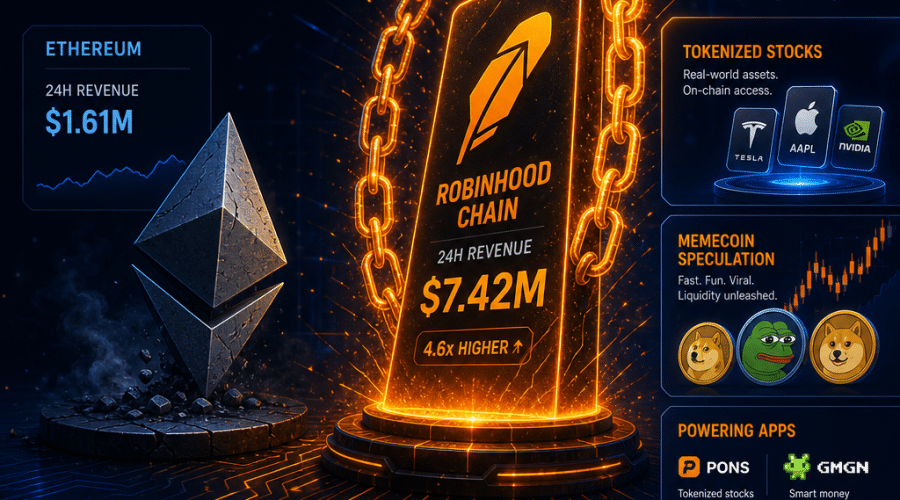
Robinhood Chain surpasses Ethereum in generating more application revenue in the last 24 hours, largely facilitated by memecoin speculation. This article further explores the revenue trends among other networks like Solana, Hyperliquid, BNB Chain, Base, and the role of Robinhood’s token launchpad Pons, alongside DefiLlama’s data insights. Learn more about tokenized stocks trading, decentralized exchange volumes, and Robinhood’s strategic drive towards supporting meme trading.
Read more -

Discover the latest in the crypto world with our weekly roundup, featuring the significant role of U.S. labor data on crypto markets, August jobs report updates, and insights on ADP private payrolls and JOLTS job openings. Also, learn about the initial phase of Russia’s digital ruble rollout and the implications of the U.K.’s inquiry closure on banking restrictions affecting crypto companies.
Read more -
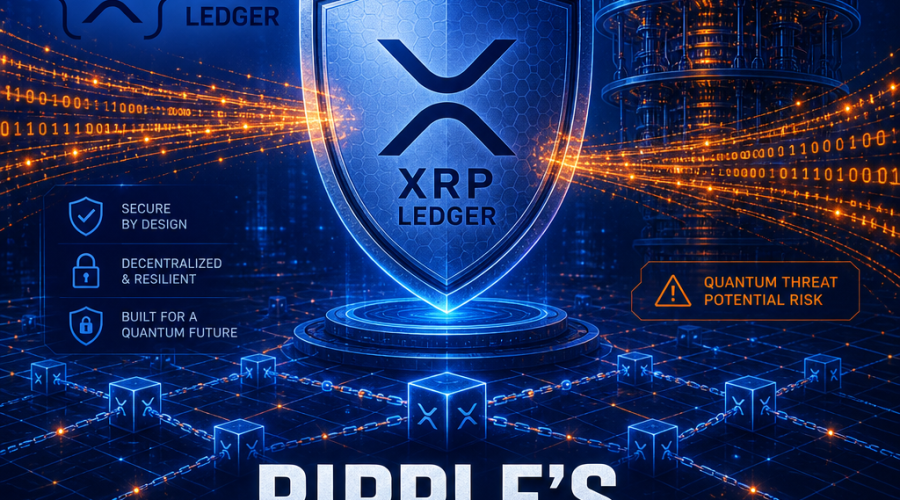
Ripple developers are proactively upgrading the XRP Ledger with future-proof cryptography to secure wallets and transactions against potential threats from quantum computing. The enhancements aim to protect the financial infrastructure and its users from potential vulnerabilities that may get exploited using powerful quantum computers.
Read more -
Ninth Circuit Court rules that Kalshi’s sports event contracts are not swaps under the Commodity Exchange Act, paving the way for Nevada to enforce its gaming laws against the prediction market. Contradictory rulings on the same company’s product by two federal courts signal the potential for a Supreme Court review. Kalshi has been expanding into crypto derivatives.
Read more -
Ninth Circuit declares Kalshi sports event contracts are not swaps under the Commodity Exchange Act, allowing Nevada to enforce its gaming laws. The decision, contrasting with the Third Circuit’s ruling favoring federal jurisdiction, sets up a potential Supreme Court showdown. Feature article examines the details and commercial implications of the contradictory rulings on the same product, with an overview of Kalshi’s endeavors in crypto derivatives.
Read more -
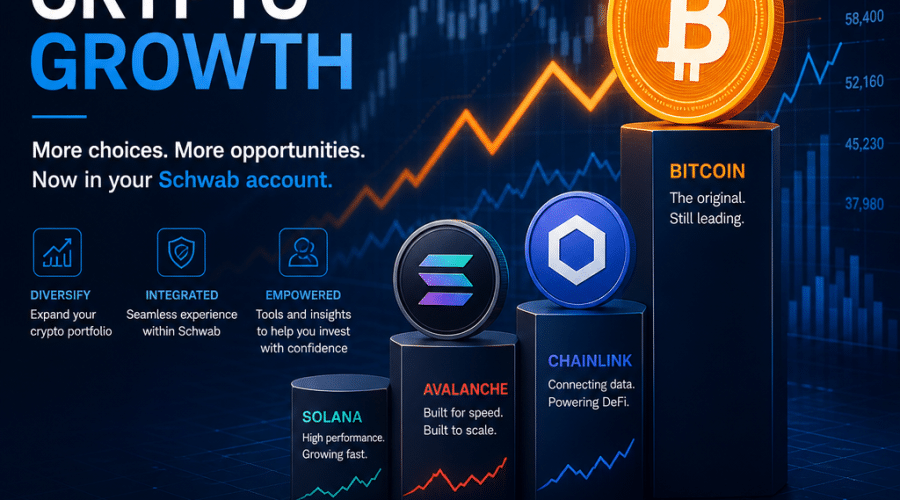
Bitcoin soars above $80,000 as Charles Schwab announces expansion of available tokens in Schwab Crypto accounts. The inclusion of Solana, Avalanche, and Chainlink adds diversity to the platform that previously offered only Bitcoin and Ether. The news resulted in significant gains for the three new tokens while boosting overall crypto market value. Get an in-depth look at the impact on Bitcoin ETFs, the Crypto Fear & Greed Index, and more in this comprehensive crypto market update.
Read more


Latest posts from the category Cryptocurrency Guides
-
Discover the latest in the crypto world with our weekly roundup, featuring the significant role of U.S. labor data on crypto markets, August jobs report updates, and insights on ADP private payrolls and JOLTS job openings. Also, learn about the initial phase of Russia’s digital ruble rollout and the implications of the U.K.’s inquiry closure on banking restrictions affecting crypto companies.
Read more -
Ninth Circuit declares Kalshi sports event contracts are not swaps under the Commodity Exchange Act, allowing Nevada to enforce its gaming laws. The decision, contrasting with the Third Circuit’s ruling favoring federal jurisdiction, sets up a potential Supreme Court showdown. Feature article examines the details and commercial implications of the contradictory rulings on the same product, with an overview of Kalshi’s endeavors in crypto derivatives.
Read more -
Bitcoin soars above $80,000 as Charles Schwab announces expansion of available tokens in Schwab Crypto accounts. The inclusion of Solana, Avalanche, and Chainlink adds diversity to the platform that previously offered only Bitcoin and Ether. The news resulted in significant gains for the three new tokens while boosting overall crypto market value. Get an in-depth look at the impact on Bitcoin ETFs, the Crypto Fear & Greed Index, and more in this comprehensive crypto market update.
Read more -
Bitcoin trades above $80,000 with Schwab adding Solana, Avalanche, and Chainlink to its crypto account offerings. As the value of Bitcoin surges, the altcoins SOL, LINK, and AVAX also see significant gains. The increased adoption and support of cryptocurrencies hint at a promising future for digital assets.
Read more -
Bitcoin extends its trade value over $80,000 as Charles Schwab expands its crypto offerings. Solana, Avalanche, and Chainlink outperform bitcoin and ether following the announcement. Schwab plans to offer access to the three tokens in the upcoming months, broadening its currently limited bitcoin and ether portfolio. Detailed financial data and future market insights included.
Read more
Subscribe to new posts
Receive the most up to date insights & strategies

Your investments are your responsibility
We do not accept any liability for any loss or damage which is incurred from you acting or not acting as a result of reading any of our publications. You acknowledge that you use the information we provide at your own risk.
Altsignals does not offer investment advice and nothing in the calls we make should be construed as investment advice. Altsignals provides information and education based on our own trades. You are paying to follow our trades that we document for educational purposes.