SBI VC Trade Introduces Japan’s First Licensed USDC Stablecoin Lending Service
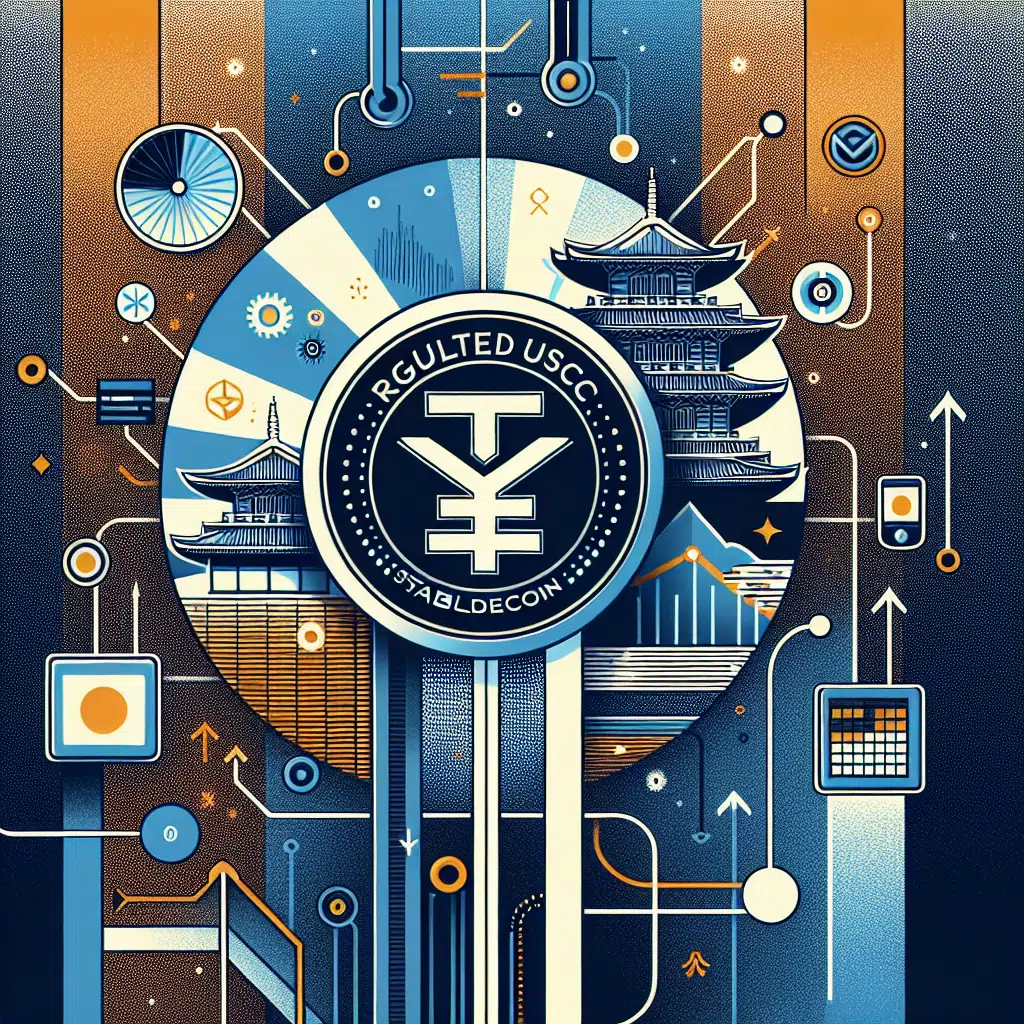
In a significant development for Japan’s cryptocurrency landscape, SBI Holdings’ subsidiary, SBI VC Trade, is set to revolutionize the digital asset market by launching the nation’s first regulated stablecoin lending platform for retail investors. The service, debuting on March 19, 2026, will grant users the opportunity to lend USD Coin (USDC) and receive highly competitive, fixed-term returns, potentially outpacing conventional banking products. This initiative propels stablecoins further into Japan’s mainstream financial sector, while showcasing the SBI Group’s ongoing commitment to digital innovation and sound regulatory compliance.
Japan’s Regulated Entrance Into Stablecoin Lending
SBI VC Trade’s upcoming platform is tailored for retail investors seeking robust, transparent, and regulatory-compliant options for their digital assets. The pioneering product offers an initial 12-week lending cycle, with a substantial annualized interest rate of 10%—a return that dwarfs traditional US dollar time deposit rates commonly offered by Japanese banks.
After the inaugural promotion, the platform aims to provide continuing USDC lending products at an estimated 5% annual interest—the rates are subject to market conditions but remain highly competitive compared to legacy financial institutions. The service is open to individuals who can lend up to 5,000 USDC per account in each offering, ensuring both accessibility and focused risk management.
High-Yield Opportunity Versus Traditional Savings
The allure of this platform lies in its superior yields. Japanese savers accustomed to meager returns from foreign currency deposits—where rates typically range from 0.01% up to 4% per year, with select campaigns sometimes reaching 5%—now have a chance to secure a consistent, double-digit annualized return for their digital dollars. This shift signals a broader transformation in Japan’s retail investment options and validates the role of regulated, blockchain-powered products in the modern portfolio.
The platform’s structure is designed to be user-friendly, targeting both crypto newcomers and fiat investors seeking diversification. Users simply deposit USDC, and lending fees accrue automatically through the loan term, with no extra effort required. This simplicity encourages broader participation in the digital economy, expanding the reach of US dollar-denominated assets within Japan’s financial landscape.
Favorable Tax Treatment for Modest Investors
Another crucial advantage for Japanese retail investors is the potential for favorable taxation. Under local tax law, profits from lending USDC are classified as miscellaneous income. If gains remain under ¥200,000 within a tax year, they can be exempt from income tax filings. This exception stands in contrast to the flat 20.315% withholding tax typically imposed on foreign currency time deposits, representing an attractive incentive for small-scale investors to explore USDC lending as a low-barrier entry into digital finance.
For early adopters and cautious investors, this system supports experimentation in stablecoin lending, enabling them to test blockchain-based products with small stakes and gain rewards without immediate tax impact. As more Japanese become familiar with digital assets, such friction-reducing features are likely to accelerate the mass adoption and normalization of stablecoins like USDC.
Transparency, Security, and Operational Structure
SBI VC Trade demonstrates a commitment to security and transparency, anchoring the new service in established licensing frameworks and clear operational rules. Each lending contract locks users’ USDC for the predefined 12-week term, after which original investments plus calculated interest are returned. Interest is calculated on a pro-rata, daily basis and distributed as USDC at term’s end.
However, there are important nuances to the structure. Funds lent via the platform are not held segregated from SBI VC Trade’s other assets, and may be subleased by the company—thus participants assume a degree of counterparty risk, reliant on the financial integrity and solvency of SBI VC Trade throughout the loan’s duration. This is distinct from government-guaranteed deposit accounts in banks, making due diligence on the lending platform essential for prudent investors.
Another operational detail is liquidity management; contracts are fixed and cannot be terminated early. Investors committing their USDC must be prepared to forego immediate access until the 12-week term concludes, cementing the platform’s status as a medium-term, high-yield product rather than a flexible, on-demand savings account.
Additionally, should a blockchain fork occur, lenders will not be entitled to new coins that might be created during the lending period. They will receive only their original USDC principal plus interest, another distinction from certain crypto holding or staking products.


SBI’s Expanding Blockchain Ecosystem
SBI Holdings, through its digital asset arm, has been instrumental in shaping Japan’s regulatory and technical landscape for stablecoins and cryptocurrencies. By collaborating with international innovators and adhering to rigorous domestic compliance standards, SBI is cementing its position as a bridge between global blockchain ecosystems and Japan’s sophisticated investor community.
Partnerships with notable international players—such as Circle Internet Financial and firms specializing in blockchain infrastructure—have enabled SBI to introduce yen- and dollar-backed stablecoins to Japanese users, while integrating blockchain technology with traditional financial services. By providing rule-bound, government-approved investment vehicles, SBI fosters an environment where institutional and retail investors can access digital assets with greater confidence and lower perceived risk.
The USDC lending product fits neatly into this broader strategy, joining SBI’s growing portfolio of regulated digital asset offerings. By providing a secure, transparent platform for stablecoin yields, SBI further legitimizes USDC as a viable asset for diversification and USD exposure in portfolios previously limited to legacy products.
Implications for Japan’s Financial Market and Global Trends
With the launch of licensed USDC lending, Japan’s digital asset market takes a step closer to the integration of blockchain with mainstream finance. This development not only offers immediate advantages for individual investors—through enhanced yields and advantageous tax treatment—but also sets an example for best practices in the global industry.
By prioritizing regulation, transparency, and security, SBI VC Trade paves the way for further innovation in blockchain-powered financial products. As adoption increases, investors in Japan may begin to see a proliferation of similar offerings for other stablecoins or even blockchain-tokenized, fiat-backed products as regional and global regulations continue to mature.
The focus on risk disclosure, licensing, and compliance reflects the evolving attitude of regulators worldwide toward digital assets. Whereas unregulated platforms often struggle with credibility and security concerns, Japan’s methodical, rule-bound approach nurtures a robust digital finance ecosystem—one attractive to risk-averse investors, institutions, and international partners alike.
Looking Ahead: Stablecoins in the Everyday Portfolio
With digital assets rapidly gaining traction among global investors, stablecoins like USDC represent a critical inflection point: they combine the price stability of fiat currencies with the programmability and transparency of blockchain technology. SBI VC Trade’s initiative could serve as a blueprint for other national markets, unlocking new potential for stablecoin-based lending as a mainstream retail investment product.
As blockchain and traditional finance continue to converge, products like regulated USDC lending stand out for their innovation, compliance, and accessibility. For Japanese investors—both longstanding and new to dollar-denominated securities—this is a pivotal step in expanding financial choices and realizing digital assets’ potential for dependable, regulated returns.
Conclusion
SBI VC Trade’s leap into licensed USDC stablecoin lending is more than just a new product launch for Japan’s retail investors—it is a significant milestone that reshapes perceptions of safety, yield, and accessibility in crypto finance. With its emphasis on high fixed returns, transparent structures, and adherence to local regulation, the platform positions stablecoins not as speculative assets but as genuine alternatives to traditional deposits. As digital assets move toward deeper integration into mainstream finance, regulated innovations like this will be key to building investor trust, driving adoption, and sustaining Japan’s leadership in the global blockchain economy.