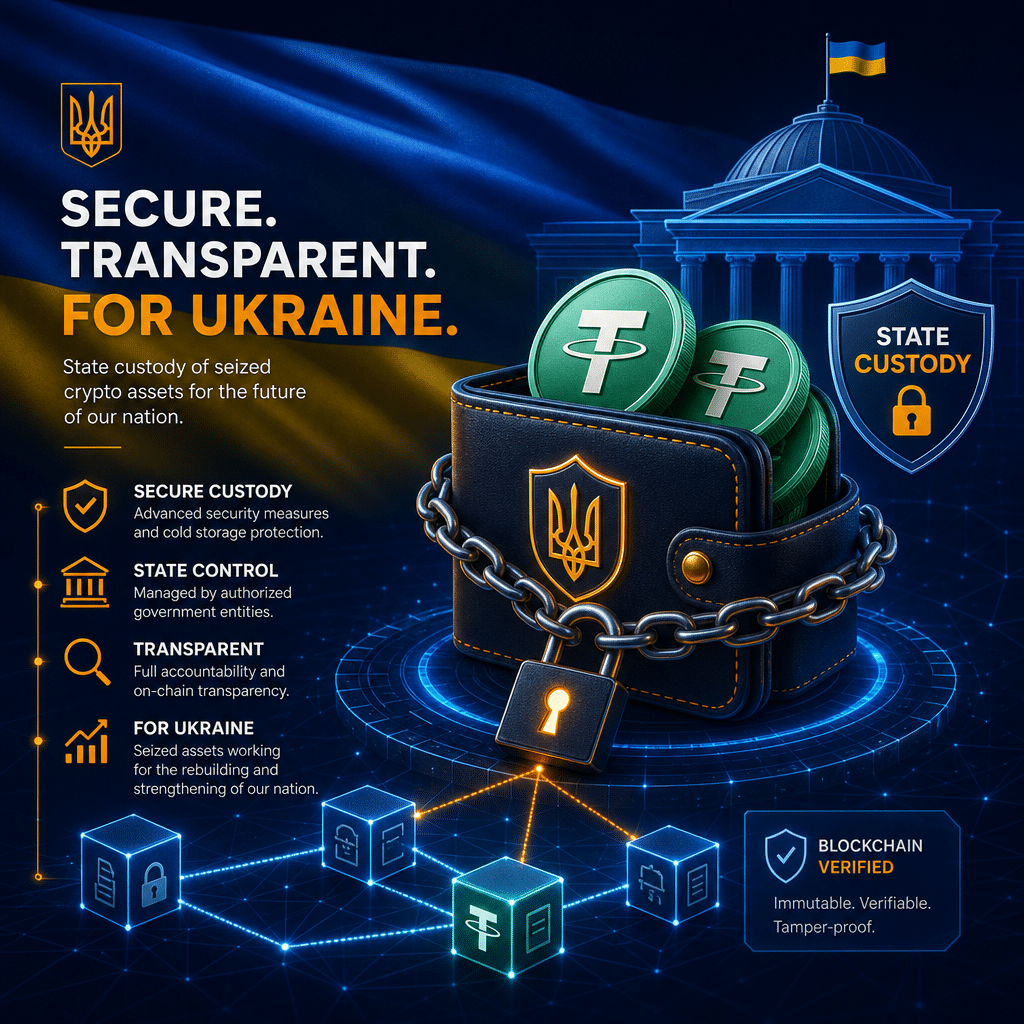
Ukraine has made history by placing $8.3 million in seized cryptocurrency, specifically in the form of Tether (USDT), under direct state management. This move marks the first time the Ukrainian government has taken direct custody of confiscated digital assets, signaling a pivotal shift in the ways nations can adapt to the realities of a growing digital economy and improving their asset recovery methodologies.
Background: Ukraine’s Growing Embrace of Digital Assets
Ukraine’s journey with digital assets is marked by both opportunity and complexity. Since the onset of regional conflicts and changing geopolitical scenarios, Ukraine has emerged as one of the most forward-thinking countries in terms of cryptocurrency adoption and blockchain technology experimentation. From accepting crypto for humanitarian aid to pursuing crypto regulation, the country’s authorities have recognized the growing role of digital assets in both economic and legal domains. This latest move from Ukraine’s Asset Recovery and Management Agency (ARMA) reflects the country’s broader efforts to modernize asset tracking and enforcement procedures, especially as criminals increasingly turn to digital currencies to evade detection.
The Landmark Seizure and Transfer: $8.3 Million in USDT
The latest development centers on the formal transfer of over $8.3 million in USDT (a leading stablecoin pegged to the US Dollar) to the ARMA’s dedicated wallet. This sum, originally seized by Ukrainian law enforcement during a criminal investigation, is not a government purchase of cryptocurrency but the result of asset confiscation related to illicit activity. For the first time in Ukraine, the state has not simply frozen digital assets as part of a legal proceeding; instead, it has undertaken full custodial responsibility.
The process began with the Ukrainian State Bureau of Investigation (DBR), which facilitated the transfer of the seized assets — equivalent to more than 372 million hryvnias — to ARMA. This administrative move shifts control from temporary seizure status (essentially “legal limbo”) into a framework of active state management. By doing so, Ukraine is setting a procedural precedent that could significantly influence how the country, and potentially others, handle confiscated cryptocurrencies in future cases.
State Custody Versus Asset Freezing: A New Enforcement Frontier
Seizing digital assets differs fundamentally from managing them. Traditionally, seizure entails freezing assets, thereby preventing their use or transfer during ongoing investigations. In contrast, state custody means assuming responsibility for keeping the assets secure, maintaining records of the chain of custody, and potentially initiating legal procedures for liquidation or redistribution. For cryptocurrencies, this presents several novel challenges not faced with traditional assets such as real estate, cars, or cash.
Digital currencies require robust, technologically advanced wallet infrastructures for secure storage. Authorities must ensure there is no risk of theft or loss due to hacking — a concern unique to digital assets, which can be transferred anywhere globally with just a cryptographic key. Additionally, the volatile nature of crypto valuations requires real-time monitoring to preserve asset value and document any fluctuations for legal and financial documentation.
Ukraine’s acceptance of USDT into ARMA’s wallet is not just a technical procedure — it represents the laying of institutional groundwork. The agency must now create, document, and uphold protocols around secure storage, value preservation, and, eventually, asset liquidation. This new blueprint will help Ukrainian authorities navigate future enforcement actions involving cryptocurrencies with greater clarity, accountability, and transparency.
Global Context: Seized Crypto and Challenges for Governments Worldwide
The Ukrainian move arrives at a critical time globally, as governments and regulators grapple with the rapid rise of digital assets. In the European Union and the United States, debates rage over how to effectively track, seize, and manage cryptocurrencies when used for illicit activity, money laundering, or sanctions evasion.
Notably, the EU has increased sanctions on Russia-linked crypto platforms, spotlighting the growing significance of crypto management in cross-border asset enforcement. Ukraine’s strategic development, therefore, holds implications far beyond its own borders and could serve as a case study for other nations dealing with similar enforcement challenges in the digital era.
For Ukraine, which remains at the forefront of technological adaptation under challenging geopolitical circumstances, the ability to manage, store, and eventually redistribute or liquidate seized assets offers a powerful new tool in fighting crime and safeguarding state resources.
Legal and Technical Implications: Laying Down Administrative Precedents
Ukraine’s decision to have ARMA take custody of seized USDT sets several important administrative and legal precedents. First, future confiscation cases involving digital assets now have a clear procedural reference — from the technical process of interagency transfers to the secure custody and management of digital wallets.


The step also raises practical questions for policymakers about the best methods for storage and valuation, especially considering stablecoins like USDT are designed to maintain a fixed value (unlike more volatile cryptocurrencies such as Bitcoin or Ethereum). As Ukraine gains more experience in storing stablecoins, its authorities will be better positioned to refine standards for asset valuation timing and define clear mechanisms for the eventual disposal — whether by selling on exchanges, redistributing for public benefit, or other legally sanctioned means.
Such lessons will be crucial for a country at the crossroads of European finance and digital innovation. The experience could also strengthen Ukraine’s ability to cooperate internationally with allied agencies, as it will have shown effective management and transparent documentation of the cryptocurrency “supply chain” during prosecution and asset recovery processes.
Broader Implications for Ukraine’s Crypto Regulatory Environment
The administrative experience of accepting and handling seized digital assets is likely to inform broader policies in Ukraine’s ongoing quest to build a robust digital asset ecosystem. As authorities and ARMA navigate the complexities of wallet security, accountability, and liquidation, their approach could influence the creation of more comprehensive regulatory and procedural frameworks for the crypto sector.
Whether or not Ukraine intends to institutionalize similar asset management frameworks across other government agencies — such as taxation, anti-money laundering efforts, or capital markets — will depend on how successful ARMA is in balancing transparency, efficiency, and security. This experience also positions Ukraine as a leader among Eastern European nations in digital asset policy, enhancing its attractiveness to both legitimate investors and international partners seeking stable, transparent crypto environments.
Potential Risks and Challenges Moving Forward
While Ukraine’s move to state management of seized crypto sets a positive precedent, challenges remain. Ensuring airtight security for custodial wallets is an ongoing battle against increasingly sophisticated cybercriminals. The volatility of even so-called stablecoins — as witnessed in past market disruptions — makes valuation, risk management, and timely liquidation essential considerations for government asset managers.
Legally, the country must also ensure that its procedures align with evolving international standards on the seizure, storage, and liquidation of digital assets. Transparent reporting, real-time auditing, and responsive governance mechanisms will be pivotal in maintaining public trust and upholding international reputational standards.
Conclusion: Ukraine as a Model for Crypto Asset Management
Ukraine’s pioneering approach in placing over $8.3 million in seized crypto under formal state management establishes a procedural benchmark in an increasingly digital global economy. This move underscores Ukraine’s adaptability, commitment to upholding the rule of law, and increasing technological sophistication within its government agencies.
How well ARMA manages these assets will shape both domestic and international perceptions of Ukraine’s crypto policy, impacting future enforcement, regulation, and the development of digital financial infrastructure. As other countries seek guidance on handling confiscated digital assets, Ukraine’s experience could offer a valuable template for balancing innovation with legal and ethical responsibility in the digital age.
Disclaimer: This article is for informational purposes only and should not be construed as financial or investment advice. Cryptocurrencies and digital assets carry inherent risks. Always conduct thorough research or consult a professional before making financial decisions.