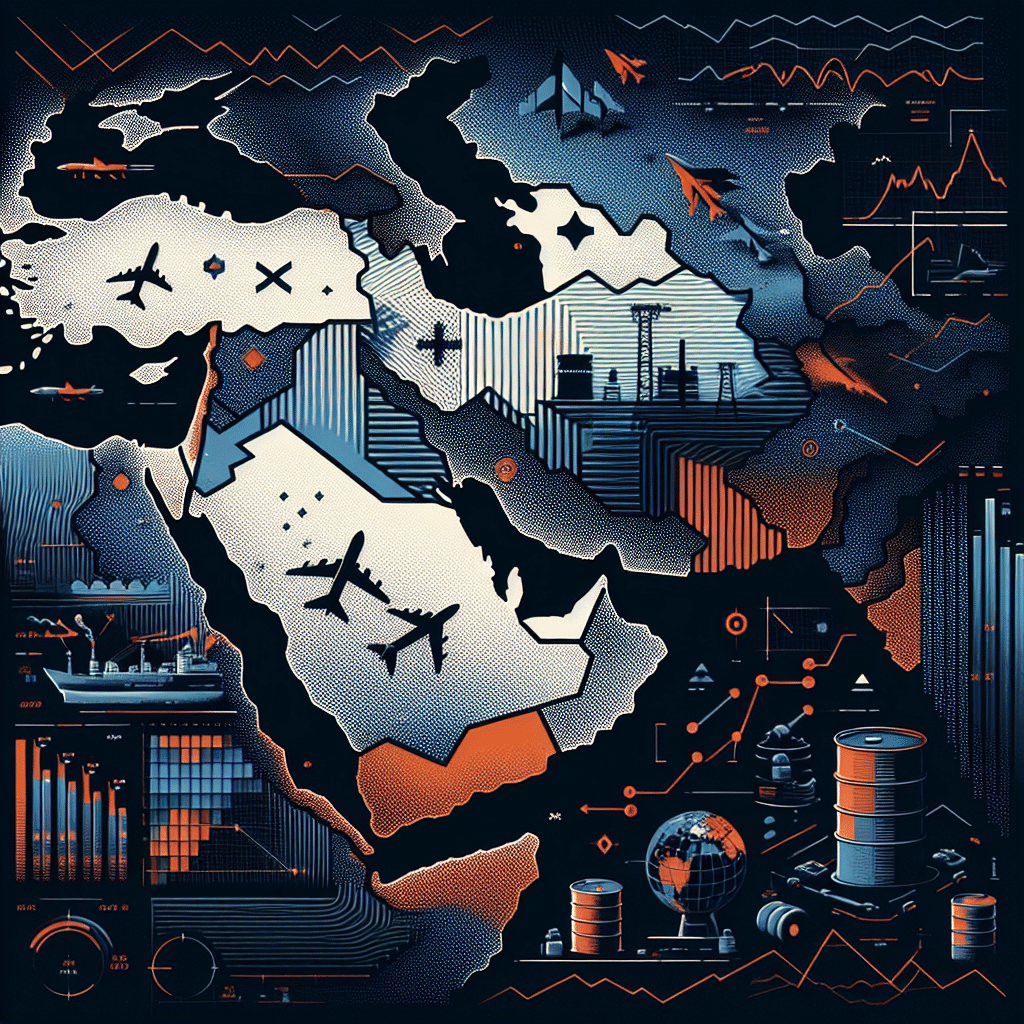
TEHRAN, Iran — On May 15, 2025, the Middle East witnessed a dramatic escalation in regional tensions when Israeli forces launched targeted strikes on Tehran’s outskirts. The operation, reported to focus on strategic infrastructure, unfolded in tandem with former U.S. President Donald Trump’s announcement of a temporary pause on energy-oriented offensives against Iran. The synergy of military aggression and diplomatic maneuvering has prompted widespread international concern, potentially reshaping the security and economic landscapes of the region. Below, we provide a comprehensive analysis of the incidents, historical context, and their far-reaching implications.
Israel Strikes Tehran: Military Operations and Immediate Aftermath
According to official statements from the Israeli Defense Forces, the early-morning raids targeted “strategic infrastructure” positioned around Tehran, signaling an unprecedented escalation in the Israel-Iran shadow conflict. Military analysts describe these actions as a milestone in the chronology of hostilities, expanding beyond proxy operations to direct engagement on Iranian soil. International satellite monitoring corroborated reports of significant damage to transportation arteries and sectors adjacent to critical industrial installations.
Iranian state media played down human casualties, detailing limited numbers but acknowledging “substantial” infrastructural damage. In rapid response, the Islamic Revolutionary Guard Corps (IRGC) placed major Iranian cities on the highest alert, activating extensive air defense networks and reinforcing sensitive sites. The heightened threat perception led to immediate rerouting and broad avoidance of Iranian airspace by commercial airlines, profoundly disrupting regional air traffic.
Governments neighboring Iran were swift in their diplomatic reactions. Saudi Arabia called for “maximum restraint among all parties,” underscoring fears of a spiraling conflict. Turkey offered to mediate, highlighting the wider regional appetite for de-escalation. European Union foreign ministers meanwhile convened emergency discussions to consider the bloc’s options in responding to the marked shift in Middle Eastern security dynamics.
Trump’s Strategic Pause on Iran Energy Attacks
Parallel to the unfolding military actions, former U.S. President Donald Trump announced a “temporary suspension” of energy-centric offensive operations against Iran. The move, communicated through official channels, came in the wake of sustained confrontational rhetoric over Iran’s nuclear ambitions. Trump justified the suspension as a gesture supporting ongoing diplomatic backchannel dialogues, hinting that the decision’s longevity would depend on the progress of these talks.
Financial and energy markets reacted promptly. Brent crude futures saw a sharp 2.3% decline, signaling initial optimism that the risk of immediate supply disruption had reduced. Additionally, shipping insurance premiums for vessels traversing the Persian Gulf also dipped marginally, although markets remained sensitive to potential rapid escalation on the military front.
Analysts note Trump’s previous posture included stringent sanctions on Iranian hydrocarbon exports and efforts to degrade energy infrastructure through covert and overt means. The current pause, contrasted against these hardline measures, indicates an evolving strategic calculus, perhaps favoring selective containment rather than broad-based destabilization of Iran’s economic foundations.
Historical Context and Recent Escalations
The enduring confrontation between Israel and Iran traces its roots to the aftermath of Iran’s 1979 Islamic Revolution, which severed previous diplomatic ties. Over subsequent decades, the expansion of Tehran’s nuclear program transformed bilateral animosity into one of the primary sources of insecurity for both Israel and the wider region.
Key episodes in this protracted shadow war over recent years include:
| Date | Event | Location | Reported Casualties |
|---|---|---|---|
| March 2023 | Cyberattack on Iranian nuclear facilities | Natanz | 0 |
| August 2024 | Drone strike on Iranian military convoy | Eastern Syria | 12 |
| January 2025 | Assassination of Iranian nuclear scientist | Tehran | 1 |
| May 2025 | Current strikes on Tehran infrastructure | Tehran outskirts | Unknown |
The shifting targets — from cyber and proxy attacks to direct strikes on Tehran’s outskirts — reflect the deepening and geographical broadening of conflict. The United States’ 2018 withdrawal from the Joint Comprehensive Plan of Action (JCPOA), better known as the Iran nuclear deal, set off a renewed nuclear and conventional arms competition, twice raising the specter of major military conflict in the last few years.
Regional Security Implications and Responses
The interplay between new Israeli military action and the diplomatic pause on energy hostilities generates complex security dynamics. Heightened security measures are observable across Iran’s neighbors: Jordan intensified surveillance and armed patrols along its eastern border, while Iraq reinforced checkpoints at key crossings. The unrest has spurred cross-border and maritime vigilance, as both state and non-state actors brace against further destabilization.
At the multilateral level, responses have covered the diplomatic spectrum:
- United Nations: The Secretary-General has expressed grave concern regarding further escalation and has urged all actors to return to diplomatic norms.
- Russia: Moscow has pressed both sides to seek de-escalatory measures through established channels, wary of upending its strategic interests in the region.
- China: Beijing has reiterated its principal of state sovereignty, urging all states to avoid actions that threaten international peace or disrupt vital regional trade.
Security experts identify four primary risk vectors:


- Proxy warfare escalation: Heightened prospects of Hezbollah or other Iranian-backed groups targeting Israeli territory, especially in the north.
- Maritime security threats: The possibility that conflict could spill over into renewed attacks on Persian Gulf shipping, endangering global oil transport.
- Nuclear acceleration: Fears that Iran could respond to strikes with further uranium enrichment, pushing the nuclear program closer to weapons capability.
- Alliance realignments: The volatile situation could prompt Gulf states and other regional actors to reconsider their security alignments — potentially activating new diplomatic or military initiatives.
Economic and Energy Market Consequences
Markets for crude oil, energy derivatives, and shipping insurance have proven highly sensitive to this complex matrix of risk and restraint. While Trump’s energy pause initially soothed concerns about global oil supply shocks, the Israeli strikes shortly thereafter reintroduced uncertainty, compelling major multinationals to review contingency protocols for potential supply interruptions.
The Strait of Hormuz remains a critical node: roughly 20% of global oil passes through this strategic chokepoint daily. Any blockage — whether from military confrontation, sabotage, or miscalculation — would have near-immediate reverberations for global fuel prices and supply security.
Insurance premiums for tankers and cargo ships operating in the Persian Gulf spiked as war risk surcharges jumped 15%, indicating that operators and underwriters are preparing for the possibility of rapid conflict escalation. However, these premiums have not yet reached the crisis levels witnessed during the worst standoffs of 2024.
Diplomatic Channels and Conflict Resolution Prospects
In response to these events, international actors are working in parallel to engineer a path back to dialogue. European negotiators have proposed convening emergency talks in Geneva, while the Arab League has suggested Doha as a neutral meeting ground. Neither Iran nor Israel has laid out clear preconditions or signaled willingness to participate, reflecting just how fraught and resilient their disputes have become.
Current U.S. administration officials are engaged in a delicate balancing act — reaffirming support for Israel’s right to self-defense, yet signaling approval for the Trump-imposed halt as a tactical opening for possible de-escalation. Scholars of international law highlight a familiar dilemma: while open aggression is generally prohibited under United Nations Charter statutes, the provisions for self-defense can be interpreted elastically, particularly when threats are characterized as imminent.
Whether these convergent crises can be redirected toward negotiation over confrontation depends on deft diplomacy and the willingness of external stakeholders — especially powers like the U.S., Russia, and China — to collaborate on conflict management.
Conclusion
The military strikes by Israel on the outskirts of Tehran, occurring alongside a pause in energy sector hostilities announced by Donald Trump, have catapulted the region into a new phase of uncertainty. This two-front development illustrates changing conflict strategies, with direct engagement on Iranian territory and nuanced signaling around critical economic leverage points. Ripple effects have already manifested in energy markets, regional security reconfigurations, and urgent international diplomacy. Ultimately, long-term resolution will require addressing the underlying insecurities and grievances through robust, verifiable diplomatic frameworks — avoiding the peril of cycles where military escalation and fragile truces alternate unpredictably.
FAQs
Q1: What specific targets did Israel strike in Tehran?Israeli officials reported targeting strategic infrastructure believed to support Iran’s military capabilities, though they have withheld precise details for operational security reasons.
Q2: How long will Trump’s pause on energy attacks against Iran last?No specific duration was stipulated in the announcement. The suspension is described as temporary and contingent upon the progression of ongoing diplomatic communications.
Q3: How have oil markets responded to these developments?Initially, Brent crude futures fell by 2.3% following Trump’s announcement, but the Israeli strikes soon reintroduced volatility. Investors remain highly responsive to shifts in both military risk and diplomatic efforts.
Q4: What distinguishes these strikes from previous Israeli operations against Iran?This latest action marks a shift from previous operations that mostly targeted Iranian assets in third countries; instead, the strikes directly impacted infrastructure in greater Tehran, reflecting geographic and strategic escalation.
Q5: How are regional powers responding to the situation?Major regional actors, notably Saudi Arabia and Turkey, have called for restraint and expressed interest in mediation, showcasing broader concerns over conflict spillover and the protection of regional stability and economic interests.