Stocks and cryptocurrencies took divergent paths on Friday as investors tracked the latest developments in US-Iran peace negotiations. While stock futures showed upward momentum amid diplomatic progress, Bitcoin and other cryptocurrencies suffered renewed volatility as ongoing geopolitical risks and inflation concerns weighed on the crypto market.
Stock Futures Climb as US-Iran Talks Spark Optimism
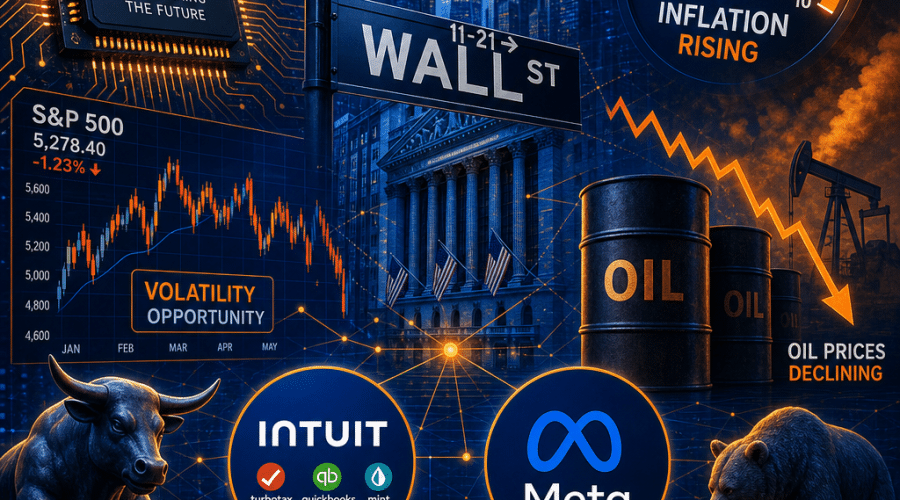
US stock futures began Friday on a positive note, continuing a rebound from earlier in the week. The Dow Jones Industrial Average and S&P 500 futures each climbed 0.3%, while the tech-heavy Nasdaq 100 futures gained 0.5%. This optimism followed a rough start to the week, during which persistent inflation signals and speculation over possible Federal Reserve rate hikes dampened investor sentiment.
The catalyst for the stock market’s renewed optimism came from both Washington and Tehran. US Secretary of State Marco Rubio and official Iranian sources reported progress in talks designed to defuse ongoing tensions. Investors responded to these signals, hoping for a diplomatic breakthrough that could stabilize oil markets and curb some of the upward pressure on energy prices.
Why US-Iran Tensions Matter for Markets
The standoff between the United States and Iran has repeatedly rattled global markets in recent years. At the heart of the current negotiations are several critical issues: Iran’s enriched uranium stockpiles and control over shipping in the strategically important Strait of Hormuz. The latter is especially crucial as this shipping lane handles a significant proportion of the world’s oil transport.
Fears that tensions could escalate have led to spikes in oil prices, which, in turn, feed directly into broader inflation. This dynamic makes investors nervous, as persistent inflation could prompt further rate hikes from the Federal Reserve and threaten economic growth. Consequently, every sign of progress—or setback—in the diplomatic arena triggers swift and sometimes dramatic reactions across asset classes.
Market Fundamentals: Inflation, Earnings, and Sentiment
Alongside geopolitical developments, investors are keeping a close watch on key economic indicators and ongoing earnings reports. The University of Michigan is set to release new consumer sentiment and inflation expectation data, which could provide further insight into how households are feeling the pinch from rising prices. These readings, alongside still-elevated oil prices, will help shape bets on when or if the Federal Reserve might begin cutting rates later this year.
The major stock indexes are also influenced by the tail end of the earnings season. Among the noteable reports due, government contractor Booz Allen Hamilton is set to provide results that could offer clues about defense sector sentiment amid the current geopolitical climate.
Cryptocurrency Slides as Geopolitical Risk Looms
In direct contrast to equities, cryptocurrency markets ended the week on a sour note. Bitcoin—by far the largest cryptocurrency by market capitalization—fell about 0.5% on Thursday, settling near $77,487 and on course for a weekly loss of roughly 1%. The sharpest moves in the crypto space have come during the recent flurry of news from the Middle East.
Cryptocurrencies like Bitcoin are often seen as alternative investments or hedges against fiat currency devaluation, but in times of acute geopolitical uncertainty and rising inflation, investors tend to retreat from riskier assets, crypto included. This week, negotiations between the US and Iran did reveal “some good signs,” but significant stumbling blocks remain.
The Sticking Points: Uranium and Oil Shipping
The fundamental unresolved issues include Iran’s demand to retain its enriched uranium stockpile and the proposed imposition of new shipping tolls in the Strait of Hormuz. Iran’s Supreme Leader reaffirmed that the country will not ship its near-weapons-grade uranium stockpile out of the country—a move the US, according to sources, sees as essential for any deal.
Meanwhile, Secretary of State Rubio flatly rejected any proposals involving new tolls or controls on international shipping in the crucial waterway. As long as these deadlocks persist, volatility is likely to remain elevated in energy and crypto markets since both are highly sensitive to global political risk and investor sentiment.


Liquidations Spike as Crypto Volatility Returns
Unresolved geopolitical risk led to a fresh round of forced selling and liquidations in the crypto market. According to on-chain data, over $200 million in leveraged crypto positions were liquidated in the past 24 hours alone. This wave of liquidations exacerbated the week’s price decline and underscored the sector’s vulnerability to rapidly shifting headlines.
Over the past weeks, crypto investors had grown more cautious as the Federal Reserve’s timeline for rate cuts became less certain. With expectations for monetary easing being pushed back, especially as high energy costs threaten to keep inflation stubbornly high, speculative trading activity in crypto has become riskier and more prone to large swings.
Technical analysts identified $76,000 to $77,000 as an important support range for Bitcoin. If the token falls decisively below this level, further downside could be triggered. Conversely, a move back above $80,000 is needed to regain bullish momentum. Institutional buying and continued inflows into spot Bitcoin ETFs, however, have helped cushion some of the market’s downside and could act as a stabilizing force if outflows do not intensify.
Broader Cryptocurrency Market Reactions
The caution and volatility in Bitcoin echoed broadly across the rest of the crypto market:
- Ethereum (ETH) slipped 0.3%, trading at $2,129.
- XRP posted a 0.7% loss, settling at $1.37.
- Solana (SOL) was an outlier, edging up 0.5% for the day.
- Cardano (ADA) and Polygon (MATIC) both gained 1%.
- Dogecoin (DOGE) ended the session flat.
Oil Prices, Inflation, and Federal Reserve Implications
Underpinning both the stock and cryptocurrency narratives is the issue of energy prices. The US-Iran conflict, and concerns about possible disruptions in the Strait of Hormuz, have driven oil prices higher in recent weeks. For equity markets, rising oil prices can erode margins for companies outside the energy sector and further squeeze consumers already struggling with higher prices at the pump.
For cryptocurrencies, which derive some of their investment appeal from inflation hedge narratives, persistently high inflation should in theory be positive. However, rising inflation without concrete signs of central bank accommodation (such as rate cuts) removes some of the risk appetite that has underpinned the asset class for much of the past year. Investors seem increasingly reluctant to increase their exposures to Bitcoin and altcoins in this environment, preferring instead to wait for clearer signals on both diplomacy and monetary policy.
Investor Strategies in Uncertain Times
As the week draws to a close, both traditional and crypto investors face a complicated set of crosscurrents. For stock market participants, progress in US-Iran talks is a welcome relief, but inflation and monetary policy remain unresolved concerns. For cryptocurrency traders, headlines and liquidations serve as a reminder of the sector’s volatility amid external shocks.
Many professional investors are now recommending a more cautious, diversified approach. In equities, this could mean tilting portfolios toward sectors less exposed to higher energy prices, or staying overweight in defensive names until inflation shows clearer signs of cooling. In crypto, traders are encouraged to use less leverage and maintain prudent risk management, given the recent spike in liquidations and the persistently unpredictable environment.
Opportunities will likely continue to present themselves, especially for those willing to adapt quickly and monitor developments closely. Whether the US and Iran can reach a meaningful agreement—impacting oil, stocks, and crypto alike—remains the biggest question for the days and weeks ahead.
Looking Ahead: What to Watch Next
With the global economy standing at a crossroads between inflationary pressure, diplomatic maneuvering, and rapid changes in investor sentiment, all eyes remain on Washington and Tehran. The markets will be watching for:
- Further announcements or leaks regarding the progress (or breakdown) of US-Iran negotiations.
- Movements in oil prices, which feed directly into inflation indicators and corporate costs.
- The latest data on US consumer sentiment and inflation expectations from the University of Michigan and other sources.
- Federal Reserve commentary on future rate moves and its evaluation of rising energy costs.
- Ongoing trends in crypto trading, especially institutional flows into Bitcoin ETFs and support for key technical levels in Bitcoin and top altcoins.