Introduction: Moderna Launches Human Trials for Bundibugyo Ebola Vaccine
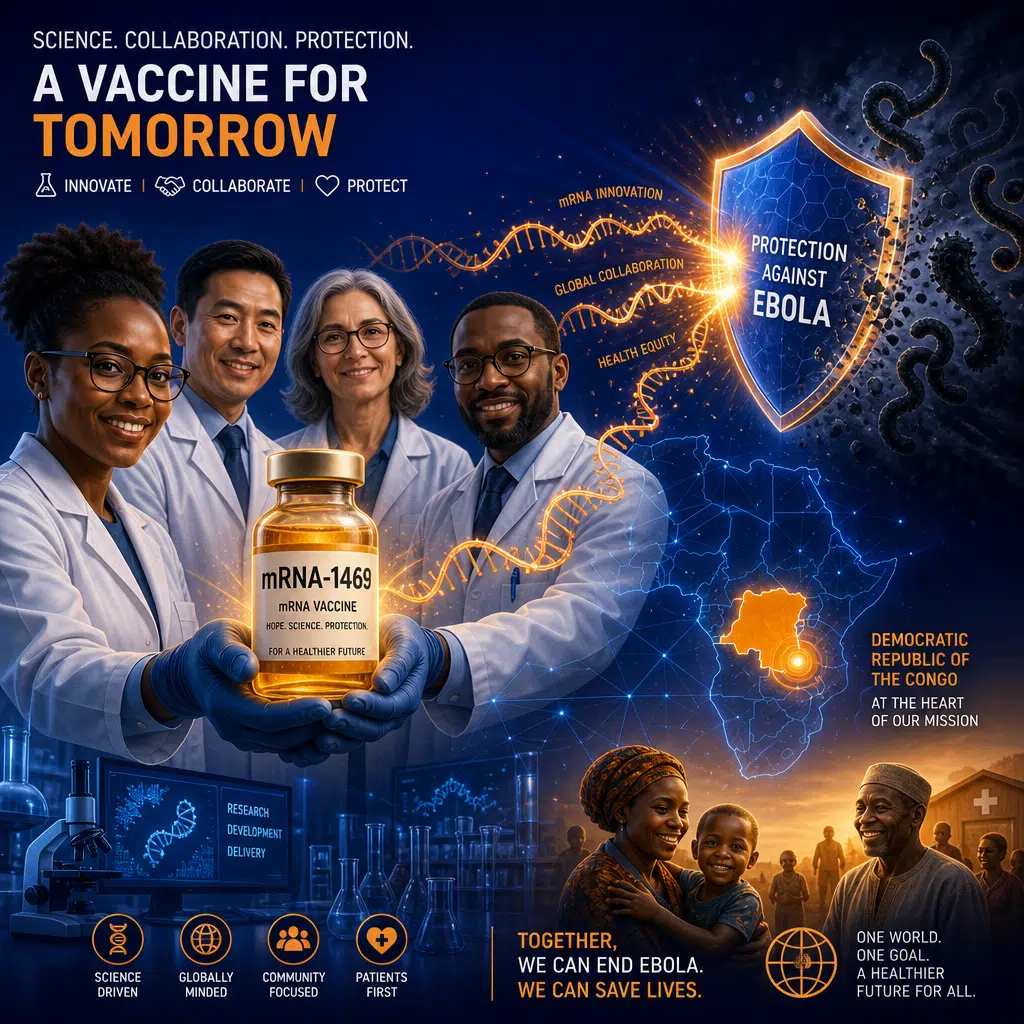
In a pivotal move to combat the ongoing threat of Ebola outbreaks, pharmaceutical giant Moderna has commenced the first human trials of an experimental vaccine targeting the Bundibugyo strain of the Ebola virus. This vaccine, designated as mRNA-1469, is being tested in Canada after receiving authorization from Health Canada for Phase 1 trials. The development marks a significant leap in the fight against Ebola, particularly against the Bundibugyo variant, for which no approved preventive vaccines currently exist.
Understanding the Bundibugyo Ebola Virus and the Outbreak
The Bundibugyo ebolavirus is one of several species in the Ebola virus genus but stands out due to its unique characteristics and challenges. Notably, most existing Ebola vaccines are formulated against the Zaire ebolavirus, which has caused the majority of large Ebola outbreaks to date. However, the Bundibugyo strain has been responsible for significant outbreaks, most recently in the Democratic Republic of the Congo (DRC), where health authorities have recorded more than 3,000 confirmed cases and over 1,400 fatalities. This scale of the outbreak prompted both the World Health Organization (WHO) and the Africa Centre for Disease Control and Prevention (Africa CDC) to declare public health emergencies, both internationally and continentally.
The Science Behind Moderna’s mRNA-1469 Vaccine
Moderna’s mRNA-1469 vaccine leverages the same messenger RNA (mRNA) platform behind the company’s highly successful COVID-19 vaccines. The mRNA technology operates by instructing human cells to produce a protein that mimics part of the virus, thereby priming the immune system to recognize and fight off real infections if exposed in the future. This rapid design, adaptability, and scalable manufacturing process set mRNA vaccines apart from traditional vaccine technologies.
Bringing knowledge from years of research on filoviruses and previous work on other Ebola strains, Moderna rapidly progressed mRNA-1469 from preclinical development to human testing. The targeted vaccine addresses a critical need as no licensed vaccine currently offers protection from the Bundibugyo strain, leaving populations in some of the world’s most vulnerable regions exposed to devastating outbreaks.
Details of the Canadian Phase 1 Trial
The first phase of the clinical trial began across three sites in Canada. About 80 healthy adult volunteers will participate in this study, which will primarily assess the vaccine’s safety profile, its tolerability, and the immune responses it induces. These initial stages are crucial for determining whether mRNA-1469 is fit to progress into more extensive trials involving larger, more diverse populations, and potentially, individuals at higher risk in outbreak regions.
The data collected will inform critical decisions on dosage, possible side effects, and immune activation levels. Should outcomes be positive, the vaccine then moves forward to Phase 2 and 3 trials, where efficacy and further safety are rigorously tested on a broader scale.
Strategic Support: CEPI’s $50 Million Commitment
This ground-breaking initiative is not solely a Moderna endeavor. The Coalition for Epidemic Preparedness Innovations (CEPI) has pledged up to $50 million to underpin preclinical development and Phase 1 clinical trial operations. The funding extends beyond simple trial support, enabling swift production of additional clinical doses, which may prove vital if rapid scale-up is required between trial phases or during an emerging outbreak.
CEPI’s role exemplifies an emerging model in global health collaboration, in which public-private partnerships maximize scientific, logistical, and financial resources to fast-track responses during public health crises. This joint Moderna-CEPI approach allows parallel development — clinical research can advance simultaneously with scaled vaccine manufacturing — potentially reducing delays between trial milestones and widespread access.
Addressing Global Health Equity: Ensuring Vaccine Access
A critical aspect of the Moderna initiative is its commitment to equity in vaccine distribution. Moderna has pledged to reserve at least 500,000 doses of the mRNA-1469 vaccine for low- and middle-income countries should the candidate gain regulatory approval. These doses will be provided under access pricing, ensuring that the most affected and vulnerable populations receive protection regardless of their ability to pay. Such commitments echo lessons learned from the COVID-19 pandemic, where vaccine access inequity hampered global containment efforts and led to many preventable deaths.


Providing Bundibugyo-specific protection will help plug a crucial gap, as outbreaks often arise in areas already facing pronounced health care challenges, infrastructure limitations, and resource constraints.
Impact of the Ongoing Ebola Outbreak in the Democratic Republic of the Congo
The need for a Bundibugyo-specific vaccine has grown especially acute in light of the ongoing outbreak in the DRC. Bundibugyo ebolavirus, first identified in Uganda in 2007, is known for its capacity to trigger fast-spreading and deadly epidemics. In the DRC, thousands have already been affected, with healthcare systems stretched to the limit in their efforts to diagnose, treat, and contain the disease.
The outbreak’s scale and the high mortality rate have triggered global concern, earning declarations of emergency from international and continental health bodies. The increasing trend of high-fatality events with new Ebola strains heightens the importance of rapidly developing and deploying strain-specific countermeasures.
The Road Ahead: Testing, Approval, and Future Preparedness
As the Phase 1 trial proceeds, all eyes will be on the safety, tolerability, and immunogenicity data Moderna and its research partners collect. Success in Phase 1 would clear the path for larger clinical trials both within Canada and possibly in regions where the virus is endemic. Meanwhile, CEPI’s funding and parallel manufacturing efforts position Moderna to leap rapidly to mass production if future outbreaks demand urgent deployment.
Regulatory agencies will follow developments closely. The eventual approval of a Bundibugyo Ebola vaccine would not only address an urgent unmet medical need but also serve as a model for swift response against other emerging infectious diseases. Accelerating access to effective vaccines, especially using flexible mRNA platforms, could define a new era in epidemic preparedness.
Broader Implications for Infectious Disease Control and Vaccine Innovation
This trial is far more than just another vaccine development story. It is emblematic of a paradigm shift in how the world can prepare for and respond to infectious diseases:
- mRNA Platform Versatility: Moderna’s progress illustrates the flexibility of mRNA technology, which can be rapidly reprogrammed for different pathogens, including emerging and re-emerging viruses. This adaptability is critical as the global community faces ever-evolving viral threats.
- Public-Private Partnership: The collaboration between Moderna and CEPI sets a new standard in how resources, expertise, and funding from both sectors can work in concert to deliver urgent health solutions.
- Commitment to Access: Vaccine developers’ willingness to reserve doses and offer access pricing for lower-income regions underscores a growing recognition that epidemics anywhere can rapidly become emergencies everywhere.
- Preparedness for Future Outbreaks: The speed at which Moderna advanced the vaccine from concept to clinical trial — less than a year — demonstrates the improved global capacity for rapid epidemic response, a direct legacy of the lessons learned during COVID-19.
Conclusion: A Pivotal Milestone in the Fight Against Ebola
Moderna’s initiation of the first human trial for an mRNA-based Bundibugyo Ebola vaccine marks a major milestone for global health. With support from CEPI and supply promises to low- and middle-income nations, this effort could not only provide critical protection for those at greatest risk but also set the template for future vaccine rollouts against unpredictable viral threats. As the Phase 1 study unfolds, the world watches with hope that mRNA-1469 will prove safe, effective, and timely — offering new hope to regions still haunted by the specter of Ebola and reinforcing the world’s arsenal against infectious diseases.