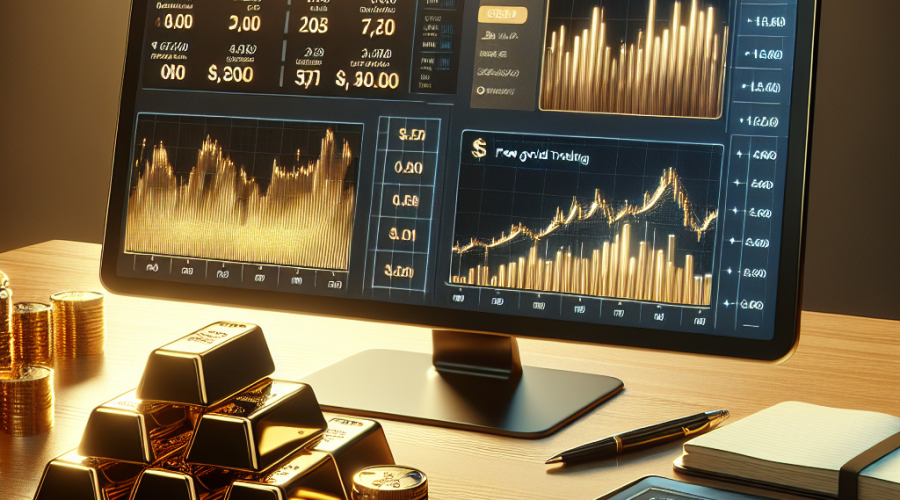
Introduction to Gold Trading Signals
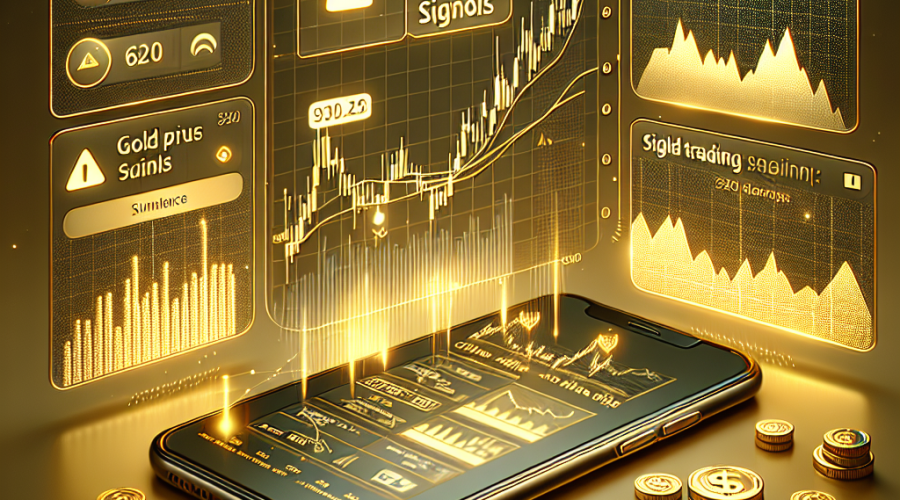
Gold trading signals help traders spot potential buy and sell setups in XAU/USD and related gold markets. The best free gold trading signal sources do more than publish a direction. They usually combine technical analysis, market context, and risk parameters such as entry, stop-loss, and take-profit levels.
That matters because gold often reacts quickly to macro events, US dollar moves, bond yields, and shifts in risk sentiment. A signal can save time, but it still needs context. Used properly, free gold signals can support timing and trade planning rather than replace your own judgment.
Why Reliable Gold Signals Matter
Gold is not just another commodity. Traders often treat it as a defensive asset during periods of uncertainty, which means price action can behave differently from markets driven mainly by industrial demand. That is one reason gold signals remain popular with both forex and commodity traders.
The problem is that many free signal sources publish vague calls with no clear methodology. If a provider does not explain the setup, risk level, or invalidation point, it is hard to judge whether the signal is usable. Reliable gold trading signals should help with market timing and decision-making, not encourage blind entries.
When comparing providers, look for a few basics:
- clear entry, stop-loss, and target levels
- consistent updates rather than one-off calls
- some explanation of the setup or market bias
- realistic risk language instead of guaranteed-win claims
- a track record or transparent performance reporting where available
Top Reliable Sources for Free Gold Trading Signals
- AltSignals.io: AltSignals.io offers AI-assisted market analysis and trading signals across multiple markets, including gold. For traders looking for free gold signals, the main advantage is structured trade ideas backed by broader market analysis rather than random social posts. If you want a closer look, you can explore AltSignals trading signals and published trading results.
- SafeSignals: SafeSignals provides a structured approach to gold trading with defined entry, stop-loss, and take-profit levels through its dedicated Telegram channel. It can suit traders who prefer simple, rules-based alerts.
- TradingView: TradingView is useful for traders who want free, community-driven gold ideas alongside charting tools. The quality varies by contributor, so it works best as a source of confirmation rather than a standalone signal provider.
- Investing.com: Investing.com combines market news, an economic calendar, and technical commentary. For gold traders, that broader context can be helpful when a signal depends on inflation data, central bank expectations, or major US releases.
- FXStreet: FXStreet publishes market analysis and technical outlooks that can support gold trade planning. It is especially useful if you want analyst commentary around forex-linked gold moves.
How Gold Signals Fit Into a Broader Trading Strategy
One useful point that traders often miss is that gold signals are not only about finding a single trade. They can also help frame broader commodity and forex decisions. Because gold often reflects shifts in risk appetite, inflation expectations, and dollar strength, it can act as a useful market read across related assets.
For example, a bullish gold setup may line up with weakness in the US dollar or a defensive tone across markets. That does not guarantee the trade will work, but it can improve context. Traders who follow several markets sometimes use gold signals alongside silver, oil, or major forex pairs to avoid taking isolated positions without confirmation.
If you want a broader look at how these markets connect, see our guide to gold and commodity signals.
What Makes a Free Gold Signal Source Worth Following?
Free signals can be useful, but they are rarely equal in quality. Some are designed to attract attention rather than help traders execute well. A better source usually shows discipline in how setups are presented and updated.


In practice, the strongest providers tend to do three things well. First, they focus on timing, because gold can move sharply around data releases and sentiment shifts. Second, they give enough detail for traders to manage risk properly. Third, they stay consistent, which makes it easier to judge whether the service fits your style over time.
That is also why many traders prefer signal providers that combine analysis with execution structure. A signal without context can be noisy. A signal with a clear thesis, invalidation level, and sensible risk framing is far more useful.
The Role of Technology in Signal Accuracy
Technology has improved how signal providers process market data, but it should be viewed as a support tool rather than a shortcut to certainty. AI-assisted systems can scan price action, volatility, and pattern behaviour faster than manual workflows, which may help identify setups earlier or filter weaker trades.
AltSignals uses AI-driven analysis as part of its signal process, which can be helpful for traders who want faster market coverage without relying only on manual commentary. Still, no model is perfect. Gold remains sensitive to unexpected macro headlines and sharp intraday reversals, so risk management matters as much as signal quality.
Traders who prefer a more technical workflow may also want to explore the AltAlgo indicator for additional confirmation on entries and exits.
Conclusion
The best free gold trading signal sources are the ones that help you make clearer decisions, not the ones that promise easy wins. Look for providers that publish structured setups, explain the market context, and treat risk seriously.
AltSignals, SafeSignals, TradingView, Investing.com, and FXStreet can all play a role depending on whether you want direct alerts, chart ideas, or macro context. The key is to use signals as part of a trading process. That means checking the setup, understanding why it exists, and sizing the trade appropriately.
If your focus is broader market education beyond gold, our crypto trading guide covers core trading concepts that also apply to signal-based decision-making across volatile markets.