Kevin Warsh Nominated as Next Federal Reserve Chair: Implications for Bitcoin and U.S. Financial Policy
Introduction: A New Era at the Federal Reserve?
The nomination of Kevin Warsh as the next Chair of the Federal Reserve represents a pivotal moment in U.S. monetary policy, particularly given his supportive remarks on Bitcoin and digital assets. With mounting concerns over inflation, interest rates, and the future of digital currencies, Warsh’s formal nomination by the White House and the start of his Senate confirmation process have sent ripples through both traditional finance and the cryptocurrency sector.
Kevin Warsh: Background and Track Record
Kevin Warsh is no stranger to the Federal Reserve or to the world of monetary policymaking. He previously served as a Federal Reserve Governor from 2006 to 2011, a period that spanned the most significant financial crisis since the Great Depression. During his tenure, Warsh was known for his analytical approach to monetary policy, his understanding of global financial markets, and his willingness to question established doctrines.
After departing the Federal Reserve, Warsh remained closely involved in policy circles, contributing regularly to discussions about central banking, regulatory oversight, and, notably, digital assets like Bitcoin. His ongoing commentary has made him a respected—and sometimes controversial—figure in financial circles.
Fed Chair Nomination Process: What Comes Next?
This week, the White House officially transmitted Warsh’s nomination to the Senate, kicking off a multi-stage confirmation process that will include public hearings and, ultimately, a Senate vote. Lawmakers are expected to scrutinize Warsh’s views on everything from interest rates to inflation targeting, and from financial regulation to cryptocurrencies.
The context for his nomination is critical: inflation has remained persistent, and the central bank’s efforts to manage monetary policy are under a microscope. Warsh’s leadership could chart a new direction for the Federal Reserve at a time when the intersection between digital assets and traditional finance is increasingly prominent.
Kevin Warsh’s Views on Bitcoin and Monetary Policy
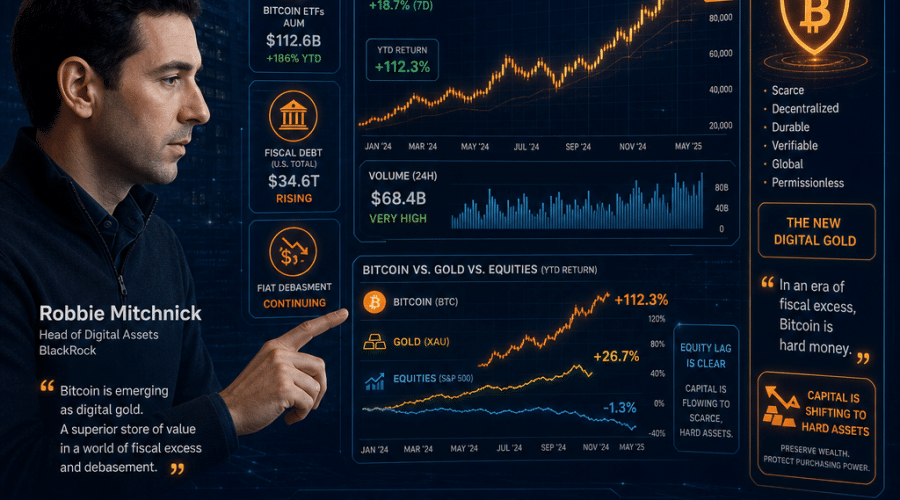
Among policy watchers and cryptocurrency advocates alike, Warsh’s previous comments about Bitcoin have garnered significant attention. In public interviews, Warsh has described Bitcoin as a “good policeman for policy,” arguing that its very existence acts as a check on the excesses of central bankers and enforces a kind of fiscal discipline that fiat currencies sometimes lack.
According to Warsh, Bitcoin’s decentralized nature and algorithmic supply constraints force central banks to remain vigilant about inflationary policies, as the availability of an alternative digital asset can erode confidence in poorly managed national currencies. He has stated that Bitcoin “keeps central banks honest” by setting a bar for what constitutes sound money in the digital age.
At the same time, Warsh has stopped short of advocating for Bitcoin to completely replace traditional fiat currencies. Rather, he sees it as a valuable complement that injects much-needed discipline into the global financial system. He recognizes Bitcoin’s utility as a store of value and its role in fostering debate over the future of money, even as he urges caution about embracing digital assets wholesale without proper regulatory and technological safeguards.
Broader Significance: Bitcoin as a “Policeman” for Central Banks
Warsh’s view of Bitcoin—that it serves as a “policeman” of central banking policy—carries important implications. As digital assets gain traction globally, central bankers are being forced to reckon with a parallel monetary system outside their direct control. For decades, central banks have enjoyed near-monopolistic power over the issuance and management of currency. The rise of decentralized alternatives, like Bitcoin, pressures central banks to justify their actions and maintain public trust.
Warsh’s openness to this perspective signals a potential shift in how the Federal Reserve may interact with, regulate, or even integrate digital assets into the broader financial ecosystem. During his confirmation hearings, lawmakers are almost certain to grill him on these issues, seeking clarity on how he intends to balance innovation, consumer protection, and financial stability.
Kraken Becomes First U.S. Crypto Bank to Gain Fed Master Account
In a parallel development highlighting the integration of crypto and traditional finance, Kraken, a major U.S.-based cryptocurrency exchange, has become the first digital asset bank in United States history to receive a Federal Reserve master account. This watershed moment allows Kraken to settle payments directly with the central bank, bypassing traditional intermediary institutions.
A Federal Reserve master account is a coveted asset for any financial institution, as it grants direct access to the payment and settlement systems of the central bank. For Kraken, this means enhanced operational efficiency, reduced reliance on partner banks, and streamlined processes for its clients. More broadly, it paves the way for deeper cooperation between crypto-native firms and legacy financial infrastructure.


Kraken’s achievement underscores the growing legitimacy and acceptance of digital assets within the regulatory and monetary policymaking frameworks of the U.S. It marks an important step in the evolution of digital asset banking and signals that major financial regulators are willing to work with, not just regulate, innovative actors in the space.
Cryptocurrency Policy at a Crossroads
Both Warsh’s nomination and Kraken’s master account highlight the critical juncture at which cryptocurrency policy in the U.S. now stands. Major questions linger about the role of digital assets in the economy, including how they should be regulated, how anti-money-laundering rules should apply, and what purpose central bank digital currencies (CBDCs) might serve in the future.
If confirmed, Warsh will have an outsized influence on these debates. While he has voiced support for the discipline that Bitcoin brings, he remains cautious about the risks posed by the rapid proliferation of unregulated digital currencies. His approach may be characterized as pragmatic: open to innovation, but committed to ensuring the stability and security of the financial system.
Kraken’s new status points to a future where digital banks operate alongside legacy institutions, offering new services, enhancing competition, and providing consumers more choice in how they store and transfer value.
Senate Confirmation: The Road Ahead
The Senate confirmation process for Kevin Warsh is expected to unfold over the coming weeks. Lawmakers will likely press Warsh on a range of vital questions, including:
- His overall approach to inflation and interest rates
- How he would manage the Fed’s evolving role in financial oversight
- His plans for responding to major economic shocks or downturns
- His strategy for overseeing the growth of cryptocurrency and DeFi (decentralized finance)
Observers from the cryptocurrency sector will be watching closely, looking for cues as to how Warsh might influence the Fed’s regulatory posture. Investors and financial analysts will assess whether his pragmatic acceptance of Bitcoin as a “store of value” could translate into friendlier conditions for digital asset businesses.
Implications for the Future: Digital Assets in the Fed Framework
The convergence of events—Warsh’s nomination and Kraken’s master account—signals a future where digital assets are no longer an afterthought for U.S. financial policymakers. Instead, they have moved to the heart of strategic discussions about money, markets, and regulation.
Should Warsh be confirmed, his leadership could open the door to more serious consideration of how the Federal Reserve oversees, regulates, and potentially supports digital assets and related technologies. This may include exploring the benefits and risks of CBDCs, refining regulations for stablecoins, and ensuring anti-money-laundering standards keep pace with innovation.
For crypto exchanges, banks, and fintech firms, the new landscape offers both opportunity and responsibility. Direct access to Fed infrastructure, as now enjoyed by Kraken, carries the burden of compliance, transparency, and sound risk management. But it also unlocks the potential for new products and services that could dramatically alter how people interact with money.
Conclusion: A Transformative Moment for U.S. Financial Policy
The official nomination of Kevin Warsh as Federal Reserve Chair and the historic achievement by Kraken in securing a Fed master account encapsulate a transformative moment for U.S. financial policy. As the worlds of traditional finance and digital assets draw ever closer, the leadership and policy choices made in the coming months will help define the trajectory for monetary policy and innovation for years to come.
Regardless of the eventual outcome of Warsh’s confirmation, it is clear that digital assets now occupy a central position in the debate over the future of money. How the Federal Reserve and other regulators respond to these changes will shape not only the destiny of Bitcoin and other digital assets, but also the broader contours of the American and global economies.
“`