The White House is facing a wave of scrutiny and discussion following the high-profile departure of teleprompter operator Gabriel Perez, who is no longer employed by the federal government after allegations surfaced that he had used confidential information to place bets on the online prediction market Kalshi. The incident has shone a spotlight on the intersection of politics, prediction markets, and insider trading, and has raised broader questions about how government employees handle sensitive information in an era of accessible digital betting platforms.
The Controversy: Insider Betting Scandal Unfolds
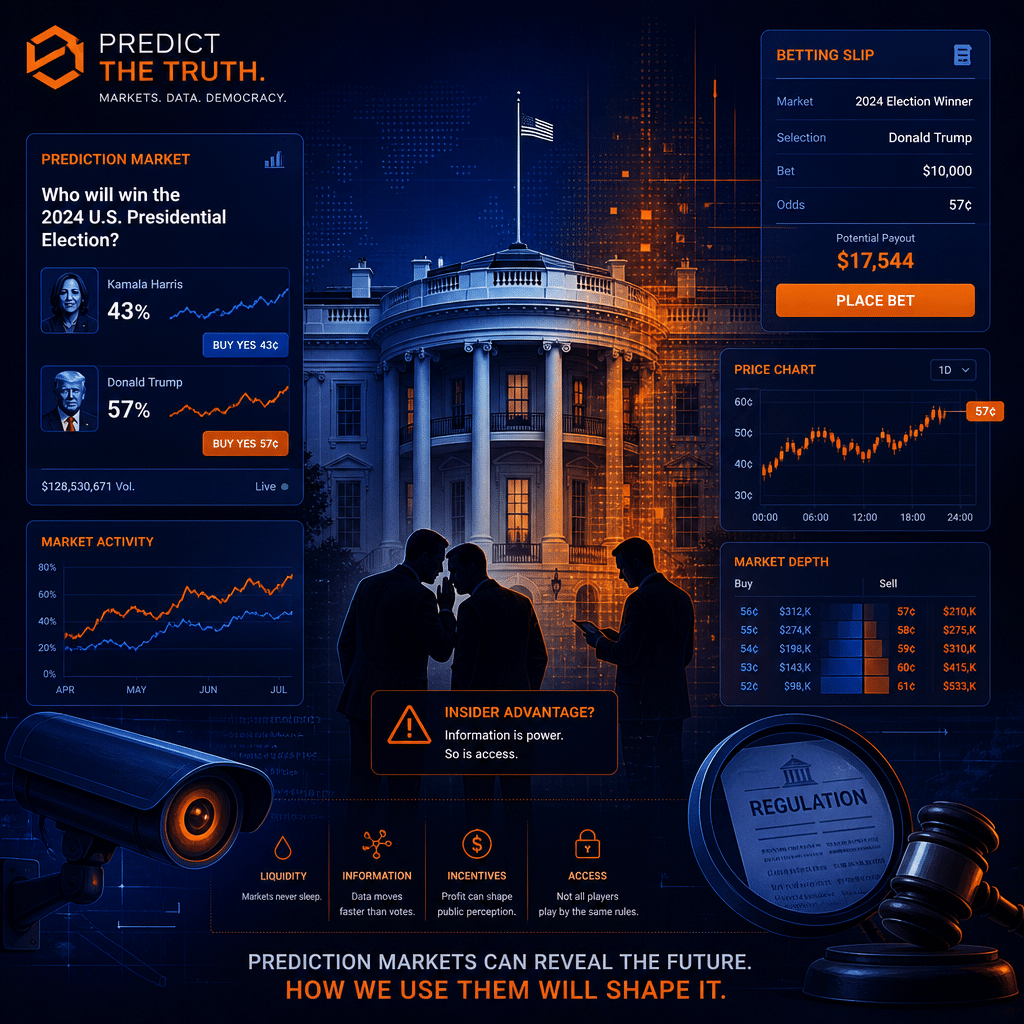
It all began earlier this month when investigative reports alleged that Gabriel Perez had made more than $100,000 through bets placed on Kalshi, a popular prediction market where users can wager on the outcomes of various real-world events, including political developments and public statements. According to official sources who spoke under condition of anonymity, Perez was able to profit by leveraging his exclusive access to advance drafts of President Donald Trump’s speeches—including the highly anticipated State of the Union address—placing bets just before the President delivered key messages that often moved betting markets.
As a White House teleprompter operator, Perez was uniquely positioned to learn the specific contents of speeches before their public release. This privileged access evidently provided him with information that was not widely available, giving him an unfair advantage on Kalshi. The news of his suspension quickly spread, leading to public and governmental concern regarding the security of sensitive materials and the ethical obligations of government personnel.
White House Press Secretary Karoline Leavitt condemned the incident in strong terms, calling the alleged insider trading “deeply unfortunate and, frankly, a disgrace.” The administration moved swiftly, initially placing Perez on unpaid leave before he ultimately left his post. It remains unclear whether this departure was the result of a resignation or a formal dismissal.
Kalshi’s Role and Market Surveillance
The controversy also put Kalshi in the limelight. After detecting unusual trades on its platform, Kalshi’s internal surveillance team launched an investigation into the betting activity linked to White House events. The firm promptly referred the matter to the U.S. Commodity Futures Trading Commission (CFTC), the federal regulator responsible for overseeing commodity futures and event contracts in the United States.
Robert Denault, Kalshi’s legal counsel and head of enforcement, explained that the platform utilizes sophisticated monitoring systems to identify suspicious trading behaviors. While Denault refrained from naming Perez directly, his statement highlighted Kalshi’s commitment to compliance with CFTC regulations and to maintaining the integrity of betting markets that intersect with public policy decisions.
The situation has emphasized the increasing need for robust oversight and transparency in the prediction markets sector, especially when such platforms are gaining traction among traders interested in political and governmental outcomes.
Legal and Regulatory Hurdles Facing Prediction Markets
Prediction markets like Kalshi have faced mounting legal battles across various U.S. states. In the wake of the Perez scandal, several states—including Massachusetts, Michigan, Nevada, and Washington—have raised questions about the legality and ethical implications of prediction markets. As these platforms have grown, state regulators have sought to clarify the boundaries between legal event trading and potentially illicit activities such as insider trading.
In April, Kalshi found itself at the center of another ethical quandary when it suspended three political candidates who had placed bets on elections in which they were directly contesting. The company determined that such actions constituted political insider trading, and acted in accordance with its CFTC-approved conduct rules. This proactive approach is a sign that prediction markets are aware of the potential risks posed by participants who possess nonpublic or privileged information.
The complexities of enforcing insider trading rules in the digital age have not been limited to Kalshi. Around the same time, a case emerged from a different prediction market, Polymarket, where U.S. soldier Gannon Ken Van Dyke was charged with using classified government intelligence to bet on whether former Venezuelan President Nicolás Maduro would be deposed. Van Dyke reportedly earned $400,000 through his trades, underscoring the seriousness and potential profitability of such behavior.
Federal and State Tug-of-War Over Regulatory Authority
The fallout from these high-profile scandals has catalyzed a broader debate over regulatory jurisdiction and the status of prediction markets in the United States. This debate recently culminated in a pivotal federal court ruling in Minnesota, where legislators had attempted to enact a law banning prediction markets altogether. However, Judge Katherine Menendez issued a temporary injunction against the law’s enforcement, citing the likelihood that many event contracts offered on platforms like Kalshi and Polymarket qualify as federally regulated swaps under the Commodity Exchange Act.


The ruling provided a temporary victory for prediction markets and their federal overseers, signaling that state efforts to ban these platforms could be thwarted by pre-existing federal mandates. The judge also left open the possibility of refining or narrowing the injunction in the future, depending on how the case progresses. This ongoing legal clash points to the unsettled and rapidly evolving nature of prediction market regulation in the United States.
For now, Kalshi, Polymarket, and the CFTC remain embroiled in legal disputes that will determine the ultimate status and scope of prediction events trading. States like New York and Minnesota are pressing for tighter restrictions on these markets, while federal agencies argue that proper regulation can allow such trading to continue within clear, enforceable boundaries.
The Broader Implications for Government and Markets
The Perez case and others like it have underscored critical challenges faced by both government agencies and the prediction market industry. At a time when digital event wagers can be placed by anyone, anywhere, and at any time, insider information related to government proceedings, economic policy, or public safety can easily become the target of illicit profiteering.
As a result, both federal and state governments must grapple with how to equip themselves to detect, prevent, and punish misuse of confidential data. Enhanced training, more rigorous background checks, and technological safeguards are steps that may need to be incorporated into government protocols, particularly for staff members who come into contact with market-sensitive or embargoed information.
Meanwhile, prediction markets must continue to refine their surveillance capabilities, increase transparency, and cooperate proactively with regulatory authorities. Their long-term viability depends on rooting out bad actors and demonstrating a commitment to ethical conduct—a point illustrated by Kalshi’s response to Perez’s alleged activities.
Societal and Ethical Questions Moving Forward
Beyond legal and administrative reforms, the controversy raises broader ethical considerations about the role of prediction markets in democratic societies. Advocates argue that these platforms provide insights into public opinion and probability judgments, while critics worry about their susceptibility to manipulation by well-placed insiders.
The public reaction to the Perez incident demonstrates a growing awareness of the risks posed by the fusion of government operations and real-time betting. Issues such as transparency, accountability, and fairness must be addressed not only by market operators and regulators, but also by policymakers who are responsible for maintaining trust in public institutions.
As the prediction market industry grows, the temptation for those with inside access to exploit privileged information for personal gain will persist. Ensuring that robust legal frameworks and cultural norms keep pace with technological change is essential to safeguarding the integrity of both financial markets and public governance.
Looking Ahead
The story of Gabriel Perez’s departure from the White House may be only the first chapter in a larger narrative involving prediction markets, government transparency, and regulatory enforcement. As legal battles continue and new technologies emerge, all eyes will be on both public officials and market operators to uphold the highest standards of ethical conduct.
The US faces a critical juncture: Will prediction markets serve as a responsible tool for aggregating wisdom and forecasting political outcomes, or will they become a new venue for ethically dubious speculation and abuse of power? The answers will depend on the strength of oversight, the clarity of regulations, and an unwavering commitment to public trust.