


Most traders don’t need a “perfect” crypto trading strategy. They need one that fits their time, risk tolerance, and ability to stay disciplined when the market gets noisy.
The best crypto trading strategies are usually simple: pick a style that matches how often you can trade, define your risk before entering, and avoid turning every market move into an emotional decision. That matters even more in crypto, where volatility can punish sloppy execution fast.
This guide covers practical strategies that traders actually use, from trend following and swing trading to dollar-cost averaging and futures trading. It also explains the risk controls that matter just as much as the setup itself, plus a few overlooked ways to improve execution without overcomplicating your process.
Disclaimer: The information shared by AltSignals and its writers is for educational purposes only and should not be considered financial advice. We are not responsible for any investment decision you make after reading this post. Never invest more than you can afford to lose, and consider speaking with a qualified financial adviser before trading.
What makes a crypto trading strategy “best”?
There isn’t one strategy that works best for everyone. A strong strategy is one you can apply consistently.
Before choosing one, ask yourself:
- How much time do you have? Day trading and scalping need active screen time. Swing trading and position trading need less.
- How much risk can you handle? Leveraged futures trading is very different from buying spot and holding through volatility.
- Do you prefer rules or discretion? Some traders want indicator-based entries. Others prefer price action and market structure.
- Can you follow a plan? Even a decent strategy breaks down if you move stops, revenge trade, or oversize positions.
If you want a broader foundation first, start with our crypto trading guide.
1. Trend following

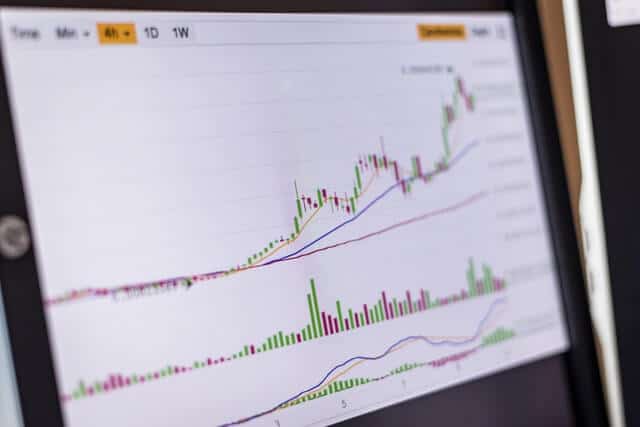
Trend following is one of the most practical crypto trading strategies because it works with market momentum instead of fighting it. The idea is simple: when price is making higher highs and higher lows, traders look for long setups. When price is making lower highs and lower lows, they either stay out or look for short setups where appropriate.
This approach is popular because crypto can trend hard once momentum builds. The catch is that trends do not move in straight lines. You still need a plan for entries, exits, and invalidation.
Common tools used in trend following include moving averages, trendlines and market structure, support and resistance zones, and volume confirmation.
A simple example: if Bitcoin is trading above a rising 50-day moving average and keeps holding support on pullbacks, a trader may wait for a retracement rather than chasing a breakout candle.
2. Swing trading
Swing trading aims to capture moves that play out over several days or weeks. For many traders, this is the sweet spot between being too passive and being glued to the screen all day.
Swing traders usually look for breakouts from consolidation, pullbacks in an existing trend, reversals at major support or resistance, and indicator confirmation from tools like RSI or MACD.
This style can work well in crypto because markets often move in waves. You do not need to catch every intraday fluctuation. You just need a clear setup, a stop-loss level, and realistic profit targets.
If you use indicators to time entries, the AltAlgo indicator can help you structure decisions instead of trading every impulse.
3. Day trading
Day trading means opening and closing positions within the same day. The goal is to profit from short-term volatility while avoiding overnight exposure.
This strategy can suit traders who have time to monitor charts actively, understand liquidity and execution, and can follow strict risk rules.
It can also go wrong quickly if you overtrade. Crypto trades 24/7, which sounds convenient until you realise the market never really tells you to log off.
Good day traders usually focus on a small number of setups, such as range breaks, trend continuation, or support and resistance reactions. They also pay close attention to fees, slippage, and position sizing, because small mistakes add up fast.
4. Scalping
Scalping is an even shorter-term strategy. Traders aim to take many small moves rather than a few larger ones.
It can work in highly liquid crypto markets, but it is not beginner-friendly. Scalping demands fast execution, tight risk control, low trading costs, and strong emotional discipline.
If your entries are late or your fees are high, a scalping strategy can fall apart quickly. For most newer traders, swing trading is usually easier to manage than trying to scalp every small move.
5. Range trading
Not every market is trending. Sometimes crypto spends days or weeks moving between clear support and resistance levels. That is where range trading comes in.
Range traders typically buy near support and sell near resistance, or wait for a confirmed breakout if the range fails.
This strategy works best when the market lacks a strong directional trend, support and resistance levels are well defined, and volume confirms rejection or breakout behaviour.
The main risk is assuming a range will hold forever. Eventually, ranges break. That is why stop-loss placement matters here just as much as it does in trend trading.
6. Dollar-cost averaging (DCA)
DCA is less active than the other strategies on this list, but it remains one of the most useful approaches for traders and investors who want exposure without trying to time every entry perfectly.
With dollar-cost averaging, you buy a fixed amount at regular intervals instead of making one large purchase. That can reduce the impact of short-term volatility and remove some of the emotion from decision-making.
DCA is often better suited to longer-term accumulation than active trading, but it still belongs in this conversation because many people searching for the “best crypto trading strategy” do not actually want high-frequency execution. They want a repeatable plan.
It is also worth remembering that diversification matters. Spreading exposure across different assets and setups can reduce concentration risk, although diversification does not remove market risk entirely. The U.S. SEC has a useful plain-English overview of diversification.
7. Futures trading
Crypto futures trading gives traders more flexibility than spot trading. You can speculate on rising or falling prices, hedge existing positions, and in some cases use leverage.
That flexibility comes with more risk.
Futures can make sense for experienced traders who understand liquidation risk, funding rates, and position management. They are not automatically a better strategy than spot trading. They are simply a more complex tool.


If you want to go deeper, see our guides on what cryptocurrency futures are and cryptocurrency perpetual contracts.
As a general rule, leverage should make you more cautious, not more confident.
Alternative ways to improve your trading strategy
Most traders focus on choosing a style, but execution matters just as much. Two people can use the same setup and get very different results depending on the assets they trade, the tools they use, and how they manage risk.
Trade beyond Bitcoin and Ethereum carefully
Bitcoin and Ethereum dominate attention for a reason: they usually offer deeper liquidity and cleaner price action than many smaller coins. But if your strategy depends on volatility, some altcoins can offer bigger percentage moves.
That does not automatically make them better trades. Smaller-cap coins can be thinner, more reactive to news, and more vulnerable to sharp reversals or manipulation. If you trade altcoins, it helps to be more selective with position size, liquidity, and exit planning.
This is one reason the idea of an altcoin trading strategy is really a risk-adjusted strategy question. The setup may look similar on paper, but execution on a thin altcoin is not the same as execution on BTC or ETH.
Use different indicators, but do not stack them blindly
If you always rely on the same one or two indicators, it can be worth testing a few others to see whether they genuinely improve your decision-making. Traders often use RSI, MACD, moving averages, volume, and market structure together, but the goal is confirmation, not clutter.
Adding more indicators does not automatically improve a strategy. In many cases it just creates conflicting signals and hesitation. A better approach is to choose a small set of tools that answer different questions, such as trend direction, momentum, and key levels.
Platforms like TradingView make this easy to test, but the real edge comes from keeping your process simple enough to repeat.
Risk management matters more than the setup
A mediocre strategy with solid risk management usually lasts longer than a clever strategy with no discipline behind it.
Here are the basics every crypto trader should follow:
Never risk money you cannot afford to lose
This is still the golden rule. Crypto is volatile, and losses can happen quickly. Borrowing money to trade or using funds meant for bills is a fast way to turn a bad trade into a much bigger problem.
Use stop-loss orders
A stop-loss helps define your downside before the trade starts. That matters in both spot and derivatives trading, but it becomes especially important when leverage is involved.
Stops are not magic. In fast markets, slippage can happen. But trading without a predefined exit is usually worse.
Size positions properly
Many traders focus on entries and ignore size. That is backwards. Position sizing is one of the main factors that determines whether a losing streak is manageable or account-damaging.
Be careful with leverage
Leverage can increase exposure, but it also reduces your margin for error. A setup that might survive normal spot volatility can get liquidated quickly in a leveraged position.
That is why leverage is usually better treated as an advanced tool, not a shortcut. If you are not already consistent with stop-loss placement, position sizing, and trade planning, adding leverage usually makes the problem worse rather than better.
Avoid overtrading
More trades do not automatically mean more edge. Often they just mean more fees, more mistakes, and more emotional fatigue.
Keep a trading journal
If you do not track your trades, it is hard to know whether your strategy is actually working or whether you just remember the winners more clearly than the losers.
How to choose the right strategy for you
If you are new to crypto trading, start with one simple approach instead of trying to combine five at once.
- Limited time: consider swing trading or DCA.
- High screen time and experience: day trading or scalping may fit better.
- Comfort with derivatives: futures can be useful, but only with strict risk controls.
- Preference for structure: use clear rules for entries, exits, and invalidation.
The best strategy is usually the one you can repeat without improvising every time price moves.
Using signals as part of a trading plan
Signals can help traders spot setups, save time, and avoid missing key levels, but they work best when used as part of a broader plan rather than as a substitute for one.
If you want trade ideas with more structure, you can explore AltSignals trading signals. Used properly, signals can support your process by helping with timing, confirmation, and market coverage.
Just keep expectations realistic: no signal service removes risk, and no strategy wins on every trade.
Final thoughts
The best crypto trading strategies are not the flashiest ones. They are the ones you can execute consistently, manage responsibly, and improve over time.
For some traders, that means swing trading with clear trend rules. For others, it means DCA, range trading, or carefully managed futures positions. Whatever style you choose, risk management is not the boring part of the strategy. It is the part that keeps you in the game.
FAQ
What is the best crypto trading strategy for beginners?
Is futures trading better than spot trading?
Not necessarily. Futures offer more flexibility, including short exposure and leverage, but they also add more risk and complexity. Spot trading is usually easier for newer traders to understand and manage.
Should I use stop-loss orders in crypto trading?
In most cases, yes. A stop-loss helps define risk before you enter a trade. It does not guarantee a perfect exit price, especially in volatile markets, but it is still one of the most useful risk-management tools available.
Can crypto trading signals improve my strategy?
They can help with trade ideas, timing, and market coverage, but they should support your plan rather than replace it. You still need position sizing, risk limits, and a clear understanding of why you are taking a trade.
Is an altcoin trading strategy different from trading Bitcoin?
The core principles are similar, but altcoins often come with lower liquidity, sharper volatility, and higher execution risk. That usually means tighter selection, smaller position sizes, and more caution around entries and exits.











For most beginners, swing trading or dollar-cost averaging is easier to manage than scalping or leveraged futures trading. Both approaches are simpler, slower, and less demanding than very short-term trading styles.