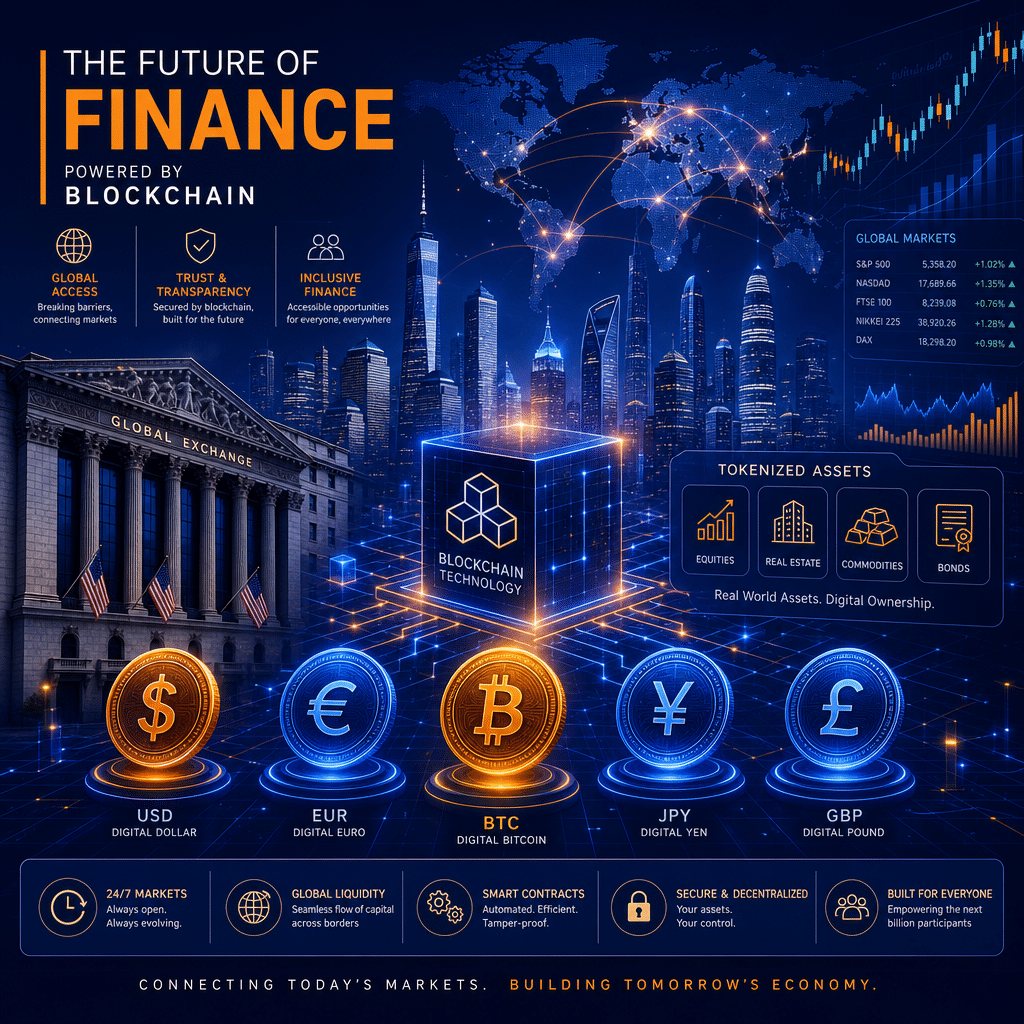
Blockchain Technology: The Future of Modern Finance
The landscape of global finance is facing a seismic shift as blockchain technology and digital assets promise to reshape how the world trades, invests, and manages money. Changpeng Zhao (commonly known as CZ), the influential founder of Binance, has led a vocal push for the adoption of blockchain platforms in mainstream finance. His appeal resonates not only with the tech-forward community but increasingly with regulatory and governmental officials in Asia and globally. This article explores the driving forces behind the call for blockchain-based stock exchanges, the potential rise of national stablecoins, and the fundamental transformation underway in both traditional and emerging markets.
Emergence of Tokenized Equities: Changing the Game
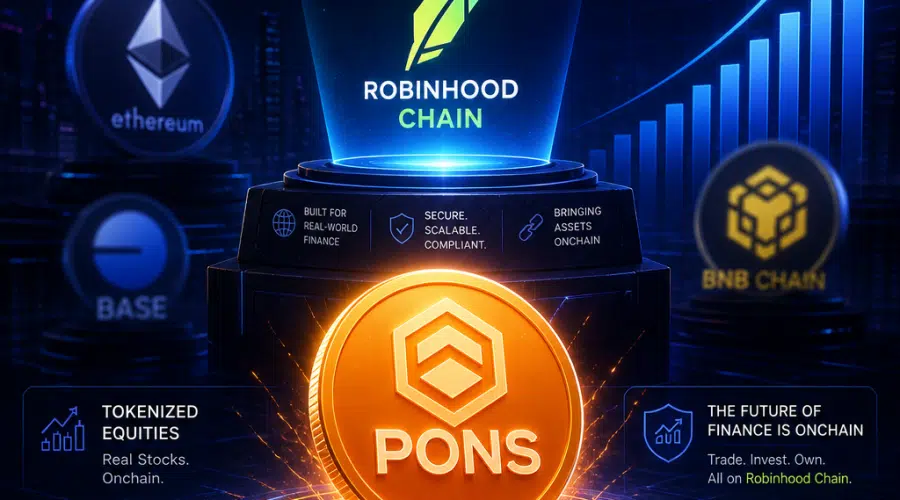
Changpeng Zhao’s advocacy comes at a critical time for global stock markets and traditional finance. Following in-depth discussions with government and financial officials across Asia, Zhao has taken to social media and international forums to push for the tokenization of equities and broader blockchain integration. This movement isn’t just a passing trend—it reflects a dramatic re-imagining of access, efficiency, and transparency in modern finance.
Traditional stock exchanges have long been the pillars of the financial world, but they are not without vulnerabilities. Settlement times often drag on for days, fees can be prohibitively high, and accessibility remains an issue, particularly for retail investors in emerging markets. Digitizing stocks—transforming them into easily tradable blockchain-based tokens—unlocks a number of compelling advantages.
Democratizing Access and Reducing Costs
By leveraging blockchain, individual investors can access global equity markets with unprecedented ease. Tokenized equities allow fractional ownership, enabling participants to buy portions of high-value stocks without the need for large capital outlays. This is particularly beneficial for small investors who might have otherwise been priced out of certain markets or blue-chip companies. Reduced reliance on intermediaries and shorter settlement cycles translate to lower transaction expenses, quicker turnaround, and fewer points of failure.
24/7 Trading and Real-Time Settlement
Unlike traditional exchanges that adhere to strict operating hours, blockchain platforms provide continuous, global access. This means that trading does not pause at the end of a business day—investors can respond in real time to world events, financial news, or market movements. Instant settlement, a stark improvement from the delayed T+2 (trade date plus two days) process, further drives efficiency and reduces credit and counterparty risks.
The Case for National Stablecoins
While the financial world has enthusiastically embraced US dollar-backed stablecoins, Zhao believes that the focus needs to expand. Today, dollar-pegged digital currencies such as USDT and USDC dominate—with dollar-backed assets controlling as much as 99% of the global stablecoin market, as reported by DefiLlama. This raises concerns about over-reliance on a single currency standard in the decentralized finance ecosystem.
Zhao advocates for governments worldwide to introduce their own fiat-backed stablecoins—tokens pegged to their national currencies. The benefits are manifold: enhanced sovereignty over monetary policy, greater resilience in global financial markets, and expanded local-currency usage across digital and on-chain environments. For countries seeking to modernize their economies while maintaining control over domestic money supply, national stablecoins open a promising avenue.
Impacts on Monetary Policy and Financial Inclusion
Government-issued stablecoins could revolutionize how nations manage their economies. With transparent and programmable monetary systems, central banks could more effectively track money supply, implement policy, and ensure compliance. At the same time, offering digital alternatives boosts financial inclusion by extending reliable financial services to the unbanked and underbanked in emerging markets. This democratization of finance stands to fundamentally reshape citizens’ relationships with money and government.
Exponential Growth in Tokenized Real-World Assets
The rise of tokenized real-world assets underscores the growing momentum behind blockchain adoption. According to RWA.xyz, the value of tokenized assets exploded from $6 billion to $32 billion in the span of a year—a testament to both increased confidence in blockchain solutions and the rapid digitization of traditional wealth. Analysts at Boston Consulting Group forecast that the market for tokenized assets could reach a staggering $16 trillion by 2030, spanning real estate, equities, commodities, and even fine art.


- Tokenized real-world assets reached $32 billion by mid-2026.
- The tokenized asset market is expected to hit $16 trillion by 2030.
- Dollar-backed stablecoins currently dominate 99% of the market.
This rapid scaling suggests an urgent need for robust infrastructure, clear regulatory frameworks, and broad education to guide both retail and institutional investors through the new landscape.
Governments and Crypto: Growing Collaboration and Adoption
Governments worldwide are taking notice of these transformational trends. Changpeng Zhao has become an important adviser to officials in markets such as Pakistan, while also making significant contributions to the financial dialogs of Kyrgyzstan and Kazakhstan. These partnerships signal the increasing intersection of blockchain innovation with public policy and national economic agendas.
In countries across Asia and emerging markets, a shift is already underway. Data from Binance indicates that users—especially in regions with volatile currencies or limited banking infrastructure—are quickly adopting stablecoins for daily use. This adoption is blurring the lines between traditional banking systems and the newer, decentralized financial frameworks made possible by blockchain.
The Roadblocks Ahead
Despite this momentum, many challenges remain. Integrating national stock exchanges with blockchain technology requires significant regulatory overhaul, coordination between stakeholders, and robust cybersecurity measures. Resistance may come from legacy institutions wary of disruption, or from governments concerned about ceding monetary control to decentralized platforms.
Moreover, mass adoption of local-currency stablecoins will require overcoming the dominance of dollar-backed assets, assuring users of security and stability, and building trust in new digital frameworks.
The Road to a Blockchain-Based Financial World
As early-stage pilots and policy initiatives progress, the vision articulated by leaders like Changpeng Zhao offers a compelling glimpse into the next era of finance—one that is more open, resilient, and democratized. The convergence of tokenized assets, accessible digital platforms, and trusted stablecoins promises not only to modernize finance but also to broaden participation and opportunity globally.
Whether governments and institutions can move swiftly enough to seize the momentum remains to be seen. What is certain, however, is that blockchain-driven finance is no longer on the periphery. It is quickly becoming a cornerstone of the future economic infrastructure—fueling growth, innovation, and inclusion for an increasingly digital world.