

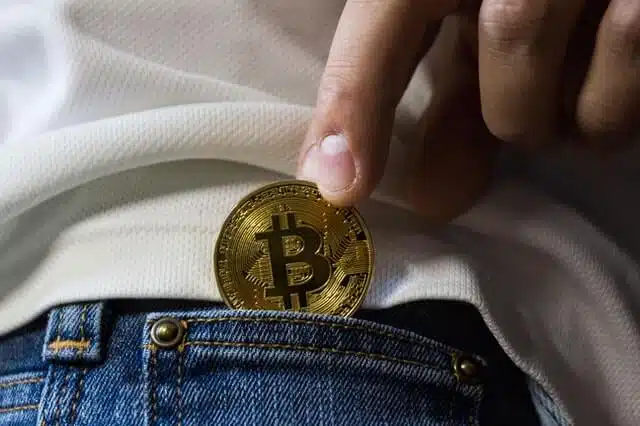
Bitcoin is simple in theory and easy to misuse in practice.
If you want to know how to use Bitcoin, the short version is this: you need a wallet, some BTC, and a clear idea of what you are trying to do with it. Most people use Bitcoin in one of three ways: to hold it, to send it, or to pay with it where merchants accept it.
This guide walks through the basics without the usual jargon overload. If you want the broader market context, start with our crypto trading guide.
What is Bitcoin?
Bitcoin is a decentralized digital currency launched in 2009. It lets people send value over the internet without relying on a bank or payment company to approve every transaction.
The network runs on open-source software and is maintained by a global mix of nodes and miners. Bitcoin also has a fixed maximum supply of 21 million coins, which is one reason many users view it as a scarce digital asset rather than just an online payment method.
That said, Bitcoin is not magic money. Transactions are public on the blockchain, fees can rise when the network is busy, and price volatility is still a major part of the picture.
How to use Bitcoin in 5 practical steps
1. Choose a Bitcoin wallet
A wallet is the tool you use to store, send, and receive Bitcoin. Some wallets are mobile apps, some are desktop programs, and some are hardware devices kept offline for stronger security.
For beginners, a mobile wallet is usually the easiest place to start. If you plan to hold larger amounts for longer periods, a hardware wallet is generally the safer option.
When setting up a wallet, pay close attention to your recovery phrase. If you lose it, you may lose access to your Bitcoin. If someone else gets it, they can potentially take your funds.
2. Buy or receive BTC
Once your wallet is ready, you can get Bitcoin in a few common ways:
- Buy it through a regulated crypto exchange or broker
- Receive it from another person
- Accept it as payment for goods or services
If you buy through an exchange, many users move their BTC to a personal wallet rather than leaving everything on the platform. That reduces counterparty risk, but it also means you are responsible for your own security.
3. Learn the difference between your address and your wallet
Your wallet can generate Bitcoin addresses. Think of an address like a destination for receiving funds. You share the address, not your recovery phrase or private keys.
Before sending or receiving Bitcoin, double-check the address carefully. Crypto transactions are usually irreversible. A typo is not a customer support ticket. It is often just a loss.
4. Send Bitcoin
To send BTC, enter the recipient’s address, choose the amount, review the network fee, and confirm the transaction.
Fees vary depending on network demand. Higher fees can help a transaction confirm faster. Lower fees may mean a longer wait.
If you are sending Bitcoin for the first time, it is smart to test with a small amount before moving a larger balance.
5. Use Bitcoin for holding, payments, or transfers
After you have BTC, you can use it in a few practical ways:
- Hold it as a long-term speculative asset
- Send money to another wallet
- Pay merchants that accept Bitcoin
- Move funds internationally without using traditional banking rails
Some users also use the Lightning Network for smaller and faster Bitcoin payments, though support depends on the wallet and merchant.
Main ways people use Bitcoin
Holding Bitcoin
Many people buy Bitcoin to hold it rather than spend it. The idea is usually tied to scarcity, decentralization, and the belief that Bitcoin may preserve value over the long term better than some fiat currencies.

That view is common, but it is not guaranteed. Bitcoin remains volatile, and anyone using it as a store of value needs to be comfortable with sharp price swings.
Sending money
Bitcoin can be used to send funds directly from one wallet to another, including across borders. That is one of its clearest real-world use cases.
The trade-off is that Bitcoin’s base layer is not built for cheap, instant micro-payments in every situation. Confirmation times and fees can vary, especially during periods of heavy network activity.
Paying for goods and services
Some merchants accept Bitcoin directly, and some payment processors let businesses accept BTC while settling in local currency.
For everyday spending, the experience depends on the merchant, the wallet, and whether Lightning payments are supported. Bitcoin can work for payments, but it is not always the smoothest option for small retail purchases.
What you need to know before using Bitcoin
Bitcoin transactions are not the same as bank transfers
There is no central authority that can usually reverse a mistaken Bitcoin payment. That is part of the appeal, but it also means you need to be careful.
Security is your responsibility
If you self-custody your BTC, security matters more than convenience. Use strong passwords, enable two-factor authentication where relevant, and never share your recovery phrase.
If you want to improve your market timing rather than just buying blindly, tools like the AltAlgo indicator can help you analyse entries and exits more systematically.
Fees and speed can change
Bitcoin does not have a fixed transaction fee in practice. Costs depend on network congestion and the urgency of your transaction. For small transfers, that can make timing matter.
Tax and regulation still apply
Using Bitcoin does not remove your tax obligations. In many jurisdictions, buying, selling, spending, or converting BTC can create a taxable event. Check the rules where you live before assuming anything.
Advantages of using Bitcoin
- Permissionless access: you do not need a bank account to hold or send BTC
- Global transfers: Bitcoin can be sent across borders without traditional banking hours
- Decentralization: no single company or government controls the network
- Scarcity: the fixed supply is a key part of Bitcoin’s appeal
- Strong network security: Bitcoin remains the most established crypto network by market relevance and infrastructure depth
Disadvantages of using Bitcoin
- Volatility: BTC prices can move sharply in short periods
- Irreversible transactions: mistakes can be costly
- Variable fees: sending small amounts is not always efficient on the base layer
- Learning curve: wallets, addresses, and self-custody take time to understand
- Regulatory and tax complexity: rules differ by country and can change
Best practices for beginners
- Start with a small amount
- Use a reputable wallet or exchange
- Back up your recovery phrase offline
- Test transactions before sending large amounts
- Do not treat Bitcoin like a guaranteed profit machine or a guaranteed hedge
If your interest in Bitcoin is more trading-focused than payments-focused, you can also explore AltSignals trading signals for broader crypto market coverage.
Final thoughts
Using Bitcoin is not complicated once you understand the basics. The real challenge is using it safely.
Pick a wallet that fits your needs, learn how addresses and fees work, and start small. Bitcoin can be useful for holding, transferring value, and making payments in the right setup, but it works best when you respect the risks as much as the upside.
FAQ
Do I need a wallet to use Bitcoin?
Can I use Bitcoin for everyday purchases?
Sometimes. It depends on whether the merchant accepts Bitcoin directly or through a payment processor. For small payments, the Lightning Network may offer a smoother experience when supported.
Is using Bitcoin anonymous?
Not fully. Bitcoin is better described as pseudonymous. Wallet addresses are visible on the blockchain, and activity can sometimes be linked back to real identities through exchanges or other data.
What happens if I send Bitcoin to the wrong address?
In most cases, the transaction cannot be reversed. That is why it is essential to double-check addresses and send a small test payment first when possible.














Yes. You need a wallet to receive, store, and send Bitcoin. Some people keep BTC on an exchange, but a personal wallet gives you more control.