

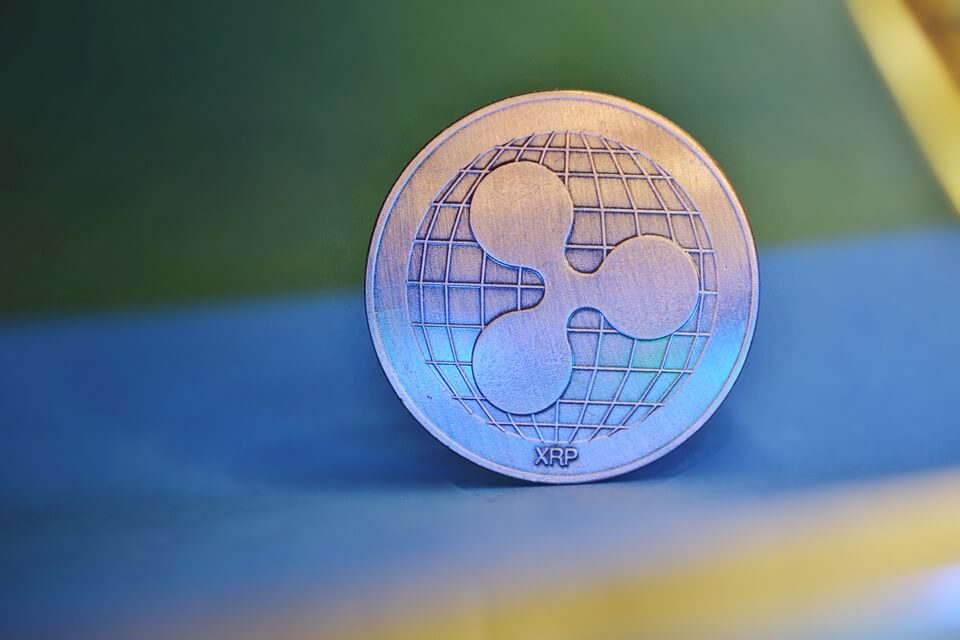
Want to buy XRP but not sure which platform makes sense? Start with the basics: the best place to buy XRP depends on where you live, how you want to pay, and whether you plan to hold it or trade it.
For most people, a regulated crypto exchange is the simplest route. Peer-to-peer marketplaces can work if you need more payment flexibility, and crypto ATMs may be useful in limited cases, though they are usually the least cost-efficient option.
This guide breaks down the main ways to buy XRP, what to check before choosing a platform, and the common mistakes beginners make.
Where can you buy XRP?
You can usually buy XRP through three main routes:
- Crypto exchanges for the widest choice, better liquidity, and easier trading tools
- Peer-to-peer platforms for flexible payment methods and direct deals with other users
- Crypto ATMs for in-person purchases where available
In practice, exchanges are still the default option for most buyers. They tend to offer better pricing, clearer order execution, and stronger security features than the alternatives.
What to check before choosing an XRP platform
Before opening an account anywhere, check these points first:
- Regional availability: XRP access can vary by country and platform.
- Payment methods: Bank transfer, debit card, credit card, and third-party payment rails all come with different fees.
- Trading fees and spreads: A platform with “easy buy” features may be convenient, but often costs more.
- Withdrawals: Make sure you can move your XRP to a private wallet if you want full custody.
- Security: Look for two-factor authentication, withdrawal protections, and a solid operating history.
- Liquidity: Better liquidity usually means smoother execution and less slippage.
If you are new to the market, it also helps to understand the wider mechanics of crypto trading before choosing a platform purely on brand recognition.
1) Cryptocurrency exchanges
For most users, cryptocurrency exchanges are the easiest and most practical place to buy XRP.
These platforms connect buyers and sellers, handle order matching, and usually support multiple ways to fund an account. Depending on the exchange, you may be able to buy XRP instantly with a card or place a market or limit order after depositing funds.
Well-known exchanges that may offer XRP access in supported regions include Binance, Coinbase, Kraken, and Bitstamp. Availability can change, so always verify support in your jurisdiction before signing up.
Why exchanges are usually the best option:
- Simple onboarding for beginners
- Better liquidity than most alternatives
- Access to spot trading tools
- Clearer pricing than many ATM options
- Easier portfolio management if you hold multiple assets
Potential downsides:
- Identity verification is often required
- Card purchases can carry higher fees
- Some platforms restrict XRP in certain regions
If your goal is simply to buy and hold XRP, a beginner-friendly exchange with bank transfer support is often the cleanest route. If you plan to trade actively, look more closely at fees, order types, and liquidity.
How to buy XRP on an exchange
- Create an account with a platform that supports XRP in your country.
- Complete any required identity verification.
- Deposit funds using your preferred payment method.
- Search for XRP and choose your order type.
- Review fees, spreads, and the final amount you will receive.
- Buy XRP and decide whether to keep it on the exchange or withdraw it to a wallet.
If you plan to trade XRP rather than just hold it, tools like the AltAlgo indicator can help you analyse entries and exits more systematically.
2) Peer-to-peer XRP buying
Peer-to-peer, or P2P, platforms match buyers and sellers directly. Instead of buying from the platform itself, you buy from another user using an agreed payment method.
This route can be useful if you want more flexibility with payment options or if exchange access is limited where you live. Some platforms provide escrow services to reduce counterparty risk during the transaction.
Why some buyers use P2P:
- More payment choices
- Direct negotiation with sellers
- Useful in regions with fewer exchange options
Main risks to watch:
- Higher scam risk than major exchanges
- Less consistent pricing
- Slower transactions depending on the payment method
If you use a P2P marketplace, stick to sellers with strong histories, completed trades, and clear terms. Never move outside the platform’s escrow process just to save a few minutes. That shortcut tends to get expensive.
3) Cryptocurrency ATMs
Crypto ATMs are another possible way to buy digital assets, including XRP in some locations. These machines let users purchase crypto in person, usually with cash or card, depending on the operator.
They can be convenient, but they are rarely the first choice for cost-conscious buyers. Fees are often higher than on exchanges, and XRP support is much less common than support for assets like Bitcoin.
ATMs may suit you if:
- You want an in-person purchase option
- You only need a small buy
- You have limited access to exchanges
But keep in mind:
- Availability is limited
- Fees can be steep
- Exchange rates may be less competitive
If you are checking ATM availability, use a reputable directory and confirm that the machine supports XRP specifically before travelling to it.
Is XRP the same as Ripple?
Not exactly. XRP is the digital asset. Ripple is the company associated with payment technology that has historically used XRP in parts of its ecosystem.
People often search for “where to buy Ripple,” but what they are usually looking for is where to buy XRP.
Should you keep XRP on an exchange?
That depends on what you are doing with it.
If you trade frequently, keeping some XRP on an exchange may be practical. If you are buying to hold for the longer term, many users prefer moving funds to a private wallet for greater control over custody.
Either way, basic security matters:
- Use a strong unique password
- Enable two-factor authentication
- Double-check wallet addresses before withdrawals
- Be cautious with phishing emails and fake apps
Best option for most buyers
If you want the short version, here it is:
A reputable crypto exchange is usually the best place to buy XRP.
It gives you the best balance of convenience, liquidity, and usability. P2P platforms can help in specific situations, and ATMs are more of a niche backup option than a default choice.
If you are planning to trade XRP alongside other crypto assets, you can also explore AltSignals trading signals for broader market coverage and trade ideas.
Final thoughts
Buying XRP is straightforward once you narrow the choice down to the platform type that fits your needs. For most users, that means starting with an exchange, comparing fees and payment methods, and checking whether XRP is supported in their region.
The key is not just finding somewhere to buy XRP. It is finding somewhere that is available, reasonably priced, secure, and suitable for how you actually plan to use it.
FAQ
What is the best place to buy XRP?
Can you buy XRP with a debit or credit card?
Yes, many exchanges let users buy XRP with a debit or credit card. It is usually fast, but card purchases often come with higher fees than bank transfers.
Is it safe to buy XRP on a peer-to-peer platform?
It can be, but it carries more risk than using a major exchange. If you use P2P, choose sellers with strong reputations and keep the transaction inside the platform’s escrow system.
Can you buy Ripple or XRP?
The asset you buy is XRP. Many people still search for “Ripple,” but exchanges list the token as XRP.


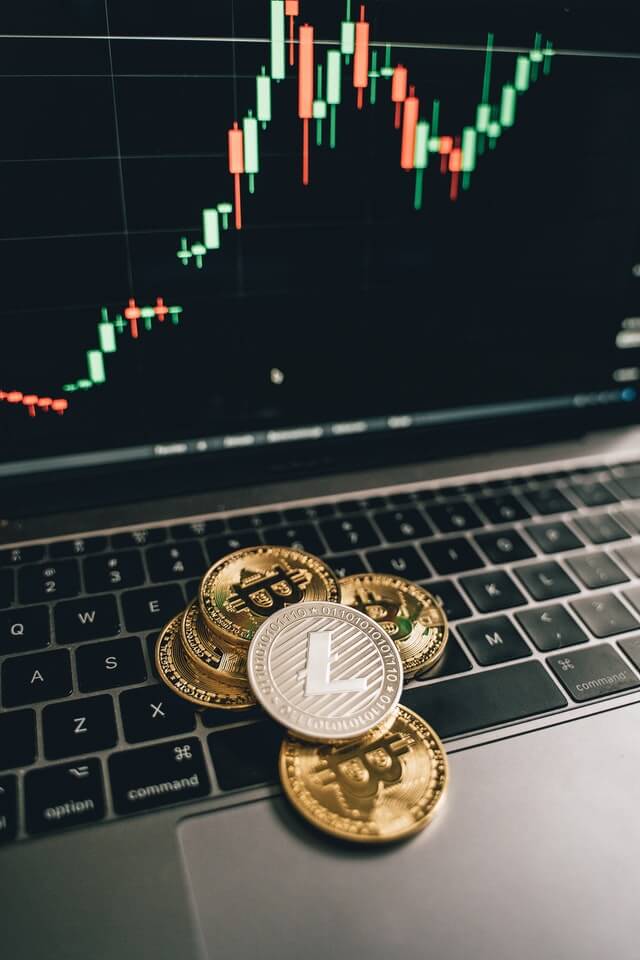







For most people, the best place to buy XRP is a reputable crypto exchange that supports their country, preferred payment method, and withdrawal needs. The exact platform depends on your region and whether you want to invest, trade, or transfer XRP to a private wallet.