

OpenSea is one of the best-known NFT marketplaces. It lets users discover, buy, sell, and create blockchain-based digital assets, including art, collectibles, gaming items, domain names, and other tokenized items.
If you are new to NFTs, OpenSea is often one of the first platforms you will come across. It is relatively simple to browse, connects to popular crypto wallets, and gives you a practical look at how NFT marketplaces work in the real world.
That said, ease of access does not remove the risks. NFT prices can be highly volatile, liquidity can disappear quickly, and ownership of a token does not always mean ownership of the underlying intellectual property. Treat OpenSea as a marketplace tool, not a shortcut to profits.
Disclaimer: The information shared by AltSignals and its writers should not be considered financial advice. This is for educational purposes only. We are not responsible for any investment decision you make after reading this post. Never invest more than you are able to lose. If needed, speak to a qualified financial advisor.
What are NFTs?
NFT stands for non-fungible token. In simple terms, it is a unique token recorded on a blockchain that can represent ownership of a digital or tokenized item.
Unlike cryptocurrencies such as Bitcoin or Ether, NFTs are not interchangeable on a one-for-one basis. One NFT can have different traits, rarity, utility, or provenance from another. That uniqueness is what makes them useful for digital art, collectibles, in-game assets, memberships, and similar use cases.
NFTs became widely known through early projects such as CryptoKitties, and the market later expanded into profile-picture collections, gaming assets, virtual land, music, and creator-led communities. The hype brought in a lot of attention, but it also showed how speculative this market can be.
If you want a broader foundation before looking at marketplaces, it helps to start with our crypto trading guide.
What is OpenSea?
OpenSea is a marketplace for onchain assets. It is best known for NFT trading, but the core idea is straightforward: buyers can browse listings, sellers can list assets for sale, and creators can launch collections that users can trade on supported blockchain networks.
Instead of opening a traditional account in the same way you would on a standard ecommerce site, users typically connect a crypto wallet. That wallet is used to sign actions such as listing an item, making an offer, or completing a purchase.
OpenSea has historically supported a range of NFT categories, including:
- digital art
- collectibles
- gaming items
- profile-picture collections
- domain-style blockchain assets
- virtual world items
The platform also gives creators tools to launch collections and set royalty preferences, although royalties and marketplace enforcement have changed across the NFT industry over time. That is worth checking carefully on the platform itself before buying or minting anything.
How OpenSea works
At a high level, OpenSea works like a marketplace layer on top of blockchain networks.
- Connect a wallet: Users usually connect a wallet such as MetaMask or another supported wallet.
- Browse collections: You can search by category, collection, price, chain, or traits.
- Buy or make an offer: Some items are listed at a fixed price, while others accept bids or offers.
- List an NFT for sale: Sellers choose pricing, duration, and listing terms.
- Confirm onchain actions: Transactions may require wallet signatures and, depending on the chain, network fees.
That last point matters. Even when the marketplace feels simple, the transaction still depends on blockchain infrastructure. If network fees are high or you sign the wrong transaction, the experience can get expensive very quickly.
What can you find on OpenSea?
OpenSea hosts a wide range of digital assets. The exact mix changes with market trends, but common categories include art, collectibles, gaming assets, virtual land, and branded or community-based collections.
Examples of what users may find include:
- 1/1 digital artwork from independent creators
- large NFT collections with rarity traits
- in-game items and character assets
- virtual world land parcels
- domain-related blockchain assets
- membership or access-style NFTs
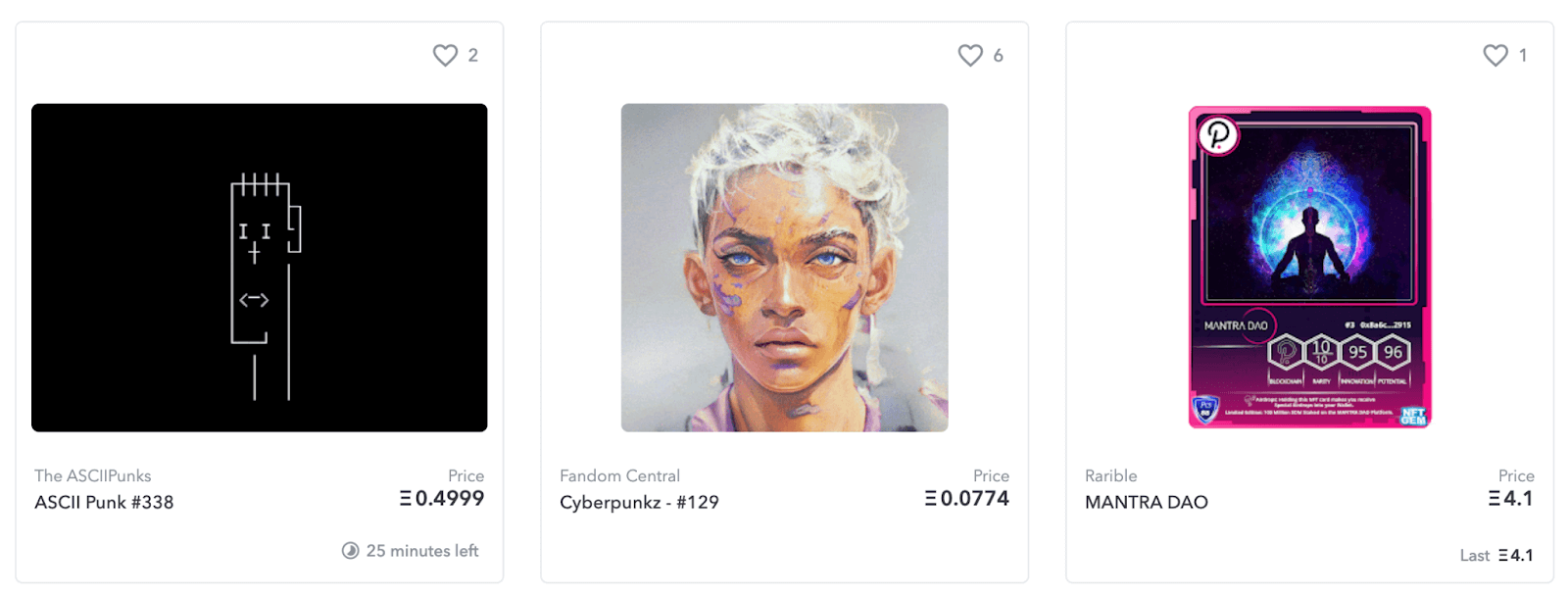
In earlier NFT cycles, names like CryptoKitties and Decentraland helped define the space. Today, the broader lesson is more useful than any single collection: OpenSea shows how digital ownership, speculation, and creator economies intersect.
Do you need an account to use OpenSea?
In most cases, you can browse OpenSea without signing in. To buy, sell, or create assets, you usually need to connect a compatible wallet.
This wallet-based setup is one reason many users describe OpenSea as easier to access than older crypto tools. Still, “easy” is relative. You should understand basic wallet security before doing anything onchain.
At minimum, that means:
- never sharing your seed phrase
- double-checking wallet prompts before signing
- verifying collection links carefully
- being cautious with direct messages and fake support accounts
NFT scams are common, and they are often more convincing than beginners expect.
Key risks to understand before using OpenSea
OpenSea is a marketplace, not a guarantee of quality. Before buying anything, keep these risks in mind:
- Price volatility: NFT prices can rise fast and fall even faster.
- Low liquidity: You may not be able to resell an NFT when you want to.
- Scams and impersonation: Fake collections and phishing links remain a major risk.
- Rights confusion: Owning an NFT does not automatically give you copyright or commercial rights.
- Fees: Marketplace fees and blockchain network fees can affect the real cost of trading.
For a broader view of risk across crypto markets, see our AltSignals trading signals page. It is not NFT-specific, but it does help frame the bigger picture around market discipline and decision-making.
Is OpenSea good for beginners?
OpenSea can be beginner-friendly compared with more technical onchain tools, mainly because the interface is familiar and browsing is straightforward. But beginners still need to understand wallets, transaction approvals, and the difference between hype and actual demand.
A sensible approach is to treat your first interaction as a learning exercise. Browse collections, study how listings work, and understand the fees before committing funds. That is much better than buying the first shiny JPEG that appears on your screen. Harsh, but fair.
Final thoughts
OpenSea is one of the main gateways into the NFT market. It gives users a simple way to explore digital collectibles and other tokenized assets, while also showing how blockchain-based marketplaces operate.
For beginners, it can be a useful starting point. Just remember that convenience does not remove risk. NFTs remain speculative, and the quality of assets listed on any marketplace varies widely. Learn the mechanics first, protect your wallet, and avoid treating marketplace popularity as proof of value.
FAQ
What is OpenSea used for?
Is OpenSea free to use?
Browsing is generally free, but buying, selling, or listing assets can involve marketplace fees and blockchain network fees. The exact cost depends on the asset, the chain, and the transaction type.
Do you need crypto to buy on OpenSea?
In many cases, yes. Purchases are typically made using supported crypto assets through a connected wallet. The exact payment options depend on the listing and the blockchain involved.
Is OpenSea safe?
OpenSea itself is a widely known marketplace, but users still face risks such as phishing, fake collections, wallet scams, and volatile prices. Safe use depends heavily on your own wallet security and verification habits.
Does owning an NFT mean you own the copyright?
Not necessarily. NFT ownership usually means you own the token, but copyright and commercial usage rights depend on the terms set by the creator or collection. Always check the project details before buying.






OpenSea is mainly used to browse, buy, sell, and create NFTs and other onchain digital assets. Users connect a crypto wallet and interact with listings through supported blockchain networks.