

Crypto and forex are both tradable markets, but they behave very differently. If you are trying to decide between them, the real question is not which one is “better.” It is which one fits your risk tolerance, schedule, and trading style.
Forex is usually more liquid, more regulated, and often easier to structure around a plan. Crypto is open 24/7, tends to move faster, and can offer bigger short-term swings, but that comes with higher risk. For some traders, that volatility is the appeal. For others, it is exactly what they should avoid.
Disclaimer: The information shared by AltSignals and its writers is for educational purposes only and should not be considered financial advice. We are not responsible for any investment decision you make after reading this post. Never risk more than you can afford to lose, and consider speaking with a qualified financial adviser before trading.
Cryptocurrency or forex: which should you trade?
If you want a simple answer, here it is:
- Forex may suit you better if you want tighter spreads, deeper liquidity, more established market structure, and a market built around major global currencies.
- Crypto may suit you better if you are comfortable with higher volatility, want 24/7 access, and prefer trading digital assets with larger price swings.
Neither market is automatically more profitable. Profit depends on your strategy, discipline, risk management, and execution. A volatile market can create opportunity, but it can also punish bad habits much faster.
If you are still building your foundation, it helps to start with a broader crypto trading guide and compare that with how currency markets work in practice.
What is forex trading?
The forex market is where one currency is exchanged for another. Traders usually deal in pairs such as EUR/USD, GBP/USD, or USD/JPY. When you trade a forex pair, you are speculating on whether one currency will strengthen or weaken against the other.
Forex is the largest financial market in the world by trading volume. It is widely used by banks, institutions, businesses, and retail traders. That scale matters because it usually means strong liquidity in major pairs and relatively efficient pricing.
Forex traders often focus on macroeconomic data, central bank decisions, interest rate expectations, and technical analysis on highly liquid pairs.
In practical terms, forex tends to reward structure. Sessions matter. News matters. Risk management matters even more when leverage is involved.

What is cryptocurrency trading?
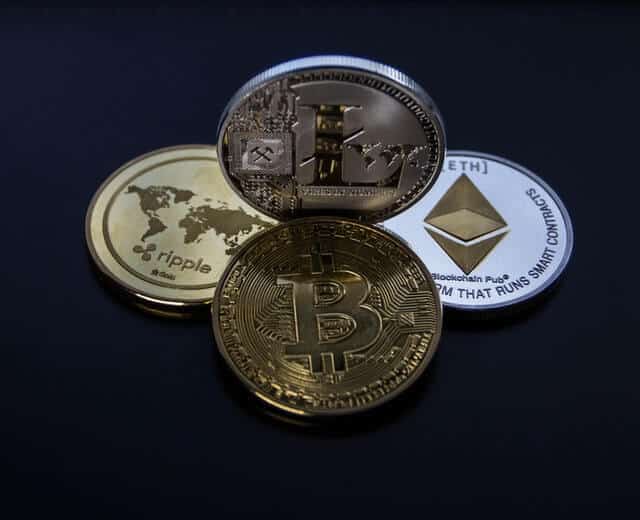
Cryptocurrency trading involves buying and selling digital assets such as Bitcoin and Ethereum on crypto exchanges or trading platforms. Unlike forex, crypto markets run around the clock, including weekends.
That constant access is convenient, but it also changes the trading experience. Price moves can be sharp, sentiment can shift quickly, and liquidity can vary a lot depending on the asset. Bitcoin and Ethereum are not the same as smaller altcoins, and treating them as one market is a common beginner mistake.
Crypto traders often pay attention to market sentiment and momentum, on-chain or ecosystem developments, exchange liquidity, technical levels and breakout behaviour, and regulatory headlines.
Crypto can offer more dramatic moves than forex, but that does not make it easier. It usually means position sizing and emotional control matter even more.
Forex vs crypto: the main differences
1. Trading hours
Forex trades 24 hours a day during the business week, with activity concentrated around major sessions such as London and New York.
Crypto trades 24/7. That flexibility is useful, but it also means the market never really switches off.
2. Volatility
Forex major pairs usually move in smaller increments than crypto assets.
Crypto is generally more volatile, especially outside the largest coins. Bigger moves can create opportunity, but they also increase the chance of sharp losses.
3. Liquidity
Forex is typically deeper and more liquid in major pairs.
Crypto liquidity varies by exchange and asset. Large-cap coins can be liquid, while smaller tokens may have wider spreads and more slippage.
4. Regulation and market maturity
Forex is a mature market with established broker frameworks in many jurisdictions.
Crypto regulation is still evolving and differs widely by country. That can affect platform access, product availability, and trader protections. For example, the UK Financial Conduct Authority and the US Securities and Exchange Commission publish guidance and warnings around crypto-related risks.

5. Drivers of price movement
Forex is heavily influenced by interest rates, inflation, employment data, and central bank policy.
Crypto is influenced by adoption trends, regulation, market sentiment, network developments, and broader risk appetite.
6. Leverage and risk
Both markets can involve leverage, depending on the platform and jurisdiction. That can magnify gains, but it also magnifies losses. Beginners often focus on the upside and ignore how quickly leverage can damage an account. That part tends to get expensive.
Is crypto more profitable than forex?
Crypto can produce larger short-term percentage moves than forex, so on paper it may look more profitable. But higher volatility does not equal easier profits.
A trader who manages risk well in forex may outperform a reckless trader in crypto over time. The reverse can also be true. The better question is whether you can trade the market consistently without letting volatility, leverage, or overtrading take over.
If you want help spotting setups across both markets, AltSignals trading signals can be a practical next step. Used properly, signals can support your analysis, but they should not replace risk management or independent thinking.
Can you trade crypto like forex?
Yes, to a point. Many of the same trading principles apply in both markets:
- technical analysis
- trend identification
- support and resistance
- risk-reward planning
- position sizing
But the market structure is not identical. Forex is usually traded through brokers and is shaped by macroeconomic flows. Crypto is commonly traded through exchanges and can react more aggressively to sentiment, liquidity shifts, and platform-specific events.
So while you can trade crypto using a forex-style framework, you should not assume the same setup behaves the same way in both markets. If you want to sharpen your chart-reading process, the AltAlgo indicator may help you analyse momentum and trend conditions more consistently.
Is crypto considered forex?
No. Cryptocurrency is not the same as forex.
Forex refers to the foreign exchange market, where fiat currencies are traded against each other. Crypto refers to digital assets traded on crypto platforms or through crypto derivatives, depending on the venue and jurisdiction.
Some people use Bitcoin like a currency, and some countries have taken different legal approaches to digital assets. But from a trading and regulatory perspective, crypto and forex are still treated as separate markets in most cases.
Which market is better for beginners?
There is no universal answer, but this rule of thumb is useful:
- Forex may be better for beginners who want a more structured market and are willing to learn how macro events affect price.
- Crypto may be better for beginners who want flexible trading hours and exposure to digital assets they already follow closely.
That said, beginners usually struggle for the same reasons in both markets: too much leverage, poor risk control, and jumping into trades without a plan.
If you are new, start with one market, one strategy, and a clear risk limit. Trying to master everything at once is a reliable way to learn all the wrong lessons quickly.
Final thoughts
Choose forex if you want a more established market with deep liquidity and a stronger macro framework. Choose crypto if you are comfortable with faster moves, higher volatility, and a market that never sleeps.
Neither market is inherently easier. The better fit depends on how you trade, how much risk you can handle, and whether your strategy actually matches the market you are in.
The smartest move is usually not chasing the market with the biggest headlines. It is choosing the one you can understand, manage, and trade with discipline.
FAQ
Is forex safer than crypto?
Can beginners trade both crypto and forex?
Yes, but most beginners are better off starting with one market first. Learning one set of instruments, one routine, and one risk framework is usually more effective than splitting attention too early.
Do crypto and forex use the same analysis methods?
They share many tools, including chart patterns, support and resistance, and momentum analysis. The difference is in market behaviour. Crypto often reacts faster and more emotionally, while forex is more tied to macroeconomic data and central bank expectations.










In general, forex is often seen as less volatile and more mature than crypto, especially when trading major currency pairs. That does not make it safe by default. Leverage, poor execution, and weak risk management can make either market risky.