Bitcoin mining is the process that keeps the Bitcoin network running. Miners use specialised hardware to validate transactions, package them into blocks, and compete to add those blocks to the blockchain. In return, they earn newly issued BTC and transaction fees.
If you are asking how Bitcoin mining works in practice, the short answer is simple: miners use computing power to solve a proof-of-work puzzle, and the first miner to find a valid block earns the reward. The full picture is a bit more technical, but the core idea is security, verification, and incentives working together.
Disclaimer: the information shared by AltSignals and its writers should not be considered financial advice. This is for educational purposes only. We are not responsible for any investment decision you make after reading this post. Never invest more than what you are able to lose. Always contact your professional financial advisor.
What is Proof-of-Work (PoW)?
Bitcoin uses a consensus system called proof-of-work. That means the network relies on miners to contribute computing power in order to confirm transactions and secure the chain.
In simple terms, miners repeatedly run calculations until one of them finds a valid hash for the next block. That work is expensive because it requires dedicated ASIC machines and large amounts of electricity. The cost is part of what makes Bitcoin hard to attack.
This is also why Bitcoin mining matters beyond rewards. Miners help prevent double spending, keep transaction history consistent, and make it extremely difficult for any single actor to rewrite the blockchain.
Other cryptocurrencies may use alternatives such as proof-of-stake, where validators lock coins instead of using mining hardware. Bitcoin remains the best-known proof-of-work network.
What is Bitcoin Mining?
Bitcoin mining is the economic activity of processing and confirming transactions on the Bitcoin network. When users send BTC, those transactions wait to be included in a block. Miners collect those pending transactions and compete to confirm them.
Roughly every 10 minutes, the network produces a new block. Miners do not just add transactions at random. They usually prioritise transactions offering higher fees, especially when the network is busy and block space is limited.
Mining also strengthens Bitcoin’s security. The higher the total network hash rate, the more expensive it becomes to attempt a 51% attack. On a network as large as Bitcoin, that cost is generally considered prohibitively high.
How Does Bitcoin Mining Work?
Bitcoin mining starts with transactions entering the mempool, which is the waiting area for unconfirmed transactions. Miners select a batch of those transactions, build a candidate block, and then try to solve the proof-of-work puzzle for that block.
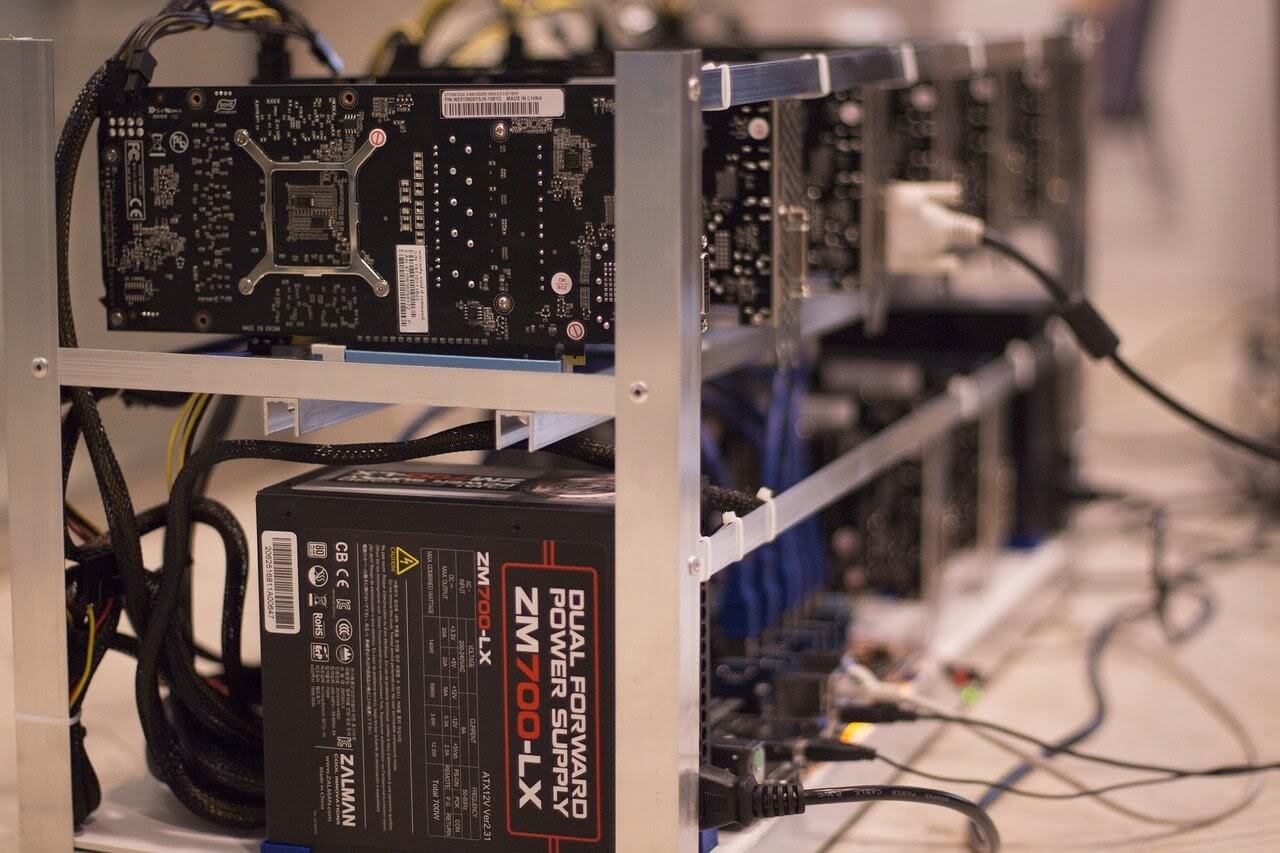
That puzzle involves finding a hash below the network’s current difficulty target. Since there is no shortcut, miners make trillions of guesses per second. The miner that finds a valid solution first broadcasts the block to the network, and if other nodes verify it, the block is added to the blockchain.
The winning miner receives two forms of compensation:
- the block subsidy, which is newly issued BTC
- the transaction fees included in that block
Bitcoin’s issuance schedule changes over time through halving events. After the 2024 halving, the block subsidy fell from 6.25 BTC to 3.125 BTC per block. Over time, transaction fees are expected to play a larger role in miner revenue.
Difficulty also adjusts automatically. If miners join the network and blocks are found too quickly, difficulty rises. If miners leave and blocks slow down, difficulty falls. This adjustment helps Bitcoin maintain an average block time of around 10 minutes.
What Hardware Do Bitcoin Miners Use?
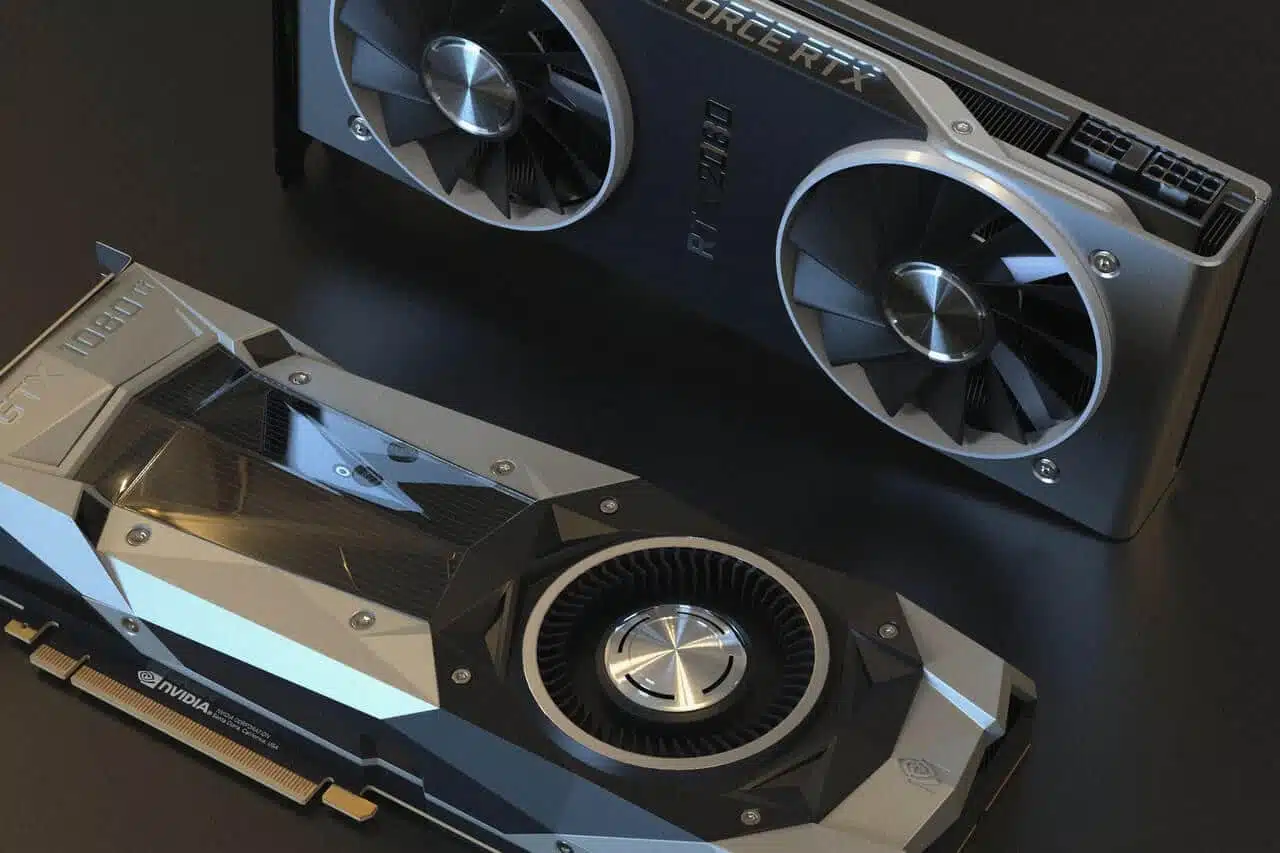
In Bitcoin’s early years, it was possible to mine with CPUs and later GPUs. That is no longer realistic for Bitcoin itself. Today, competitive mining is done with ASICs, which are machines built specifically for hashing the SHA-256 algorithm used by Bitcoin.
ASIC miners are expensive, noisy, and power-hungry. They also generate a lot of heat, which means cooling and ventilation matter almost as much as the machine itself. For most people, hardware cost and electricity cost are the two biggest barriers to entry.

Mining software connects the ASIC to the Bitcoin network or to a mining pool, manages work assignments, and reports performance such as hash rate, temperature, and uptime.
Do Bitcoin Miners Usually Mine Alone?
Most miners do not mine alone. They join mining pools, where many participants combine hash power and share rewards based on their contribution. Pool mining reduces variance, which means miners receive smaller but more regular payouts instead of waiting a long time for a solo block win.
Mining pools charge fees, so they reduce gross returns slightly. Even so, for smaller operators they are usually the only practical way to participate consistently.
How Long Does it Take to Mine 1 Bitcoin?
This question is often misunderstood. A new Bitcoin block is mined roughly every 10 minutes, but no single miner is guaranteed to earn 1 BTC in that time.
Since the current block subsidy is 3.125 BTC per block, a successful block produces more than 1 BTC in total rewards before fees are added. But those rewards go to the miner or pool that finds the block, and then get split according to pool rules and operating costs.
For an individual miner, the time needed to earn the equivalent of 1 BTC depends on hash rate, mining difficulty, pool fees, electricity costs, hardware efficiency, and Bitcoin’s market price. For small miners, it can take a very long time, and profitability is never guaranteed.
How to Start Bitcoin Mining
If you want to start mining Bitcoin, begin with the economics rather than the hardware. A mining calculator can help you estimate potential revenue based on your machine’s hash rate, power consumption, electricity price, and current network difficulty.
From there, the usual steps are:
- choose an ASIC miner
- check your electricity rate and cooling setup
- decide whether to mine through a pool
- set up a Bitcoin wallet for payouts
- install mining software and monitor performance
For many retail users, buying hardware is not the hardest part. Running it efficiently is. Heat, noise, maintenance, downtime, and local energy prices can quickly change the numbers.
Is Bitcoin Mining Worth It?
It depends on your setup. Bitcoin mining can be profitable for operators with efficient ASICs, low electricity costs, reliable cooling, and enough scale to manage overhead well. For small individual miners in high-cost regions, it is often much harder to make the numbers work.
Profitability can also change quickly. If Bitcoin’s price falls, network difficulty rises, or energy costs increase, margins can shrink or disappear. That is why mining should be treated as a business decision, not a guaranteed income stream.
There is also a cyclical side to the industry. During weaker market periods, some miners shut down older or less efficient machines because they are no longer profitable. This is often called miner capitulation. When that happens, network hash rate and difficulty can adjust over time, which may improve conditions for the miners that remain online.
If your main goal is to trade Bitcoin rather than operate mining hardware, it may be more practical to focus on market analysis, risk management, and execution. If you want a broader overview of the market, our crypto trading guide is a good next read. Traders who want market ideas can also explore AltSignals trading signals. For transparency, you can review our published trading results.
Final Thoughts
Bitcoin mining works because incentives, computing power, and network rules all reinforce each other. Miners validate transactions, secure the blockchain, and earn rewards for doing the work. The process is simple at a high level, but the economics are demanding in the real world.
For beginners, the key takeaway is this: mining is not just about generating BTC. It is the mechanism that helps Bitcoin stay decentralised, resistant to fraud, and operational without a central authority.