

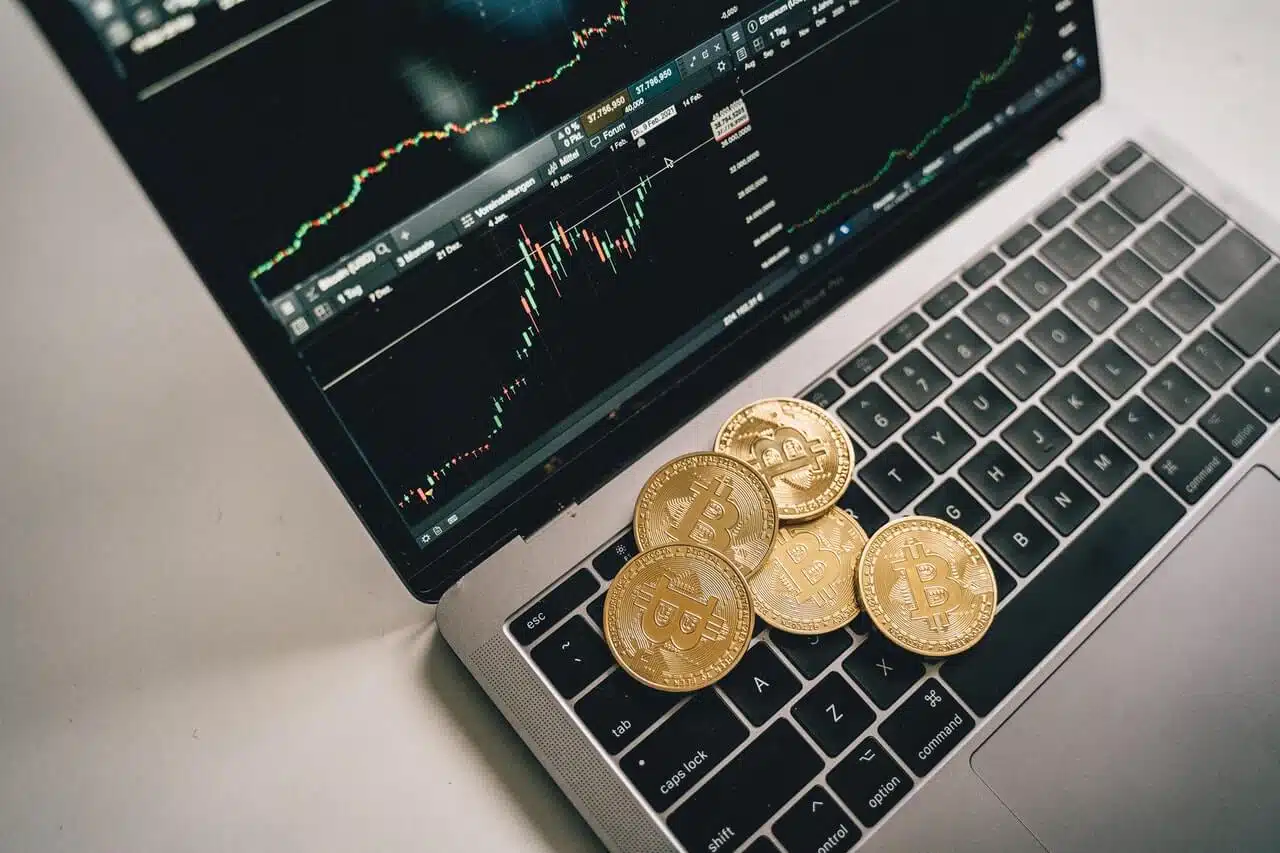
Forex and crypto are both popular trading markets, but they behave very differently once you get past the charts. If you are deciding where to focus, the real question is not just which market moves more. It is which market fits your risk tolerance, trading style, and understanding of how prices move.
At a glance, forex is the global market for fiat currencies such as the US dollar, euro, and yen. Crypto is the market for digital assets such as Bitcoin and Ethereum. Both offer trading opportunities, but they differ in volatility, liquidity, trading hours, regulation, and the types of participants involved.
This matters because a strategy that works in one market will not always translate cleanly to the other.
What is the forex market?
The forex market, or foreign exchange market, is where currencies are exchanged in pairs such as EUR/USD or GBP/USD. It is used by banks, multinational companies, governments, funds, and retail traders.
Unlike crypto, forex has a strong real-world utility base. Businesses use it to pay suppliers abroad, investors use it to hedge currency exposure, and central banks influence it through monetary policy. Retail traders then speculate on price movements within that much larger ecosystem.
That gives forex a different character. Price action is often driven by interest rates, inflation data, employment reports, central bank decisions, and broader macroeconomic sentiment.
If you trade forex, you are trading a market that is deeply tied to the global economy.
What is the cryptocurrency market?
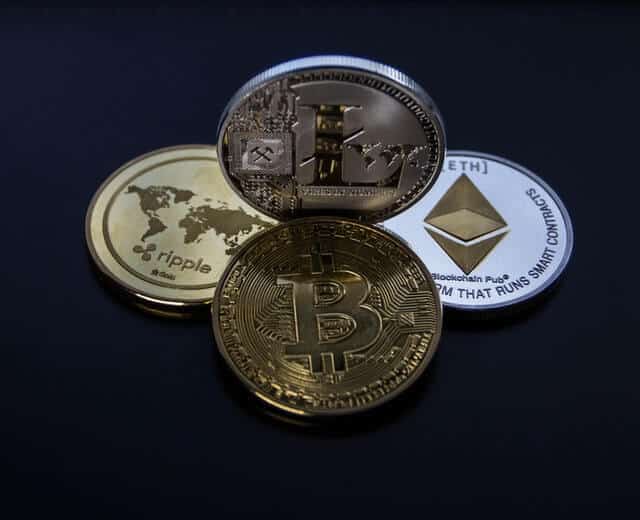
The cryptocurrency market is where digital assets such as Bitcoin, Ethereum, and other tokens are bought and sold. Some traders focus on major coins, while others trade smaller altcoins with thinner liquidity and sharper price swings.
Crypto has grown well beyond a niche market, but it still behaves differently from forex. A large share of activity is speculative, and sentiment can shift quickly based on regulation, exchange flows, macro news, token-specific developments, or simple risk appetite.
Crypto also has broader use cases than pure speculation. Some participants use it for payments, on-chain applications, staking, or access to decentralised finance. Even so, from a trading perspective, it remains a market where volatility is usually higher and price discovery can be less stable than in major forex pairs.
Forex vs crypto: the main differences
If you compare forex and crypto side by side, a few differences matter more than the rest.
1. Market size and liquidity
Forex is one of the most liquid markets in the world. Major currency pairs usually have deep order books and tight spreads, especially during active trading sessions.
Crypto liquidity varies much more. Bitcoin and Ethereum are relatively liquid, but many smaller coins can have wider spreads and more slippage. That can make entries and exits less predictable, particularly in fast-moving conditions.
2. Volatility
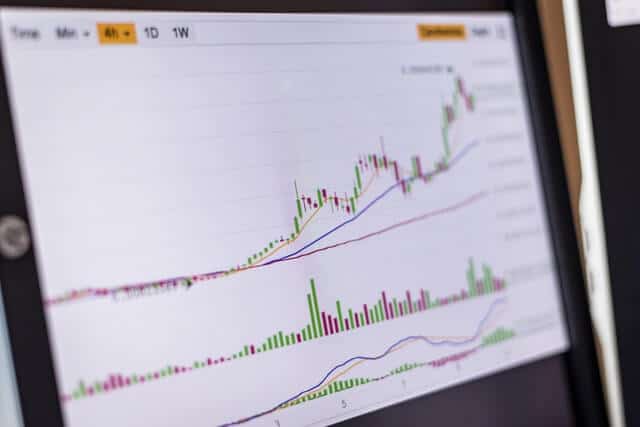
Crypto is generally more volatile than forex. Double-digit percentage moves in a short period are not unusual in crypto, especially outside the largest assets.
Forex can still move sharply around major news events, but most major pairs are usually less explosive on a day-to-day basis. For some traders, that makes forex easier to manage. For others, crypto’s larger swings are the attraction.
3. Trading hours
Forex effectively runs 24 hours a day during the trading week, typically from Monday to Friday, following the major global sessions.
Crypto trades 24/7. There is no weekend close, which creates more flexibility but also means the market never really sleeps. If you hold crypto positions overnight or over the weekend, price can move hard while you are away from the screen.
4. Regulation and market structure
Forex is a more mature market with established regulation in many jurisdictions. That does not remove risk, but it does mean the structure is generally more familiar and standardised.
Crypto regulation is still evolving and differs widely by country. Rules around exchanges, custody, stablecoins, derivatives, and token classifications can change quickly. That uncertainty can affect both market sentiment and access to certain products.
Regulators such as the UK Financial Conduct Authority and the US SEC have repeatedly warned that crypto assets carry high risk and may offer fewer protections than traditional financial products.
5. What moves the market
Forex is heavily influenced by macroeconomics. Interest rate expectations, inflation, GDP, labour data, and central bank guidance all matter.


Crypto reacts to macro conditions too, but it is also driven by exchange news, network activity, regulation, ETF-related headlines, token unlocks, and shifts in market sentiment. In practice, crypto can be more narrative-driven, while forex is often more data-driven.
6. Typical participants
Forex includes central banks, commercial banks, corporations, hedge funds, asset managers, and retail traders. That mix creates a market with broad institutional participation.
Crypto includes retail traders, proprietary firms, funds, miners, market makers, long-term holders, and increasingly institutions. But retail sentiment still plays a larger visible role than it does in forex.
Which market is better for beginners?
There is no universal winner here.
Forex may suit beginners who want tighter spreads, more established market structure, and price action that is often easier to connect to scheduled economic events. Major pairs can feel more orderly, at least compared with smaller crypto assets.
Crypto may appeal to beginners who want round-the-clock access, smaller starting capital, and exposure to a market they already follow closely. The trade-off is that crypto can punish poor risk management much faster.
If you are new to trading, the better choice is usually the market you can study properly and manage responsibly. Chasing the market with the biggest candles is rarely a great long-term plan.
Risk management matters more in crypto
Both markets are risky, but crypto usually demands stricter risk control. Wider swings mean stop-loss placement, position sizing, and leverage discipline become even more important.
In forex, traders often focus on session timing, economic calendars, and correlation between currency pairs. In crypto, traders also need to think about exchange risk, weekend volatility, liquidity gaps, and sudden sentiment reversals.
Whichever market you trade, risk should be defined before the trade is opened, not negotiated with yourself after price moves against you.
Forex vs crypto: which one should you trade?
A simple way to think about it:
- Forex may be a better fit if you prefer macro-driven markets, tighter spreads, and a more established trading environment.
- Crypto may be a better fit if you are comfortable with higher volatility, 24/7 trading, and faster-moving sentiment.
Some traders do both. They use forex for structured setups around economic events and crypto for higher-volatility opportunities. That can work, but only if you understand that the two markets do not behave the same way.
If you want a broader foundation before choosing, start with our crypto trading guide. If you are already trading and want help spotting setups across markets, you can also explore AltSignals trading signals.
Final thoughts
The biggest difference between forex and crypto is not just that one trades fiat and the other trades digital assets. It is that they are built on different market structures, different participants, and different drivers.
Forex is generally deeper, steadier, and more tied to the global economy. Crypto is faster, more volatile, and more sentiment-sensitive.
Neither market is automatically better. The better market is the one you understand well enough to trade with a plan.
FAQ
Is forex safer than crypto?
Can you use the same strategy for forex and crypto?
Some technical concepts carry over, but the same strategy will not always perform the same way. Crypto often needs wider risk parameters and more caution around sudden volatility, while forex is more sensitive to macro data and trading sessions.
Why is crypto more volatile than forex?
Crypto markets are smaller, sentiment shifts faster, and liquidity can be thinner outside the biggest assets. That combination can lead to larger price swings than you usually see in major forex pairs.
Is forex or crypto better for day trading?
It depends on your style. Forex may suit traders who prefer structured session-based movement and macro catalysts. Crypto may suit traders who want 24/7 access and larger short-term moves, but it usually comes with higher risk.












Forex is generally considered more stable than crypto because major currency pairs tend to have deeper liquidity and lower volatility. That said, both markets carry significant risk, especially when leverage is involved.