


Swipe (SXP) was built to make crypto easier to spend in the real world. At its core, the project aimed to connect digital assets with everyday payments through a wallet, card infrastructure, and a token used inside the ecosystem.
If you searched for “what is Swipe,” the short answer is this: Swipe is a crypto payments project, and SXP is the utility token associated with that ecosystem.
That said, this is also a project where context matters. Crypto platforms can evolve quickly, partnerships can change, and exchange support does not guarantee long-term success. So it makes more sense to understand what Swipe was designed to do, how SXP fits into the system, and what risks traders should keep in mind before treating it as a serious investment thesis.
Disclaimer: This article is for educational purposes only and should not be considered investment advice. Crypto assets are volatile and high risk. Never invest more than you can afford to lose, and speak to a qualified financial professional if you need personal advice.
What is Swipe?
Swipe is a blockchain-based payments project focused on bridging crypto and traditional spending. The idea was simple enough: let users hold crypto, manage it through a wallet, and in some cases spend it through card-linked payment products.
Projects in this category usually try to solve a practical problem. Owning crypto is one thing. Using it for payments, transfers, or day-to-day financial activity is another. Swipe positioned itself as part of that bridge between crypto infrastructure and consumer finance.
SXP is the native token tied to the Swipe ecosystem. Depending on the product design at a given time, utility tokens like SXP may be used for things such as:
- paying network or platform fees
- accessing certain ecosystem features
- staking or participation incentives
- governance or utility functions within supported products
In plain English: Swipe is the project, and SXP is the token that helps power parts of that project.
What was Swipe trying to achieve?
Swipe entered the market with a familiar crypto promise: make digital assets more usable outside pure speculation.
Its broader goal was to reduce friction between crypto holdings and traditional payments. Instead of forcing users to move funds across multiple services, the ecosystem aimed to offer a more integrated experience through wallet access, token utility, and payment rails.
That made Swipe relevant to a few different types of users:
- crypto holders who wanted easier spending options
- users interested in wallet-based asset management
- traders looking at exchange-backed ecosystem tokens
- speculators trying to identify adoption-driven utility plays
Whether that vision translated into durable value is a separate question. A good crypto idea is not always the same thing as a good long-term asset.
How does SXP work?
SXP has generally been described as a utility token within the Swipe ecosystem. Utility tokens are not the same as shares in a company. Their value usually depends on whether the underlying network, app, or payment system actually gets used.
In Swipe’s case, SXP has been associated with ecosystem functions such as fee usage, incentives, and access to platform-related features. Exact token mechanics can change over time, so traders should always verify the latest token details from official project documentation or major exchange research pages before making decisions.
That point matters because older crypto explainers often become outdated fast. Token burns, staking rules, governance rights, and platform integrations can all change.
Swipe and Binance: why the connection mattered
One reason Swipe attracted attention was its association with Binance. That relationship gave the project more visibility than many smaller crypto payment tokens ever get.
For traders, exchange backing or acquisition interest can matter for three reasons:
- it can improve awareness and liquidity
- it can increase short-term credibility
- it can create speculation around ecosystem growth
But it is worth keeping expectations realistic. A connection to a major exchange is not the same as a guarantee of adoption, token performance, or product-market fit. Crypto history is full of projects that looked strong on paper and still failed to maintain momentum.
Is Swipe safe?
“Safe” is the wrong word for most crypto projects unless you define what kind of safety you mean.
There are at least three separate questions:

- Platform security: Does the service use standard security controls, custody protections, and compliance measures?
- Token risk: Is SXP itself volatile, thinly traded, or dependent on ecosystem growth?
- Counterparty risk: Are you relying on a company, exchange, card issuer, or third-party infrastructure provider?
Older articles about Swipe often mention insurance arrangements, certifications, or exchange-linked protections. Those details can change, expire, or apply only to specific services rather than the token itself. That is why you should treat historical security claims carefully unless they are confirmed by current official sources.
More broadly, if you hold SXP or use any crypto payment platform, the main risks usually include:
- price volatility
- regulatory changes
- custody and wallet security issues
- product discontinuation or reduced support
- liquidity risk if market interest fades
If your goal is trading rather than long-term holding, risk management matters more than the project story.
What affects the price of SXP?
Like most exchange-listed utility tokens, SXP tends to be influenced by a mix of narrative and market structure rather than one clean fundamental model.
Common drivers include:
- overall crypto market sentiment
- changes to the Swipe ecosystem or token utility
- exchange listings or delistings
- payment-product adoption
- token supply changes
- speculative momentum
This is one reason utility-token investing can be tricky. Even if the project has a sensible use case, price action can still be dominated by broader market cycles.
Is Swipe a DeFi project?
Swipe is often mentioned alongside DeFi, but it is more accurate to describe it as a crypto payments and financial-services ecosystem with some decentralized elements rather than a pure DeFi protocol in the same sense as a lending or automated market maker platform.
That distinction matters because traders sometimes group very different crypto projects under the same label. A payments token, a governance token, and a DeFi lending token may all trade in the same market, but they do not carry the same business logic or risk profile.
Should traders still pay attention to SXP?
That depends on why you are looking at it.
If you are researching older crypto projects, Swipe is still useful as a case study in how payment-focused ecosystems try to bridge crypto and traditional finance. If you are considering trading SXP, the smarter approach is to focus on current liquidity, exchange support, token utility, and market structure rather than relying on legacy marketing claims.
A few practical checks help:
- review the latest exchange and project information
- check whether the ecosystem is still actively developed
- look at trading volume and market depth
- separate product headlines from actual user adoption
- use position sizing and stop-loss logic if you trade it
If you want a broader foundation before trading tokens like SXP, start with our crypto trading guide. You can also explore how traders use AltAlgo indicator tools and AltSignals trading signals to make more structured decisions in volatile markets.
Final thoughts
Swipe is best understood as a crypto payments project built around making digital assets more usable in everyday finance. SXP is the token linked to that ecosystem and has historically been used for utility-related functions inside the platform.
The main thing to remember is that crypto project explainers age badly when they lean too hard on old partnerships, old insurance claims, or old hype. For a token like SXP, the real question is not just what Swipe was supposed to be. It is whether the ecosystem still has enough relevance, activity, and liquidity to matter today.
That is a much better question than simply asking whether it is “promising.”
FAQ
What is Swipe (SXP) in simple terms?
Is SXP a coin or a token?
SXP is generally referred to as a token tied to the Swipe ecosystem. In practice, most traders use “coin” and “token” loosely, but the more accurate label here is utility token.
Is Swipe the same as DeFi?
Not exactly. Swipe overlaps with crypto finance, but it is better described as a payments-focused ecosystem rather than a pure DeFi protocol like a decentralized lending or swapping platform.
Is SXP safe to invest in?
No crypto asset is inherently safe. SXP carries market risk, liquidity risk, and project-specific risk. If you are considering it, review current exchange support, token utility, and volatility before making any decision.



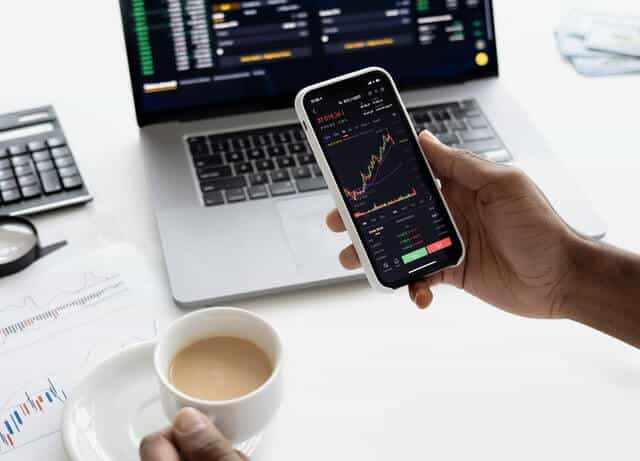










Swipe is a crypto payments project, and SXP is the utility token connected to that ecosystem. The project was built to help users manage and potentially spend crypto more easily through wallet and payment-related services.