


Atomic swaps let two people exchange cryptocurrencies directly from their own wallets, without handing custody to a centralized exchange. That idea still matters in 2026 because it points to one of crypto’s original goals: peer-to-peer value transfer with fewer middlemen.
That said, atomic swaps are often misunderstood. They are not a magic shortcut for swapping any coin on any chain, and they are not the same thing as using a cross-chain bridge or a decentralized exchange aggregator. They are a specific way to trade assets across compatible blockchains using code that makes the trade either complete fully or fail safely.
If you want the broader context around how crypto markets work, start with our crypto trading guide.
What is an atomic swap?
An atomic swap is a peer-to-peer exchange of cryptocurrencies between two different blockchain networks, carried out through a smart-contract-style mechanism rather than a centralized intermediary.
The word atomic is the key part. In computing, an atomic action either happens completely or does not happen at all. Applied to crypto, that means both sides of the trade settle as agreed, or the funds return to their original owners. There is no half-finished swap where one party gets paid and the other is left waiting.
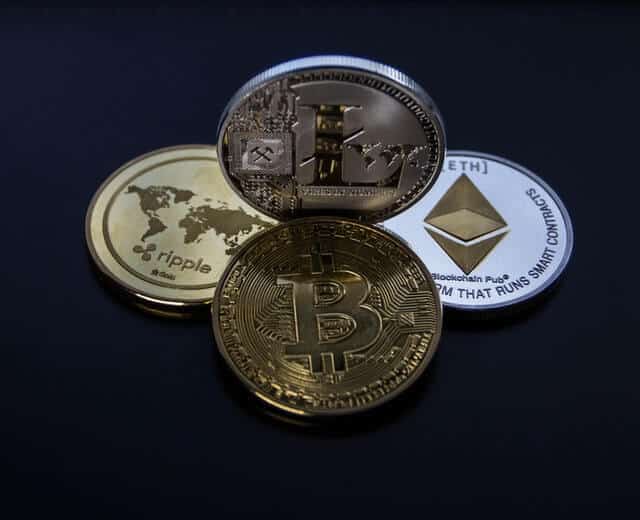
A simple example would be one user swapping Bitcoin for Litecoin directly with another user. If the conditions in the contract are met, both transfers go through. If they are not, the swap expires and each side keeps its funds.
Why atomic swaps were created
Most crypto trading still happens through centralized exchanges because they are fast, liquid, and easy to use. The trade-off is obvious: you usually trust the platform to hold assets, match orders, and process withdrawals.
Atomic swaps were designed to reduce that dependency. The main idea is straightforward:
- no central custodian holding both users’ funds
- no need to trust the other trader blindly
- lower counterparty risk during the exchange itself
- direct wallet-to-wallet settlement on compatible networks
That makes atomic swaps especially interesting for users who care about self-custody and censorship resistance.
How atomic swaps work
Most atomic swaps rely on hash timelock contracts, usually shortened to HTLCs. The mechanics can sound technical, but the logic is fairly simple.
Here is the stripped-down version:
- Trader A creates a secret value and turns it into a cryptographic hash.
- Trader A locks their coins in a contract that can only be unlocked with that secret.
- Trader B creates a matching contract on the other blockchain using the same hash.
- When one trader claims the funds, the secret is revealed on-chain.
- The other trader uses that revealed secret to claim the other side of the swap.
- If the process is not completed in time, the timelock expires and both parties can recover their original funds.
This is where the “all or nothing” property comes from. The hash condition controls access, and the timelock acts as a safety valve if the trade stalls.
On-chain vs off-chain atomic swaps
You will usually see atomic swaps described in two forms:
On-chain atomic swaps
These happen directly on the base blockchains involved. They are transparent and do not depend on an extra settlement layer, but they can be slower and may involve higher network fees.
Off-chain atomic swaps
These are typically discussed in the context of second-layer systems such as payment channels. The goal is to make swaps faster and cheaper while still preserving the same trust-minimized logic.
In practice, off-chain implementations are more complex and less universal than the headline idea suggests. That is one reason atomic swaps remain more of a specialized tool than a mainstream trading method.
What atomic swaps are not
This is where many beginner guides get blurry, so it is worth clearing up.
- Not the same as a centralized exchange: there is no exchange account matching your order book trade.
- Not the same as a bridge: bridges usually move value between ecosystems through wrapped assets, validators, or liquidity pools. Atomic swaps aim for direct exchange rather than asset wrapping.
- Not the same as every DEX trade: many decentralized exchanges rely on liquidity pools or market makers, not atomic swap logic.
If you are comparing execution methods, it also helps to understand how trading tools fit into the bigger picture. For active market participation, many traders combine research with trading signals rather than relying on infrastructure alone.
Main benefits of atomic swaps
1. Better self-custody
You do not need to deposit funds on a centralized platform just to make the trade happen. That reduces exchange custody risk.
2. Lower counterparty risk
The contract structure is designed so one side cannot simply take the other side’s funds and disappear.
3. Cross-chain interoperability
Atomic swaps were one of the earliest practical ideas for exchanging value across separate blockchain networks without a central operator.


4. Fewer intermediaries
Less reliance on a middleman can mean fewer points of failure, especially for users who prefer direct wallet control.
Main limitations of atomic swaps
Atomic swaps are clever, but they are not friction-free.
1. Compatibility requirements
Both blockchains need compatible technical features. In many cases that means support for the same or compatible hashing functions and scripting capabilities needed for HTLC-style contracts.
2. Limited user experience
Compared with a major exchange or a polished DEX, atomic swaps can feel clunky. Setup, wallet support, and execution are still not beginner-friendly in many cases.
3. Liquidity is not guaranteed
Even if a swap is technically possible, you still need a willing counterparty offering the asset pair and amount you want.
4. Speed and fee trade-offs
On-chain swaps depend on the confirmation times and fees of both networks involved. That can make them less practical for frequent trading.
5. Narrower real-world adoption
Atomic swaps are important conceptually, but they have not replaced exchanges, bridges, or mainstream DEXs. In real markets, convenience and liquidity usually win.
Are atomic swaps still relevant in 2026?
Yes, but mostly as part of the broader conversation around interoperability, self-custody, and trust-minimized trading.
They still matter for a few reasons:
- they showed early on that cross-chain exchange could happen without a centralized exchange
- they influenced how the industry thinks about secure settlement
- they remain useful in niche cases where direct peer-to-peer exchange is preferred
What changed is the market around them. Today, users also have bridges, cross-chain messaging systems, DEX aggregators, and other interoperability tools. Atomic swaps are still relevant, but they are one tool in a much larger toolbox.
When atomic swaps make sense
Atomic swaps may be worth considering if:
- you want to keep custody of your assets during the trade
- you are swapping between compatible chains
- you understand the wallet and contract requirements
- you are comfortable trading without the convenience of a centralized platform
They make less sense if your priority is deep liquidity, fast execution, or a simple beginner workflow.
Final thoughts
Atomic swaps are one of those crypto ideas that are genuinely useful to understand, even if you never use them every week. They solve a real problem: how to exchange assets across blockchains without trusting a central party to hold the trade together.
The catch is that the technology comes with constraints. Compatibility, liquidity, and usability still limit adoption. So while atomic swaps are not the default way most people trade crypto, they remain an important piece of blockchain infrastructure and a good example of how trust-minimized systems are built.
If you want to sharpen the trading side as well as the tech side, you can also explore the AltAlgo indicator for market analysis.
FAQ
Are atomic swaps safe?
Do atomic swaps need a centralized exchange?
No. The point of an atomic swap is to let two parties exchange assets directly without a centralized exchange holding custody or settling the trade.
Can atomic swaps work between any two blockchains?
No. Both chains need compatible technical features, and that requirement limits where atomic swaps can be used in practice.
Are atomic swaps the same as cross-chain bridges?
No. Bridges usually transfer value between ecosystems using wrapped assets, validators, or pooled liquidity. Atomic swaps focus on direct exchange between two parties using contract logic.
Why are atomic swaps not more common?
Mainly because exchanges and many DEX tools are easier to use and offer better liquidity. Atomic swaps are elegant, but convenience still matters in real trading.









They are designed to reduce counterparty risk because the trade either completes fully or expires. That does not remove every risk, though. Wallet mistakes, poor implementation, low liquidity, and user error can still cause problems.