As the year draws to a close, both the cryptocurrency market and broader risk assets are showing notable weakness, dampening investor sentiment and creating an atmosphere of caution among market participants. This recent downturn comes at a time when many had anticipated at least some measure of seasonal cheer to buoy the markets. Instead, major indices and digital assets alike are scrambling to find a firm foundation, as fundamental investment flows, exchange-traded funds (ETFs), and proactive protocol buybacks play an increasingly pivotal role in the search for a market bottom.
Market Indices Reflect Broad-Based Weakness
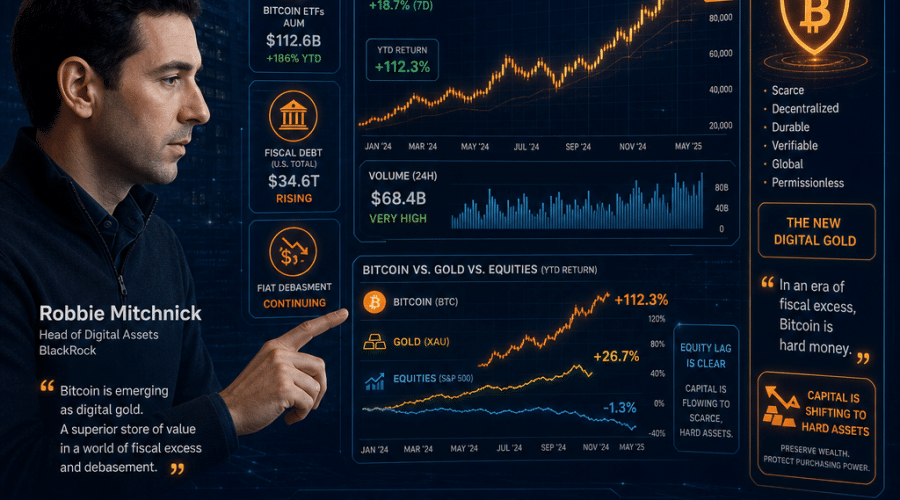
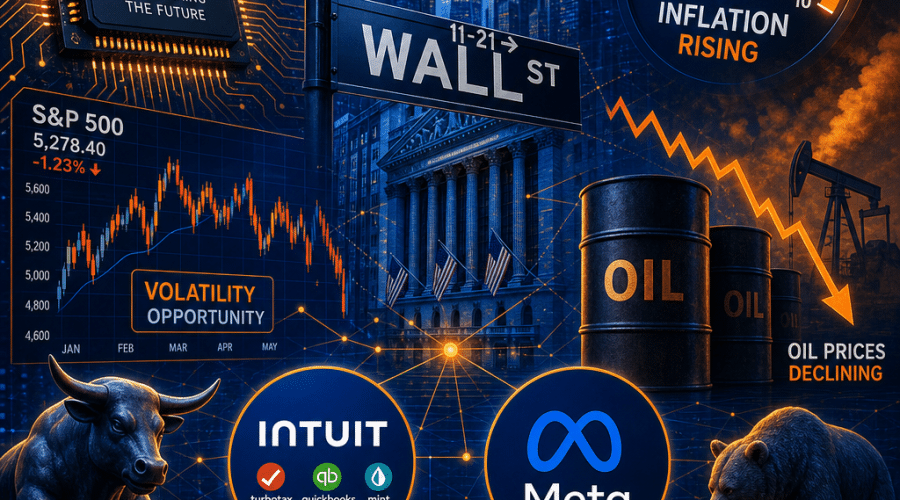
The final weeks of the year have been characterized by continued downward momentum across major stock indices and cryptocurrency benchmarks. Both the S&P 500 and the Nasdaq 100 suffered declines exceeding 1% during the week—highlighting a cautious, risk-off sentiment that has permeated through traditional and digital finance alike. Amidst this dour backdrop, gold emerged as a rare bright spot, once again confirming its status as a safe haven asset in times of market uncertainty.
Within the realm of cryptocurrencies, the weakness is even more pronounced. Every crypto index tracked by analysts has recorded losses throughout the week, with sharp declines visible across most sectors. Some tokens have managed to outperform Bitcoin (BTC) for brief periods—namely, exchange tokens, protocols with active buyback programs, and a cohort of “2025 crypto equity” projects. However, these exceptions have been few and far between, with the majority of altcoins and leading cryptocurrencies trailing behind.
Artificial Intelligence Sector Suffering Major Setbacks
Arguably the most conspicuous loser has been the artificial intelligence (AI) sector within crypto, which fell a staggering 26% over the past week. The selloff was led by TAO, a token that had previously been among the sector’s top performers as recently as October. The reversal underscores the heightened volatility and risk sensitivity that now characterize AI-related crypto projects, as speculative excesses are corrected and investor appetite for high-growth narratives wanes under the weight of macroeconomic uncertainty.
Major Cryptocurrencies Remain Under Pressure
The broader crypto market is experiencing a sustained downtrend, with flagship coins like Bitcoin (BTC), Ethereum (ETH), and Solana (SOL) all registering weakness. The correction is even more severe among lesser-known altcoins, many of which have suffered steeper losses. This dynamic is pushing risk-assets to search for a new, more fundamentally-driven support level—a “floor” that could potentially be set by the reinvigoration of buybacks, renewed ETF inflows, or significant price undervaluation igniting a wave of bargain-hunting among investors.
However, such a foundation has yet to materialize in earnest. Protocol-led buybacks, while offering a theoretical backstop, have not sufficed to instill widespread confidence, and ETF inflows for the major cryptocurrencies remain tepid. Until either of these drivers exhibits a meaningful uptick, broader market weakness is likely to persist, leaving the market adrift in search of positive catalysts.
Insightful Perspectives on Economic Precarity and Financial Risk
Outside of immediate market movements, several thought leaders and analysts have offered fresh perspectives on the systemic challenges and opportunities facing the digital asset ecosystem and the broader financial system.
Reframing Economic Inequality: Structural and Mathematical Approaches
Michael W. Green, in his thought-provoking essay “Taking a Step Back to Step Forward,” leverages the conceptual framework established by Ole Peters’ “Equation of Life.” Green posits that, absent deliberate redistribution, wealth will invariably concentrate within society (expressed as a negative tau: τ < 0), leading to increasing systemic inequality. He critiques several mechanisms that perpetuate this trend—from distorted consumer price index (CPI) measures that mask true living cost increases, to the technocratic complacency that has allowed structural imbalances in the housing market and financial sector to persist.
Importantly, Green warns of growing financial fragility, noting that credit spreads remain artificially tight even as defaults trend higher. This disconnect, he argues, may presage deeper financial instability, especially as policymakers and institutions continue to overlook foundational issues. Ultimately, Green calls for greater civic engagement and institutional accountability to address systemic risks—a rallying cry for both further academic exploration and tangible political action to catalyze reform.


Growth and Innovation in Decentralized Finance: Spotlight on Sky Ecosystem
Amidst the market turbulence, the Sky Frontier Foundation released its “Annual State of Sky Ecosystem” report, providing a comprehensive look at the protocol’s achievements and financial performance in 2025. According to the report, the Sky Ecosystem achieved remarkable growth: the supply of its native stablecoin, USDS, surged 86% to reach $9.86 billion, outpacing the overall stablecoin sector and signaling robust demand for decentralized, yield-bearing financial instruments.
The protocol generated $435 million in revenue and $168 million in profits through the year—financial success that enabled substantial buybacks of the SKY token and offered attractive staking rewards to holders. Importantly, the report highlighted the impact of new regulatory clarity provided by the recently enacted GENIUS Act, alongside the successful launch of several Sky Agent products designed to drive protocol expansion. Looking ahead, the Sky team projects further institutional adoption and protocol growth in 2026, positioning itself as a frontrunner in the next evolution of decentralized finance (DeFi) infrastructure.
Tokenization, Decentralization, and the TradFi-Crypto Tension
Omid Malekan, a prominent thinker in the blockchain space, published a pointed critique titled “Beware the Lofty Promises of TradFi Firms Embracing Tokenization.” Malekan asserts that while traditional financial (TradFi) institutions—including DTCC, Visa, SWIFT, Stripe, and PayPal—are vocal about the possibilities of tokenization, they systematically avoid the radical decentralization that underpins blockchain’s transformative potential. Instead, these legacy institutions deploy permissioned chains and lobby for regulations that reinforce their market dominance.
Malekan warns that by co-opting selected aspects of the crypto model, TradFi firms may undermine the public, permissionless networks that are the foundation of the digital asset movement. He urges the crypto community to remain vigilant, continuing to promote and defend open, decentralized protocols against efforts to dilute their core values in pursuit of mainstream adoption. This tension—between corporate adoption and decentralized innovation—will likely be a defining issue as the industry evolves in the coming years.
The Challenge of Non-USD Stablecoins: A Structural Problem
One of the more nuanced challenges in the digital assets space is the adoption of stablecoins denominated in currencies other than the US dollar. Addressing this issue, the analyst known as @DeFi_Cheetah argued in a recent article that the main impediment is not lack of demand, but rather the reluctance of traditional banks to hold non-USD inventory.
Global banking regulations—including those stemming from Basel III, liquidity requirements, and penalties for G-SIBs (Globally Systemically Important Banks)—place significant constraints on banks’ willingness to deal in non-USD currencies. This creates a liquidity vacuum in non-USD foreign exchange markets, impeding the growth and adoption of non-USD stablecoins even in cases where market demand exists. @DeFi_Cheetah suggests that only DeFi-native solutions can effectively bootstrap liquidity for these non-USD stablecoins; reliance on the traditional FX infrastructure is likely futile, as it is structurally designed to favor the dollar and established channels.
What Lies Ahead: Searching for a Bottom and Building for the Future
As both traditional and digital risk assets continue their retreat, the immediate outlook remains challenging. Investors and analysts alike are on the lookout for strong fundamental flows—either in the form of increased ETF allocations or more aggressive protocol-driven buybacks—that might signal a true bottom. In the meantime, the broader conversation in the crypto community is increasingly focused on systemic reform, sustainable innovation, and the ongoing struggle to define and preserve the core values of decentralization in a rapidly institutionalizing industry.
While uncertainty abounds, periods of market weakness often serve as crucibles for genuine innovation and long-term positioning. As key protocols like Sky demonstrate growth despite headwinds, and as thought leaders demand accountability and reform, the groundwork is being laid for a more resilient, equitable, and decentralized financial future. Investors, developers, and policy advocates will no doubt continue to navigate this uncertain landscape, balancing the need for stability with the imperative to push for transformative change.