


Forex day trading means opening and closing trades within the same trading day, usually to capture small moves in major currency pairs like EUR/USD, GBP/USD, or USD/JPY. It can suit traders who want active market exposure, but it is not an easy shortcut to income. Fast decisions, strict risk control, and a repeatable process matter far more than excitement.
If you want to learn how to day trade forex, start with the basics: trade liquid pairs, focus on a small number of setups, use clear stop-loss levels, and avoid risking too much on any single position. The goal is not to trade constantly. The goal is to take high-quality trades and protect your capital when conditions are poor.
Disclaimer: this article is for educational purposes only and is not financial advice. Forex trading involves significant risk, especially when leverage is used. Never trade with money you cannot afford to lose.
What is forex day trading?
Day trading in forex is the practice of entering and exiting positions on the same day rather than holding them overnight. Traders try to profit from intraday price movements caused by economic data, central bank commentary, market sentiment, and technical levels.
The forex market is popular with day traders for a few reasons:
- High liquidity: major pairs usually have tight spreads and deep trading volume.
- Long trading hours: forex trades around the clock during the business week.
- Frequent setups: price moves around news releases, session opens, and key support or resistance zones.
- Leverage availability: this can increase exposure, but it also increases risk just as quickly.
That last point deserves respect. Leverage can magnify gains, but it can also turn a small mistake into a large loss. For most beginners, the real edge comes from discipline and position sizing, not from using more leverage.
How to day trade forex: a practical framework
If you are new to forex day trading, keep your process simple. A workable framework usually looks like this:
- Choose one or two liquid pairs so you can learn their behaviour.
- Trade during active sessions such as London or the London-New York overlap.
- Use one setup only at first, such as a pullback in trend or a breakout from consolidation.
- Define entry, stop loss, and target before entering.
- Risk a small fixed amount per trade.
- Review your trades to see what actually works.
That may sound basic, but most day trading problems come from ignoring basic rules rather than lacking exotic indicators.
Pick the right forex pairs
Most beginners are better off starting with major pairs. They tend to have better liquidity and lower trading costs than more exotic pairs.
Common choices include:
- EUR/USD
- GBP/USD
- USD/JPY
- AUD/USD
- USD/CAD
Each pair has its own rhythm. GBP pairs can move sharply. EUR/USD is often cleaner and more liquid. USD/JPY can react strongly to rate expectations and risk sentiment. Rather than jumping between ten charts, learn how one or two pairs behave during your preferred session.
Trade when the market is actually moving
Forex is open 24 hours a day during the week, but not every hour is equally useful for day trading. Volatility and liquidity tend to improve when major financial centres overlap.
Many day traders focus on:
- London session
- New York session
- London-New York overlap
These periods often produce cleaner moves and tighter spreads than quieter hours. Trading at random times can leave you stuck in choppy price action, which is where good intentions go to die.
Use a simple day trading strategy
You do not need five indicators and three monitors to start. You need one setup you understand well enough to execute consistently.
Popular forex day trading approaches include:
- Trend pullbacks: trade in the direction of the prevailing trend after a temporary retracement.
- Breakouts: enter when price breaks above resistance or below support with momentum.
- Range trading: buy near support and sell near resistance when the market is moving sideways.
- News trading: trade around major economic releases, usually with extra caution because volatility can spike fast.
For most traders, trend pullbacks and breakouts are easier to structure than news trading. News can create opportunity, but it can also create slippage, wider spreads, and very fast reversals.
Indicators that can help without taking over your chart
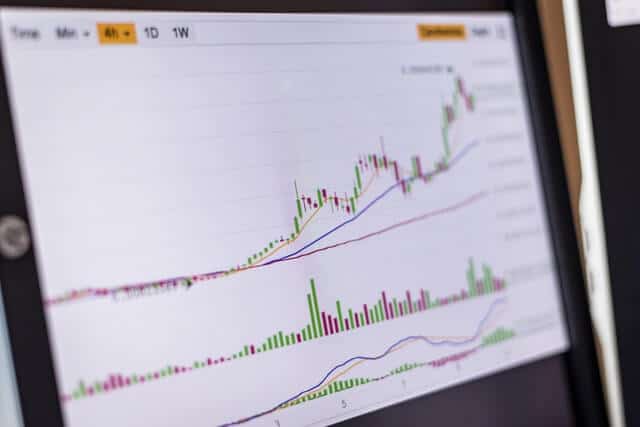
Indicators are tools, not decision-makers. A few well-used indicators can help you read momentum, trend, and volatility more clearly.
Common choices include:
- Moving averages: useful for identifying trend direction and dynamic support or resistance.
- RSI: helps gauge momentum and possible overbought or oversold conditions.
- MACD: often used to confirm momentum shifts.
- Bollinger Bands: can help visualise volatility and stretched price moves.
- Fibonacci retracement: often used to map pullback zones.
If you want a deeper look at chart tools, our AltAlgo indicator page explains how traders use indicator-based analysis to structure entries and exits.


One warning: indicators work best when they support price action, not replace it. If your chart looks like a science project, simplify it.
Risk management matters more than your entry
This is the part many traders skip, usually right before they learn why it matters.
A solid forex day trading plan should include:
- A fixed risk per trade: many traders risk only a small percentage of their account on each position.
- A stop loss on every trade: decide where the trade idea is invalidated.
- A realistic reward target: know whether the setup offers enough upside relative to the risk.
- A daily loss limit: stop trading if you hit it.
- No revenge trading: one bad trade should not become three worse ones.
The U.S. Commodity Futures Trading Commission has a useful overview of forex fraud and trading risks, especially for newer traders evaluating brokers, leverage, and promotional claims.
Build a routine before you place live trades
Good day traders usually follow a routine rather than improvising every session.
A simple routine might include:
- Checking the economic calendar for high-impact events
- Marking key support and resistance levels
- Identifying the current trend on a higher timeframe
- Waiting for your setup on a lower timeframe
- Logging the trade result and your reasoning afterward
If you skip the review process, it becomes very hard to tell whether your strategy has an edge or whether you are just having a lucky week.
Should you use forex signals?
Forex signals can be useful if they help you save time, compare your own analysis, or learn how experienced traders structure setups. They should not be treated as a substitute for understanding risk.
If you want guided trade ideas, market commentary, and a more structured workflow, you can explore AltSignals trading signals. Used properly, signals can support your process. Used blindly, they can become expensive autopilot.
For a broader overview of the market itself, see our forex trading guide. If your focus is short-term crypto markets rather than currencies, our Bitcoin day trading guide covers how intraday trading differs in a more volatile asset class.
Common mistakes new forex day traders make
- Trading too many pairs at once
- Using too much leverage
- Entering without a stop loss
- Taking trades outside active sessions
- Changing strategy after every loss
- Ignoring spreads, slippage, and trading costs
- Overtrading out of boredom
Most of these are avoidable. The fix is usually less activity, not more.
Final thoughts
Learning how to day trade forex is less about finding a magic indicator and more about building a repeatable process. Start with liquid pairs, trade during active sessions, use one clear setup, and manage risk tightly. If you cannot explain why you entered a trade, you probably should not be in it.
Done well, forex day trading can be structured and disciplined. Done badly, it becomes random clicking with better branding.
FAQ
Is forex day trading good for beginners?
What timeframe is best for forex day trading?
Many day traders combine a higher timeframe for context with a lower timeframe for entries. For example, they may use the 1-hour or 4-hour chart for trend direction and the 5-minute or 15-minute chart for execution.
How much money do you need to start day trading forex?
That depends on your broker, location, and risk tolerance. The more important question is whether your account size allows sensible position sizing without overusing leverage. Starting with money you can afford to lose is essential.
Can you day trade forex without indicators?
Yes. Some traders rely mainly on price action, support and resistance, and session behaviour. Indicators can help, but they are optional tools rather than a requirement.
Are forex signals worth using?
They can be useful when they complement your own analysis and come from a credible provider. They are less useful when traders follow them blindly without understanding the setup, risk, or market conditions.





















It can be, but only if beginners start small and focus on risk management first. The pace of intraday trading can be demanding, so demo trading and journaling are usually sensible first steps.