

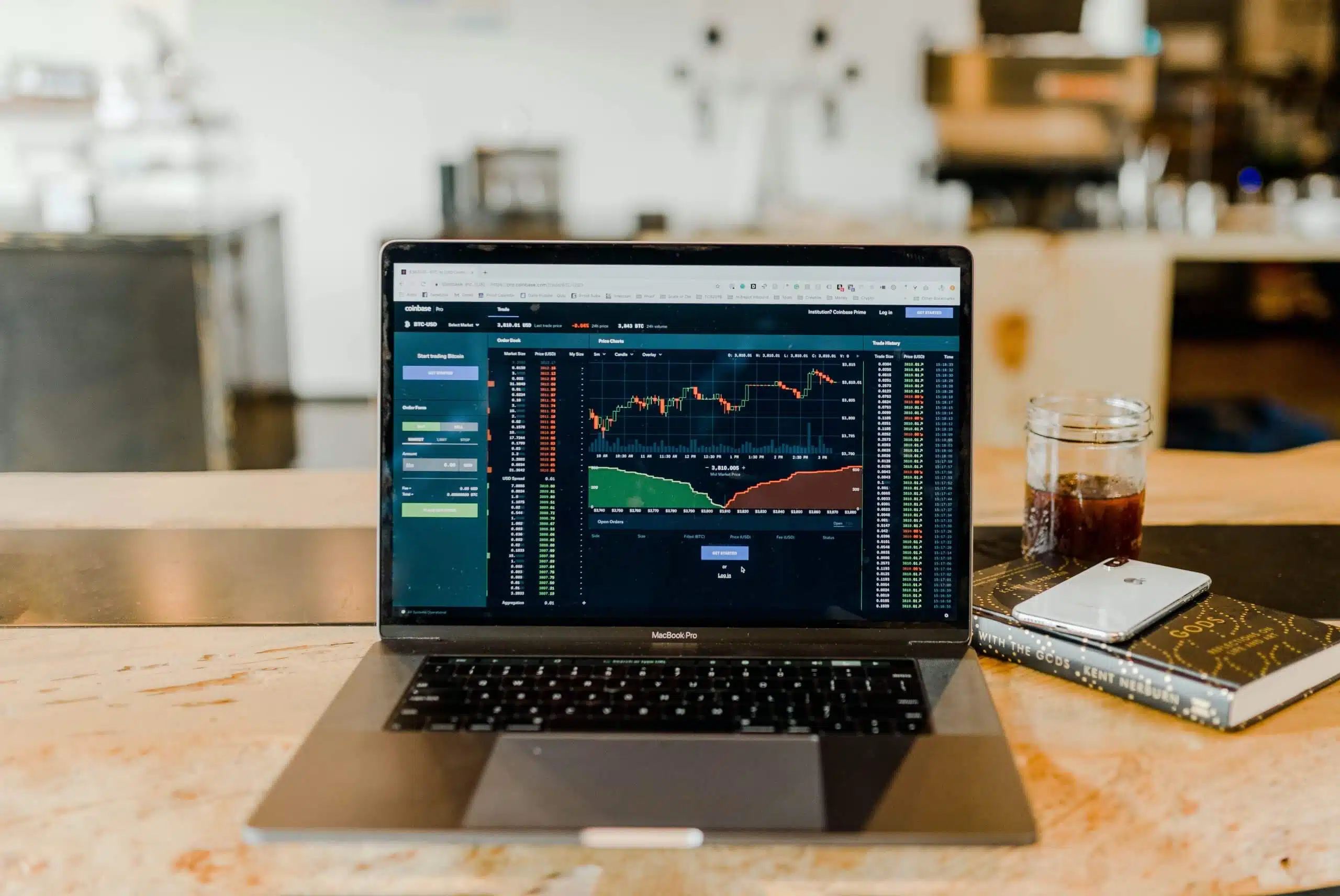
OTC crypto trading is how large crypto deals get done without dumping a huge order onto a public exchange order book. Instead of placing a visible market or limit order, the buyer and seller trade directly, usually through an OTC desk or broker that helps source liquidity and settle the transaction.
For smaller traders, OTC is usually unnecessary. For high-net-worth investors, funds, miners, treasury teams, and institutions moving serious size, it can be the cleaner option.
What is OTC crypto trading?
OTC stands for over-the-counter. In crypto, it means buying or selling digital assets directly between parties rather than through the public matching engine of an exchange.
On a normal exchange, your order interacts with the order book. If the trade is large enough, it can move the market price before the full order is filled. OTC trading is designed to reduce that problem by negotiating the trade privately.
In practice, an OTC desk will usually:
- quote a price for a specific trade size
- find the other side of the trade from its own network or inventory
- help coordinate settlement
- manage execution so the order does not create unnecessary market impact
That is the main appeal: size can be handled more discreetly than on a public exchange.
How OTC crypto trading works
The basic process is straightforward.
- You request a quote. This usually includes the asset, size, settlement currency, and timing.
- The desk provides pricing. The quote may reflect current market conditions, available liquidity, and the size of the order.
- You accept the trade. Once both sides agree, the desk locks in the terms.
- Settlement takes place. Fiat or crypto is transferred according to the agreed process.
Some OTC desks act as principal, meaning they trade from their own inventory. Others act more like brokers and source the other side from counterparties. Either way, the goal is the same: execute large trades with less slippage and less visibility than a public exchange order.
Who uses OTC markets?
OTC crypto trading is mainly used by participants who care about trade size, discretion, or execution quality more than they care about clicking a quick buy button.
Typical OTC users include:
- institutional investors
- high-net-worth individuals
- crypto funds and family offices
- miners selling treasury holdings
- companies adding crypto to a balance sheet
- projects managing token treasury operations
If someone wants to buy or sell a modest amount of BTC or ETH, a liquid exchange is usually enough. If they want to move a much larger position, OTC becomes more relevant.
Why traders use OTC instead of an exchange
1. Lower market impact
A large order on a public exchange can push price up while buying or drag it down while selling. OTC trading helps reduce that footprint.
2. Better execution for large size
For big orders, the headline market price is not always the real price you will get after slippage. OTC desks are built to handle block trades more efficiently.
3. More privacy
OTC trades are not displayed in the same way as public order book activity. That matters for firms and investors who do not want the market reading their intentions in real time.
4. Flexible settlement
Depending on the desk, settlement options may be more tailored than a standard exchange workflow, especially for larger clients or cross-border transactions.
Main benefits of OTC crypto trading
When it is used for the right reason, OTC can solve a few real problems.
- Reduced slippage: especially useful when trading size in less liquid conditions.
- Discretion: large trades are negotiated privately rather than exposed to the full market.
- Access to deeper liquidity: desks may source liquidity from multiple counterparties instead of relying on one visible order book.
- Human support: execution and settlement are often handled with direct assistance rather than a fully self-serve interface.
That said, OTC is not automatically cheaper or better. It depends on the desk, the spread, the asset, and the size of the trade.
Risks and drawbacks to understand
OTC trading is useful, but it is not risk-free.
- Counterparty risk: you need to trust the desk or broker you are dealing with.
- Pricing opacity: because the trade is private, it can be harder to compare quotes than on a public exchange.
- Settlement risk: large transfers require clear procedures and strong operational controls.
- Regulatory differences: rules vary by jurisdiction, and not every provider operates to the same standard.
- Minimum size requirements: many OTC desks are aimed at larger clients, so smaller traders may not qualify.
If you are evaluating an OTC provider, due diligence matters. Check licensing where relevant, custody arrangements, settlement procedures, and whether the desk has a credible operating history.


OTC vs exchange trading
Here is the practical difference.
- Exchange trading: best for transparent pricing, smaller orders, and instant self-directed execution.
- OTC trading: best for larger orders, reduced market impact, and more private execution.
Neither is universally better. They solve different problems.
If you are still learning how crypto markets work, start with our crypto trading guide. If your focus is improving entries and exits on exchange-traded positions, our AltAlgo indicator is the more relevant tool.
Can retail traders use OTC crypto trading?
Sometimes, yes. But most retail traders do not need it.
If your trade size is small enough to be filled efficiently on a liquid exchange, OTC adds complexity without much benefit. Public exchanges usually offer better transparency and easier access for everyday trading.
OTC starts to make more sense when:
- the order is large relative to market liquidity
- privacy matters
- you want a negotiated quote instead of working an order manually
- you need more tailored settlement support
For most active retail traders, better execution usually comes from understanding liquidity, order types, and timing rather than jumping straight to OTC.
How to use OTC crypto trading safely
If you are considering OTC, keep the process boring. Boring is good when large sums are involved.
- Use a reputable desk. Look for a provider with a clear track record, transparent onboarding, and strong compliance standards.
- Request multiple quotes. Do not assume the first quote is the best one.
- Confirm settlement details in writing. Wallet addresses, banking details, timing, and fees should all be verified carefully.
- Understand custody and transfer risk. Know who holds assets during the transaction and what protections are in place.
- Check jurisdictional rules. OTC activity may trigger different compliance requirements depending on where you operate.
For traders who are not moving institutional size, a better next step is often improving market analysis and execution discipline. That is where tools like AltSignals trading signals may be more relevant than an OTC desk.
Final take
OTC crypto trading is not a secret shortcut. It is a specialist execution method for larger trades that need discretion, deeper liquidity access, or less market impact.
For institutions and large holders, it can be a practical part of treasury or portfolio management. For most retail traders, it is more important to understand exchange liquidity, slippage, and risk management first.
If you want to build that foundation, start with the broader crypto trading guide and then explore tools that help with day-to-day execution.
FAQ
Is OTC crypto trading legal?
Does OTC trading affect the market price?
It can still influence broader market conditions, but it usually has less immediate visible impact than placing a very large order on a public exchange order book. That is one of the main reasons large traders use it.
What is the difference between an OTC desk and a crypto exchange?
A crypto exchange matches public buy and sell orders through an order book. An OTC desk handles trades privately, often by quoting directly and sourcing liquidity behind the scenes.
Is OTC trading better for Bitcoin whales?
Often, yes. For very large BTC trades, OTC can reduce slippage, improve discretion, and make settlement easier. Whether it is better in practice depends on the desk, the quote, and current liquidity conditions.
Do beginners need OTC crypto trading?
Usually not. Beginners are generally better served by learning exchange mechanics, order types, risk management, and market structure before considering OTC execution.

















It can be, but legality depends on the jurisdiction, the assets involved, and the provider’s compliance standards. OTC trading is not a free pass around regulation. Always check local rules and use reputable counterparties.