Crypto Trading Risk Management
Good signals can help with entries and exits. Bad risk management can still wreck the trade.
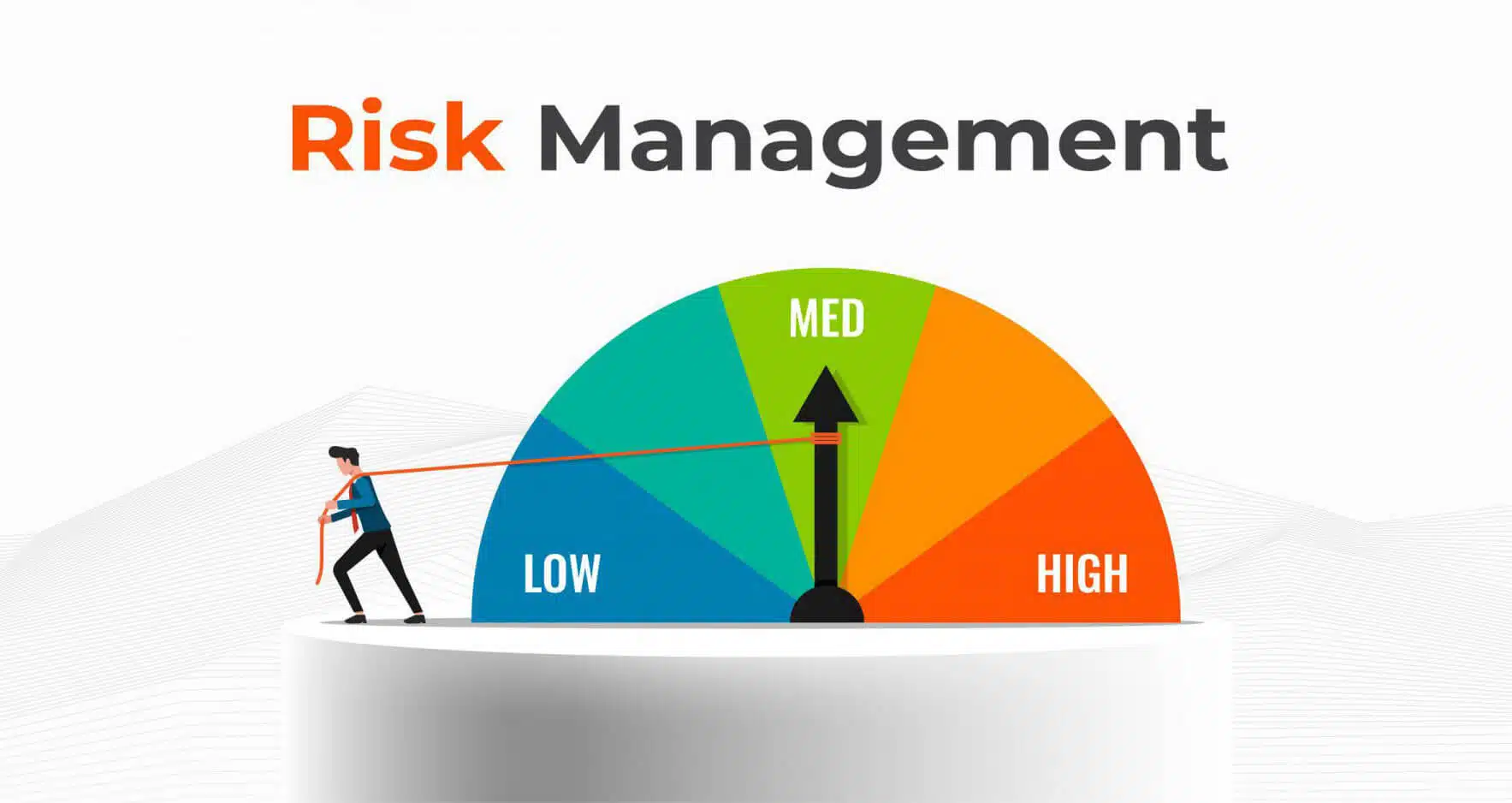
If you trade crypto signals without position sizing, stop-loss discipline, and a clear loss limit, you are not really following a strategy. You are just taking random exposure in a volatile market. That is why risk management matters more than finding the “perfect” setup.
This guide covers the basics that matter most: how much to risk per trade, where stop-losses fit in, when leverage becomes dangerous, and how to use trading signals without letting one bad position damage your account.
If you want the broader framework behind setups, execution, and market structure, start with our crypto trading guide.
Why risk management matters more than the entry
Crypto markets move fast, trade 24/7, and can gap hard around news, liquidations, or thin liquidity. Even a strong setup can fail. That is normal.
The difference between traders who survive and traders who blow up is usually not prediction skill. It is how they handle the trades that go wrong.
Proper crypto trading risk management helps you:
- limit damage on losing trades
- avoid oversized positions
- stay consistent across multiple trades
- reduce emotional decision-making
- keep enough capital available for the next opportunity
Think of it this way: your edge only matters if you are still in the game long enough to use it.
The core rule: risk a small amount on each trade
A simple rule works well for most traders: risk only a small percentage of your account on any single trade.
Many signal users prefer to keep exposure conservative. A common approach is to allocate only a small share of total trading capital to one trade idea, especially when markets are volatile. The exact number will vary by trader, but the mindset is the same: keep single-trade risk small enough that one loss does not matter much.
What matters most is consistency. If you size one trade at 2% of your account and the next at 20% because it “looks stronger,” you are no longer managing risk. You are gambling with extra steps.
Position size and stop-loss should work together
A stop-loss is not enough on its own. You also need a position size that makes sense.
Here is the practical idea:
- decide how much of your account you are willing to lose if the trade fails
- set a stop-loss at a level that invalidates the setup
- size the position so that hitting the stop-loss stays within your risk limit
Example: if your account is small and your stop-loss needs to be wide because the market is volatile, your position should usually be smaller, not larger. Wider stop, smaller size. Tighter stop, potentially larger size. The two belong together.
If you want more help reading setups and timing entries around technical levels, the AltAlgo indicator can help add structure to your decision-making.
How to prepare for trading crypto more safely
- Never trade money you cannot afford to lose. Crypto is high risk. Rent money is not trading capital.
- Set a maximum risk per trade. Keep it small and keep it consistent.
- Use a stop-loss before you enter. If you only decide where to exit after the market moves against you, you are already late.
- Avoid overexposure. Five trades on highly correlated coins can behave like one oversized trade.
- Be careful with leverage. Leverage magnifies losses just as efficiently as gains.
- Take profits systematically. Scaling out or moving stops can reduce the urge to improvise.
- Keep some funds off-exchange. Operational risk matters too, not just market risk.
Leverage is where many traders get into trouble
Leverage can be useful, but it is also one of the fastest ways to lose control of risk. In crypto, small price moves can have an outsized effect on a leveraged position. The higher the leverage, the less room you have for normal market noise.
Newer traders often focus on how much leverage they can use instead of how much they should use. Those are very different questions.


If you are still learning, lower leverage or no leverage is usually the safer choice. The goal is not to squeeze maximum return out of one trade. The goal is to survive enough trades to build skill and consistency.
For a regulator-style explanation of leverage and margin risk, the U.S. SEC’s investor education resources are a useful reference.
Signals are not a substitute for discipline
Trading signals can save time and help you spot structured opportunities, but they do not remove risk. A signal tells you what the setup may be. Risk management decides whether the trade is survivable.
Before following any signal, check:
- entry zone
- stop-loss level
- take-profit targets
- position size
- whether the trade overlaps with other open positions
If any of those are missing, pause before entering. A trade without defined risk is incomplete.
If you want a more structured signal workflow, you can explore AltSignals trading signals. The key point is the same either way: signals should support a plan, not replace one.
Common risk management mistakes in crypto trading
- Moving the stop-loss farther away because you do not want to be wrong
- Averaging down without a plan in a fast-moving market
- Using too much leverage on volatile pairs
- Taking too many similar trades at the same time
- Ignoring fees and funding when trading frequently
- Leaving profits fully exposed instead of reducing risk as the trade develops
- Trading emotionally after a loss to “win it back”
Most account damage comes from a few repeated mistakes, not from one unlucky candle.
Risk management is also psychological
Good risk rules do more than protect capital. They protect decision quality.
When your position size is too large, every small move feels personal. You start checking charts too often, second-guessing the plan, and making reactive decisions. Smaller, controlled risk makes it easier to stay calm and follow the setup as intended.
That is one reason disciplined traders often look boring from the outside. Boring is good. Boring keeps accounts alive.
A simple framework you can actually follow
If you want a practical starting point, keep it simple:
- risk a small, fixed amount per trade
- use a stop-loss based on the setup, not hope
- reduce size when volatility rises
- avoid stacking highly correlated positions
- review losses without trying to instantly recover them
That will not make every trade a winner. It will make your trading process far more durable.
For a broader look at diversification and portfolio-level risk, the SEC’s diversification explainer is worth reading.
Final thought
The best traders do not avoid losses. They make sure losses stay manageable.
If you treat risk management as the foundation rather than an afterthought, signals become more useful, leverage becomes less dangerous, and your decisions get cleaner. That is not flashy, but it is how traders last.