


XRP has been around long enough that most crypto traders already have an opinion on it. The harder question is whether there are still sensible reasons to buy XRP today.
The short answer: possibly, but only if you understand what you are actually buying. XRP is not just another speculative token. It is tied to a long-running payments narrative, a distinct blockchain network, and a market story that has gone through hype, legal pressure, and repeated re-pricing.
This article breaks down three practical reasons some investors still buy XRP, along with the risks that matter just as much.
Disclaimer: This article is for educational purposes only and should not be considered investment advice. Crypto assets are volatile and risky. Never invest more than you can afford to lose, and consider speaking with a qualified financial professional before making decisions.
What is XRP?
XRP is the native digital asset of the XRP Ledger, a blockchain designed for fast and relatively low-cost value transfer. It is often associated with Ripple, the company that develops payment-related products and has historically been linked to the XRP ecosystem, but Ripple and XRP are not the same thing.
That distinction matters. Ripple is a company. XRP is a digital asset that exists on the XRP Ledger. The two are connected in market perception, but they are not interchangeable.
The XRP Ledger is commonly discussed in the context of cross-border payments because transactions settle quickly and the network has long been positioned as a tool for moving value between currencies. If you want a broader view of how assets like XRP fit into the market, start with our crypto trading guide.
3 reasons some investors buy XRP
These are not guarantees. They are simply the main arguments that continue to attract buyers.
1. XRP is one of the most established crypto assets
In crypto, survival matters. Plenty of coins get attention for a cycle or two and then quietly disappear. XRP has been through multiple market phases and is still one of the best-known assets in the sector.
That does not automatically make it a good investment, but it does make it easier to research, trade, and monitor than many smaller altcoins. XRP is widely listed, has deep market recognition, and usually has better liquidity than lower-cap tokens.
For traders and investors, that brings a few practical advantages:
- It is available on many major exchanges and broker platforms.
- It tends to have stronger liquidity than niche altcoins.
- It has a long enough history for chart analysis, sentiment tracking, and cycle comparison.
That last point matters more than people think. A coin with a long trading history gives you more context. You can study how it behaves during bull runs, risk-off periods, and broader altcoin rotations instead of guessing from a six-month chart and a loud community on social media.
2. It still has a clear use-case narrative in payments and liquidity
The main bullish case for XRP has always been utility in payments, especially cross-border transfers and liquidity movement between currencies.
The idea is straightforward. Traditional international transfers can involve multiple intermediaries, delays, and higher costs. Blockchain-based settlement networks aim to reduce some of that friction. XRP supporters argue that the XRP Ledger can help move value quickly between parties and, in some cases, act as a bridge asset for liquidity.
This does not mean every bank on earth is about to run on XRP by next Tuesday. It means XRP has a clearer real-world narrative than many tokens whose only use-case is existing.
That narrative is one reason investors continue to watch the asset. If adoption of blockchain-based payment rails grows, XRP could remain relevant as part of that conversation.
For background on Ripple’s enterprise-facing products and the broader ecosystem, you can visit Ripple. For a neutral overview of the XRP Ledger itself, see XRPL.org.
It is also worth keeping expectations realistic. A strong use-case narrative can support long-term interest, but markets do not reward narratives on schedule. Utility stories can take years to translate into price performance, if they do at all.
3. It can play a role in diversification for some crypto portfolios
If your crypto exposure is concentrated in Bitcoin and Ethereum, adding a smaller allocation to XRP may offer diversification across market narratives.


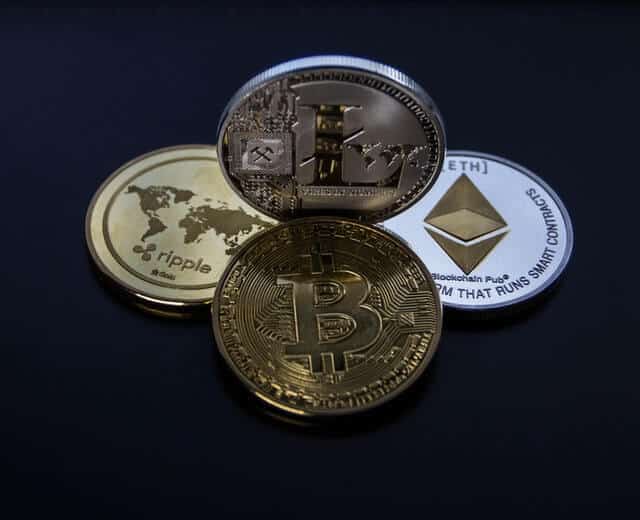
Bitcoin is often treated as the benchmark crypto asset. Ethereum is closely tied to smart contracts and on-chain applications. XRP tends to sit in a different lane, with more attention on payments, settlement, and institutional transfer use cases.
That does not mean XRP will outperform BTC or ETH. It simply means it is driven by somewhat different catalysts, which can matter when building a portfolio.
From a portfolio perspective, diversification is about spreading exposure rather than making one heroic bet. It can help manage risk, but it does not eliminate losses. That applies to crypto too, except with more volatility and less mercy.
If you are actively trading rather than passively holding, it also helps to combine portfolio decisions with a clear process. Our AltAlgo indicator can help traders structure entries and exits instead of relying purely on headlines and hope.
Reasons to be cautious before buying XRP
A balanced XRP article should not stop at the bullish case.
Here are the main risks to keep in mind:
- Regulatory risk: XRP has spent years under heavier regulatory scrutiny than many other large-cap crypto assets. That history still affects sentiment and exchange access in some regions.
- Narrative risk: The payments thesis is clear, but markets can lose patience if adoption develops more slowly than expected.
- Competition: XRP is not the only network targeting fast settlement or cross-border value transfer.
- Volatility: Even established crypto assets can swing sharply in both directions.
- Opportunity cost: Holding XRP means not allocating that capital elsewhere. Sometimes the biggest risk is not a collapse, but years of underperformance versus other assets.
If you want help filtering setups across crypto markets rather than focusing on one coin alone, you can also explore AltSignals trading signals.
Should you buy XRP?
That depends on your thesis.
If you believe established crypto assets with a payments-focused narrative still have room to grow, XRP may deserve a place on your watchlist or in a diversified portfolio. If you want maximum exposure to smart contracts, meme-driven momentum, or early-stage altcoins, XRP may not match what you are looking for.
The better question is not “Is XRP good?” but “Why would I own it, and what would make me sell it?”
If you cannot answer those two questions clearly, buying any crypto asset becomes guesswork dressed up as conviction.
Final take
The three strongest reasons investors buy XRP are fairly simple: it is established, it still has a recognizable payments use-case, and it can offer diversification within a crypto portfolio.
Those are reasonable points. They are not a free pass.
XRP remains a high-risk asset, and anyone buying it should weigh the upside case against regulation, competition, and the possibility that other crypto assets simply perform better. Do your own research, define your risk before you enter, and avoid treating any single coin as a guaranteed winner.
FAQ
Is XRP the same as Ripple?
What is the main reason people buy XRP?
The main reason is usually its payments and cross-border transfer narrative. Many investors see XRP as a way to gain exposure to blockchain-based settlement and liquidity use cases.
Is XRP a good portfolio diversifier?
It can be, depending on your existing holdings and risk tolerance. XRP offers exposure to a different market narrative than Bitcoin or Ethereum, but it is still a volatile crypto asset.
What is the biggest risk of buying XRP?
The biggest risks include regulation, competition from other payment-focused networks, and the chance that adoption or price performance falls short of expectations.









No. Ripple is a company, while XRP is the native asset of the XRP Ledger. They are closely associated, but they are not the same thing.