

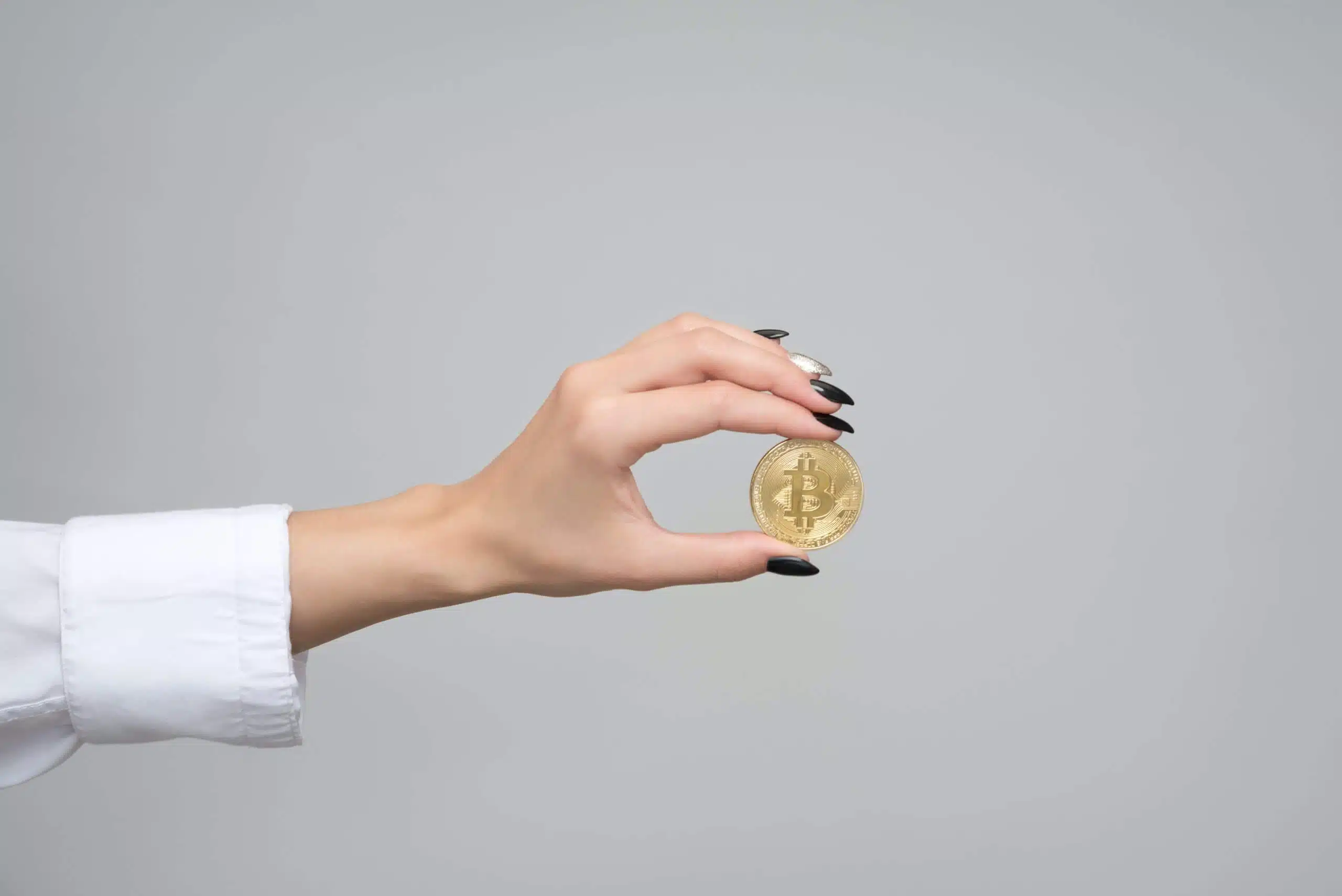
Bitcoin still sits at the center of the crypto market, but that does not automatically make it a good fit for every investor. If you are thinking about investing in Bitcoin, the better question is not “will it go up?” but “why would I own it, and what risks come with that decision?”
This guide keeps it simple. Below are three of the strongest reasons people choose to invest in Bitcoin, along with the context that often gets skipped in more bullish takes.
Disclaimer: this article is for educational purposes only and should not be treated as financial advice. Bitcoin is volatile, regulation can change, and losses can happen quickly. Never invest more than you can afford to lose, and consider speaking with a qualified financial adviser before making investment decisions.
If you want a broader foundation first, start with our crypto trading guide.
Top 3 Reasons to Invest in Bitcoin
There are plenty of arguments for and against Bitcoin. These three come up most often because they speak to what makes Bitcoin different from both traditional money and most other digital assets.
1. Bitcoin offers digital scarcity in a system with fixed supply
Bitcoin’s biggest selling point is simple: its supply is capped at 21 million coins. That makes it fundamentally different from fiat currencies, where central banks can expand the money supply in response to economic conditions.
That fixed limit is enforced by the network’s code and consensus rules. No company runs Bitcoin, and no central authority can decide to create more coins on demand. For many investors, that makes Bitcoin attractive as a scarce digital asset rather than just another payment token.
Bitcoin is also decentralized. Transactions are validated by a distributed network of miners and nodes, which helps the system operate without a single point of control. That does not make Bitcoin risk-free, but it does make it structurally different from assets that depend on one issuer, one platform, or one government.
The issuance schedule matters too. Bitcoin’s block subsidy is reduced roughly every four years in an event known as the halving. The most recent halving took place in 2024, reducing the block reward from 6.25 BTC to 3.125 BTC. That slower issuance is one reason many investors view Bitcoin as a long-term scarcity play.
That said, scarcity alone does not guarantee higher prices. Demand still matters, and Bitcoin remains highly volatile. A fixed supply can support the investment case, but it does not remove market risk.
2. Bitcoin has become the market’s reference asset
If you look across the crypto market, Bitcoin is still the asset most investors watch first. It has the deepest history, the strongest brand recognition, and the broadest institutional coverage in the sector.
That matters because investors often prefer assets with better liquidity, wider custody support, and more mature market infrastructure. Compared with smaller cryptocurrencies, Bitcoin is generally easier to access through major exchanges, brokers, custodians, and regulated investment products where available.
Over the past few years, Bitcoin has also attracted interest from public companies, asset managers, and professional investors. That does not prove it will outperform, but it does show that Bitcoin is no longer treated purely as a fringe experiment.
For some investors, Bitcoin plays a role similar to a “core crypto holding.” In other words, if they want exposure to digital assets at all, Bitcoin is often the first place they start before considering higher-risk altcoins.
This is also one reason Bitcoin tends to influence the rest of the market. When Bitcoin trends strongly, sentiment often spills into other crypto assets. When Bitcoin weakens, the broader market often feels it too.
If your focus is trading rather than long-term holding, you can also explore AltSignals trading signals for market setups and timing support.


3. Bitcoin can diversify a portfolio, but only in the right size
Another reason investors buy Bitcoin is diversification. Bitcoin does not behave exactly like stocks, bonds, or cash, and that difference is part of the appeal.
Some investors use a small Bitcoin allocation as a high-risk, high-upside part of a broader portfolio. The logic is straightforward: if Bitcoin performs well over time, even a modest position can have an impact. If it performs badly, the damage is limited because the position size is controlled.
This is where discipline matters more than excitement. Bitcoin is not a magic hedge, and it does not move independently from risk assets all the time. In some market environments it has behaved like a speculative asset rather than a defensive one.
So the stronger argument is not “Bitcoin will protect every portfolio.” It is that Bitcoin may offer diversification benefits for some investors when used carefully, sized appropriately, and understood as a volatile asset.
That is a much less glamorous pitch, but it is the more honest one.
What to keep in mind before investing in Bitcoin
The bullish case gets most of the attention, but the risks deserve equal space.
- Volatility: Bitcoin can rise fast, but it can also fall hard in short periods.
- Regulatory uncertainty: Rules around crypto products, taxation, and market access continue to evolve across jurisdictions.
- Custody risk: How you store Bitcoin matters. Self-custody brings responsibility, while third-party custody introduces counterparty risk.
- No guaranteed income: Unlike bonds or dividend-paying stocks, Bitcoin does not generate cash flow on its own.
- Position sizing matters: A small allocation is very different from going all in because of a headline or a social media thread.
If you are still learning how crypto markets behave, it helps to combine the long-term investment view with practical market analysis. Traders who want extra confirmation can use the AltAlgo indicator alongside broader research and risk management.
Final thoughts
The three strongest reasons to invest in Bitcoin are its fixed supply, its role as the market’s leading crypto asset, and its potential use as a small diversifying allocation in a broader portfolio.
None of those reasons guarantee returns. They simply explain why Bitcoin continues to attract attention from retail investors, traders, and institutions alike.
If you decide to invest, treat Bitcoin like a serious risk asset. Have a plan, size positions carefully, and avoid making decisions based on hype alone. Crypto has a habit of punishing both panic and overconfidence.
FAQ
Is Bitcoin still worth investing in in 2026?
What is the main reason people invest in Bitcoin?
The most common reason is scarcity. Bitcoin has a fixed maximum supply of 21 million coins, which leads many investors to view it as a scarce digital asset with long-term upside if demand continues.
Is Bitcoin a hedge against inflation?
Some investors treat it that way because of its fixed supply, but real-world performance has been mixed. Bitcoin may appeal as an inflation-resistant asset in theory, yet in practice it has also traded like a risk asset during some macro cycles.
How much Bitcoin should a beginner buy?
There is no universal number. Many beginners choose a small allocation they can afford to lose while they learn how the market works. Position sizing matters more than trying to buy the perfect amount on day one.


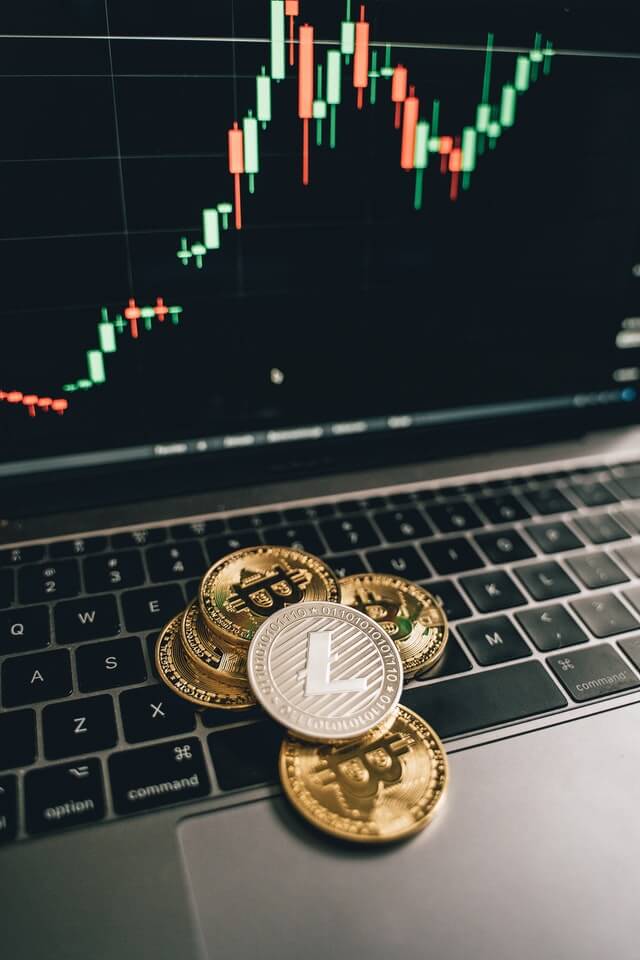

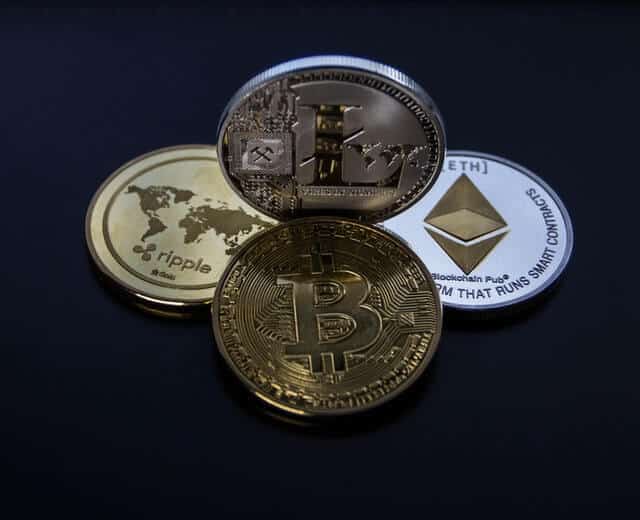
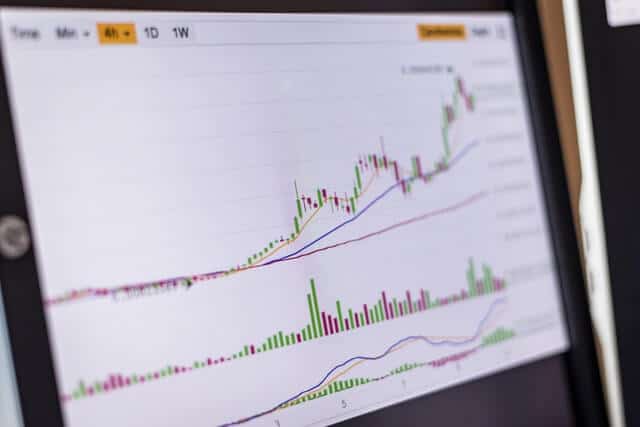







That depends on your risk tolerance, time horizon, and portfolio goals. Bitcoin remains the most established crypto asset, but it is still volatile and speculative. For many investors, the better question is whether a small allocation makes sense rather than whether to make Bitcoin a large bet.