


Bitcoin trading strategy: start with risk, not predictions
A workable Bitcoin trading strategy is usually less exciting than people expect. It starts with risk control before entries, not with trying to call the next huge move.
If you are trading a market as volatile as Bitcoin, the basics do most of the heavy lifting: keep position sizes sensible, define where the trade is invalid before you enter, and use stop-loss or stop-limit orders when they fit your setup. If you want the broader foundation first, our crypto trading guide is a good place to start.
There is no single best crypto trading method for everyone. The better question is this: what approach can you follow consistently without letting volatility, leverage, or headlines knock you off plan?
What is the best crypto trading method for Bitcoin?

For most traders, the best method is not the most complicated one. It is the one that matches your timeframe, your experience level, and the amount of risk you can actually manage.
A practical Bitcoin trading method usually includes:
- trading with the broader trend instead of fighting it
- waiting for clear levels, structure, or confirmation
- keeping emotions out of entries and exits
- reviewing trades and adjusting based on evidence
- using products and order types you genuinely understand
That matters even more in crypto because volatility can be extreme. Sharp intraday moves create opportunity, but they also punish poor risk management very quickly. Volatility is not a strategy by itself. It only becomes useful when paired with discipline.
Choose a trading style that matches your timeframe
One of the biggest improvements traders can make is choosing a style before choosing indicators. A setup that works for a day trader often fails for a swing trader because the holding period, stop placement, and decision speed are completely different.
Day trading focuses on short-term moves, often within the same session. It usually depends on strong liquidity, clear intraday levels, and fast execution. This style can work well when Bitcoin is moving cleanly, but it becomes much harder when price action is choppy.
Swing trading gives trades more time to develop, often over several days or weeks. For many traders, this is easier to manage because it reduces noise and lowers the pressure to react to every candle. Swing setups still need technical structure, but they also benefit from awareness of broader sentiment and major news.
Position holding sits closer to investing than active trading. It usually means accepting larger drawdowns in exchange for a longer-term thesis. The obvious risk is that a weak thesis can turn into passive bag-holding. Even longer-term Bitcoin positions still need an exit plan and sensible sizing.
The point is not that one style is best. It is that your strategy should fit the amount of time you can realistically commit and the kind of volatility you can handle without making emotional decisions.
Core rules for a Bitcoin trading strategy
1. Build around volatility
Bitcoin can move far more aggressively than many traditional assets. That means wider swings, faster invalidations, and more false confidence when a trade moves in your favour early.
Instead of chasing every move, build your strategy around that volatility. In practice, that often means smaller size, wider but planned stops, and less trading during chaotic sessions. If you cannot explain where your trade is wrong before you enter, the setup probably is not ready.
One of the easiest mistakes beginners make is taking too much risk too early. Oversized positions, high leverage, and trying to win losses back quickly can damage an account faster than a bad entry ever will.
2. Define the setup before the trade
A strategy is more than a chart idea. Before entering, you should know:
- what level or condition triggers the trade
- where the trade is invalidated
- how much capital you are risking
- what would make you take profit or reduce exposure
This sounds basic, but it is where many weak trades begin. Traders often enter first and justify the setup later. That usually ends with moved stops, poor exits, and a lot of hindsight analysis that could have been avoided.
3. Keep emotions away from the chart
One of the fastest ways to damage a trading account is to become emotionally attached to a coin, a bias, or a previous trade. Bitcoin does not care whether you were bullish yesterday. A good strategy relies on structure, not hope.
Emotional trading often shows up as revenge trading, moving stops, averaging into weak positions, or refusing to take a loss. Those habits matter more than the indicator you choose.
It also helps to avoid getting too confident after a quick win or too defensive after a small drawdown. Clear stop-losses, planned targets, and predefined position size do more to control emotions than willpower alone.
4. Use confluence, not indicator overload
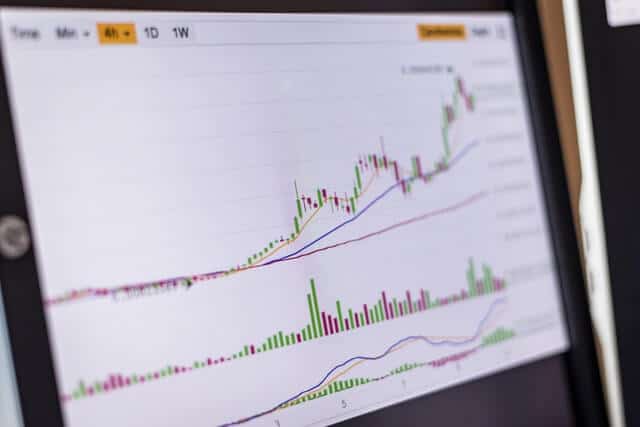
Most traders do not need ten indicators on one chart. A cleaner approach is to combine a few forms of confirmation that make sense together, such as trend direction, support and resistance, momentum, and volume.
For example, a trader might look for Bitcoin to trend above a key moving average, pull back into support, and then show renewed momentum before entering. That is a usable framework. Filling the screen with conflicting signals usually is not.
If you want extra confirmation for setups, the AltAlgo indicator can help add structure without turning analysis into guesswork.
5. Review, adapt, and keep improving
Most traders do not improve because they repeat the same mistakes without tracking them. If you are serious about building a cryptocurrency trading strategy, review your entries, exits, sizing, and timing. A simple trade journal is often more useful than adding another indicator.
Start small if needed. Many traders learn faster when they reduce size and focus on execution quality first. Once your process is consistent, scaling becomes much easier.
6. Understand the product you are trading
Spot Bitcoin, perpetual contracts, futures, and options do not behave in exactly the same way from a risk perspective. Fees, funding, liquidation mechanics, and margin requirements can all change the outcome of a trade.


If you are trading leveraged products, it helps to understand the instrument itself before worrying about advanced setups. For a clearer breakdown, see What are Cryptocurrency Perpetual Contracts?, What are Cryptocurrency Futures?, or What are Cryptocurrency Derivatives?.
7. Combine technical and fundamental context
Technical analysis does most of the work for entries and exits, but fundamentals still matter. Bitcoin can react sharply to exchange issues, regulation headlines, ETF developments, security incidents, and macroeconomic data.
You do not need to trade every headline. You do need to know when news could change sentiment fast enough to invalidate an otherwise clean setup. In practice, that means checking the calendar, staying aware of major market events, and avoiding the mistake of treating every chart as if it exists in isolation.
For example, U.S. regulators can shape how many market participants think about crypto products and disclosures. If regulation affects your venue or instrument, check the source directly rather than relying on social media summaries.
8. Respect liquidity and execution
Liquidity matters more than many traders realise. A setup can look perfect on the chart and still perform badly if the market is too thin. Wider spreads, slippage, and weak order book depth can make entries and exits much worse than expected.
For Bitcoin itself, liquidity is usually strongest on major venues. Problems tend to appear when traders apply the same strategy to smaller altcoins or thin pairs and assume execution will be similar. If the market cannot absorb your order cleanly, your execution risk rises immediately.
Exchange considerations for Bitcoin trading
Your exchange should match the way you trade. A short-term derivatives trader needs different tools from a spot trader or swing trader. Execution quality, fees, liquidation mechanics, and ease of use all affect results.
It is also worth avoiding unfamiliar or thinly used platforms just because they offer aggressive leverage or a long list of obscure coins. Better-known exchanges usually offer deeper liquidity, more stable execution, and clearer risk controls. That does not remove trading risk, but it can reduce avoidable operational mistakes.
Below is a quick overview of exchanges mentioned in the earlier version of this guide. Features, availability, and platform terms can change, so always verify current conditions directly with the exchange before opening an account or placing trades.
BitMEX trading

BitMEX has long been associated with experienced derivatives traders and perpetual products. The main issue for newer traders is not the platform itself but how easy it is to misuse leverage. If you trade there, conservative leverage and strict risk controls matter more than clever entries.
BitSeven trading

BitSeven was previously highlighted for its simpler interface and contract structure. As with any exchange-specific mention, traders should confirm whether the platform still fits their jurisdiction, preferred instruments, and risk controls before using it.
Bybit trading
Bybit is a well-known crypto derivatives venue with a cleaner user experience than some older platforms. Even so, a good interface does not reduce trading risk. The same rules apply: understand the product, define your risk, and avoid using leverage just because it is available.
A simple Bitcoin trading framework
If you want a practical starting point, keep it simple:
- Identify the higher-timeframe trend.
- Mark the key support and resistance levels.
- Wait for price to reach an area that matters.
- Look for confirmation instead of predicting blindly.
- Set invalidation before entry.
- Risk a small, fixed portion of capital.
- Review the trade afterward, win or lose.
That framework will not make every trade work. Nothing will. What it does do is reduce random decision-making, which is where most avoidable losses begin.
Tools can help, but process matters more
Most traders do not fail because they lack tools. They fail because they abandon their plan after a few losses or increase risk after a few wins. Indicators, signals, and alerts can help with structure, but they work best when they support a disciplined process.
If you prefer guided trade ideas rather than fully manual analysis, our AltSignals trading signals may be a useful next step.
Final thoughts
The best cryptocurrency trading strategy for Bitcoin is usually the one you can follow consistently. That means clear entries, defined risk, emotional control, and a platform that matches your style.
For some traders, that means short-term execution. For others, it means swing trading or holding a smaller long-term position while actively managing risk around it. Keep the process simple, stay realistic about volatility, and let discipline do more of the work.
Nothing here removes market risk, and no strategy wins all the time. The goal is not perfection. It is to trade in a way that keeps you in the game long enough to improve.
FAQ
What is the safest Bitcoin trading strategy for beginners?
Is day trading Bitcoin better than swing trading?
Not necessarily. Day trading offers more opportunities, but it also demands faster decisions, more screen time, and tighter execution. Swing trading is often easier for newer traders because it reduces noise and gives setups more time to develop.
Should you use leverage in a Bitcoin trading strategy?
Only if you fully understand the product and the added risk. Leverage can magnify gains, but it also increases liquidation risk and makes poor discipline much more expensive. For many traders, especially beginners, lower leverage or no leverage is the better choice.
Do Bitcoin trading signals replace your own strategy?
No. Signals can help with structure and idea generation, but they work best when you still understand risk, position sizing, and the market conditions behind the trade. Treat them as support, not as a substitute for judgment.













Usually, a simple spot or low-frequency swing approach with small position sizes is safer than high-leverage intraday trading. Beginners tend to benefit more from learning risk management and execution than from chasing fast returns.