The Landscape of Forex Signal Providers
Forex signal providers can help traders spot setups faster, but the quality gap between services is wide. Some providers focus on speed, some on analysis, and some on marketing more than results. If you are comparing forex signal providers, the useful questions are simple: are the signals clear, are they delivered on time, and does the service help you manage risk rather than chase trades?
This review looks at the features that usually separate stronger providers from weaker ones, including accuracy, reliability, platform usability, trader support, and the practical value a signal service adds to day-to-day trading. That last point matters more than many traders think. A provider is not useful just because it sends alerts. It needs to improve decision-making, reduce wasted screen time, and help traders stay disciplined when markets move quickly.
AltSignals.io: A Strong Option for Traders Who Want Structured Signals

AltSignals.io stands out because it focuses on practical signal delivery rather than vague market commentary. The service uses AI-assisted analysis alongside market expertise to identify trade opportunities across active markets, with an emphasis on clarity and timing.
For traders, that matters. A signal is only useful if it arrives quickly enough to act on and includes enough context to support a decision. AltSignals aims to keep that process straightforward, which is especially helpful for newer traders who want cleaner execution and for experienced traders who want signals they can filter into their own process.
A good signal service should also make trading more efficient. Instead of spending hours scanning charts, traders can use signals as a structured starting point, then decide whether the setup fits their own plan. That does not remove risk, but it can make the process more consistent and less reactive.
Another practical advantage is coverage. A useful provider should be able to monitor major currency pairs, react to changing market conditions, and update traders when a setup is no longer valid. That is where structured FX signals tend to add the most value: not as a shortcut to guaranteed profits, but as a way to bring more consistency and speed into the trading process.
If your focus is forex specifically, it also helps to understand how signal services fit into the wider forex trading process rather than relying on rankings alone.
Key Features of Top Forex Signal Providers
The better forex signal providers usually share a few core traits:
- Accuracy: No provider gets every trade right, but stronger services show a consistent process rather than random wins. Look for signals backed by analysis, not just bold claims.
- Reliability: Delivery speed matters in forex. Delayed alerts can turn a valid setup into a poor entry, so dependable infrastructure is a real part of signal quality.
- Real-time updates: Markets move quickly. Good providers update traders when conditions change, instead of leaving them with stale entries or unmanaged setups.
- User-friendly experience: Signals should be easy to read and act on. If the format is confusing, execution errors become more likely.
- Market context: The best services do more than send entries. They help traders understand why a setup exists and where the risk sits.
- Support and transparency: Reviews, published results, and responsive support all help traders judge whether a provider is serious about long-term trust.
When traders compare providers more closely, four checks tend to matter most: how often signals are broadly accurate over time, how quickly they are delivered, whether the risk-to-reward profile is sensible, and whether support is responsive when traders need clarification. Those basics are less flashy than marketing claims, but they are usually what separates a usable service from a disappointing one.
Readers who also trade digital assets can compare how signal-based trading differs in our crypto trading guide.
How Forex Signal Services Add Value in Practice
The real value of a forex signal service is not that it replaces trading skill. It is that it can improve the way traders work. For beginners, signals can provide structure and reduce the guesswork that often leads to impulsive entries. For more experienced traders, signals can act as a second layer of analysis or a time-saving filter for markets worth watching.
Strong providers also help reduce emotional trading. When a trader has clear entry, stop-loss, and target levels in front of them, there is less temptation to improvise in the heat of the moment. That does not guarantee better outcomes on every trade, but it can support more disciplined execution over time.
Another practical benefit is speed. Forex markets can move quickly around macro data releases, central bank commentary, and shifts in sentiment. Real-time signal delivery gives traders a better chance of reacting while a setup is still valid, rather than spotting it too late after the move has already developed.
Confidence is part of the equation too, especially for newer traders. Used properly, signals can help traders understand what a structured setup looks like and why risk parameters matter. The goal should not be blind dependence on alerts. It should be better decisions, better process, and fewer avoidable mistakes.
In practice, many traders use FX signals in a simple workflow: review the setup, check whether it matches their own bias, confirm position size, and only then execute. That extra pause matters. It turns a signal from a prompt into part of a repeatable trading routine.
User Feedback and Satisfaction
User feedback is useful, but it should be read carefully. A handful of glowing testimonials is not enough on its own. What matters more is whether traders repeatedly mention the same strengths: timely alerts, clear trade levels, responsive support, and a service that feels consistent over time.
AltSignals is often praised for reliability and ease of use. Traders also tend to value services that do not overpromise. In signal trading, realistic expectations are healthier than inflated win-rate claims, because losses and drawdowns are part of any real trading environment.
If you want an extra layer of verification beyond testimonials, reviewing published trading results can help you compare marketing claims with tracked performance.


Performance Benchmarks: AltSignals.io vs. Competitors
When traders compare providers, they often focus too heavily on headline win rate. That can be misleading. A better comparison includes signal timing, clarity of entries and exits, consistency across market conditions, and whether the provider helps traders manage downside risk.
Against those benchmarks, AltSignals compares well because the service is built around usable signals rather than generic trade ideas. The combination of AI-assisted analysis, timely delivery, and ongoing product development gives traders a more structured experience than many basic signal channels.
It is also worth asking a simpler question: does the provider actually make trading easier to execute well? If a service improves speed, reduces emotional decision-making, and gives traders clearer setups, that is real value. If it mainly relies on bold claims and selective screenshots, it is probably not.
That does not mean any provider should be followed blindly. Even strong services should be tested with sensible position sizing, realistic expectations, and a clear understanding that market conditions can change quickly.
One useful way to compare providers is to separate marketing language from operating quality. A service may advertise a high success rate, but if alerts arrive late, trade levels are vague, or losing setups are quietly ignored, the headline number tells you very little. Traders are usually better served by looking for consistency, transparency, and a process they can actually follow in live conditions.
Choosing the Right Provider
Choosing the right forex signal provider comes down to fit as much as reputation. A provider may look impressive on paper, but it still needs to match your trading style, risk tolerance, and execution speed.
Before subscribing, check a few basics:
- Are the signals delivered consistently and in real time?
- Is the trade setup clear enough to execute without guesswork?
- Does the provider show evidence of past performance or transparent reporting?
- Are reviews broadly credible rather than overly promotional?
- Does the service support disciplined trading instead of encouraging overtrading?
It also helps to look at how flexible the service is. Can you tailor alerts to the markets you actually trade? Does the provider cover the major forex pairs you care about? Can you use the signals as standalone trade ideas, or as confirmation alongside your own chart work? Those details often matter more than a flashy ranking table.
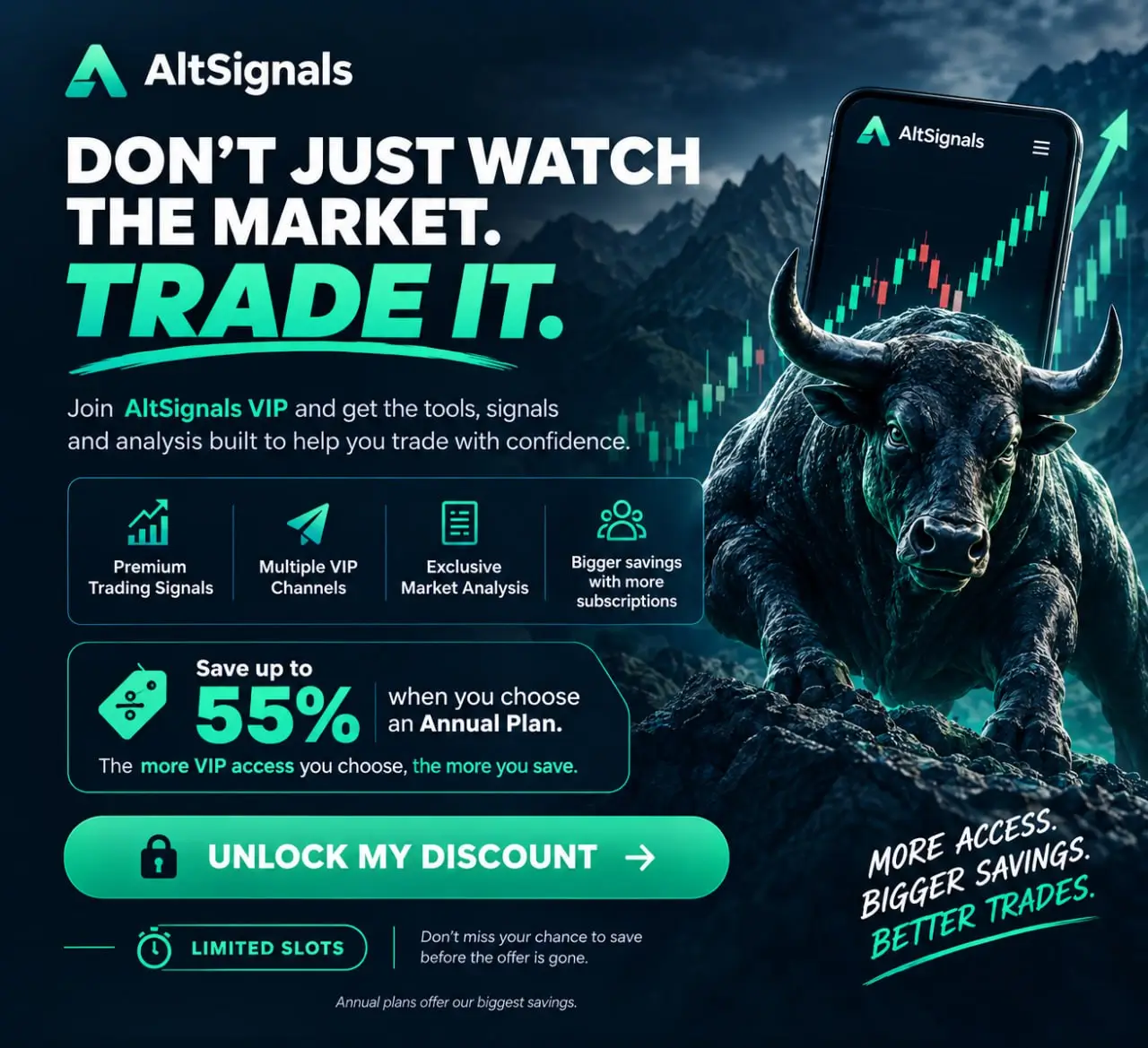
If your goal is to follow a dedicated service rather than compare the whole market, you can explore AltSignals trading signals for a closer look at how the platform presents opportunities across supported markets.
For traders who want a more hands-on tool for chart-based decision-making, the AltAlgo indicator is also worth a look alongside signals.
For traders who want a direct next step after comparing providers, you can join AltSignals when you are ready to test the service for yourself.
FAQ: Forex Signal Providers
What are FX signals?
FX signals are trade alerts that suggest potential buy or sell opportunities in the forex market. A typical signal includes an entry level, stop-loss, and one or more target levels. Some providers also include brief market context so traders understand why the setup exists.
Are forex signals suitable for beginners?
They can be useful for beginners if they are treated as a learning and decision-support tool rather than something to follow blindly. Clear signals can help newer traders understand structure, timing, and risk management, but they still need sensible position sizing and realistic expectations.
How do I compare forex signal providers?
Start with clarity, timing, transparency, and risk management. A good provider should deliver signals quickly, explain setups clearly, and avoid exaggerated claims. Published results and consistent user feedback can help, but they should be viewed alongside the provider’s overall process.
What performance metrics matter most when reviewing a forex signal provider?
The most useful metrics are signal accuracy over time, delivery speed, clarity of entry and exit levels, and whether the provider uses sensible risk-to-reward setups. Support quality also matters, especially if traders need quick clarification during active market conditions.
Can forex signals guarantee profits?
No. Forex signals can improve structure and save time, but they do not remove market risk. Even strong providers will have losing trades and periods of weaker performance, especially when volatility changes quickly.