

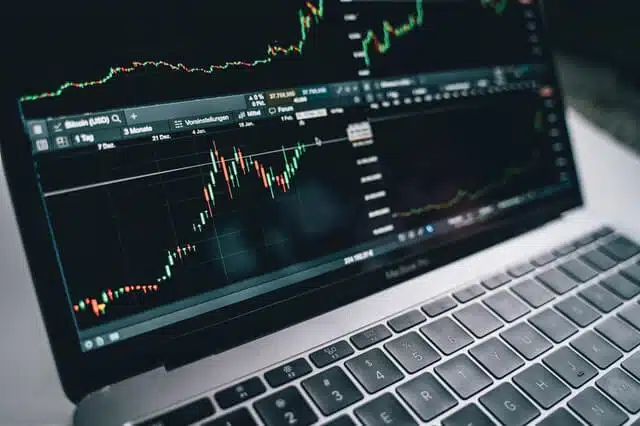
Crypto signals groups are communities or channels that share trade ideas for the crypto market. In practice, that usually means a message with the asset, entry zone, stop-loss, take-profit targets, and sometimes a short explanation of the setup.
You’ll usually find these groups on Telegram, Discord, email lists, or inside private member dashboards. Some are free. Many charge a monthly fee. A few are run professionally. Plenty are not.
That last part matters.
If you’re trying to work out whether a crypto signals group is worth joining, the real question is not just what it is. It’s whether the group is transparent, realistic about risk, and useful enough to help you make better decisions rather than blindly copy trades.
This guide breaks down how crypto signals groups work, what they usually include, what to watch out for, and how to judge whether a provider is credible.
What are crypto signals groups?
A crypto signals group is a service or community that sends trading ideas to members. Those ideas are usually built around short-term or swing trades in Bitcoin, Ethereum, or altcoins.
A typical signal may include:
- the coin or trading pair
- an entry price or entry range
- a stop-loss level
- one or more take-profit targets
- the market type, such as spot or futures
- a brief note on why the trade is being taken
Some groups only post alerts. Others add chart analysis, market commentary, risk guidance, and trade management updates after the signal is sent.
That difference is important. A group that only shouts “buy now” is not offering much. A group that explains the setup, the invalidation level, and how position sizing should work is far more useful, especially for newer traders.
How do crypto signals groups work?
Most groups follow a simple model:
- An analyst or trading team scans the market.
- They identify a setup based on technical analysis, momentum, news flow, or a broader trading strategy.
- They send the signal to members.
- Members decide whether to take the trade and how much risk to use.
Signals may be manual, algorithm-assisted, or a mix of both. Delivery is usually fast because timing matters, especially in volatile markets.
Some providers focus on high-frequency alerts. Others send fewer setups with more context. Neither approach is automatically better. What matters is whether the strategy is consistent and whether the provider communicates clearly.
If you’re still getting familiar with the basics, it helps to start with a broader crypto trading guide before relying on any signal service.
What do crypto signals groups usually cost?
Pricing varies a lot. Free groups are common, but they often act as a funnel into a paid VIP channel. Paid memberships can range from low monthly fees to premium subscriptions for more frequent alerts, futures setups, or direct analyst access.
Price alone tells you very little.
A cheap group can still be poor quality, and an expensive one can still be all marketing and no edge. The better question is whether the provider shows a clear method, realistic expectations, and transparent reporting.
What makes a good crypto signals group?
A solid crypto signals group usually has a few things in common:
- Clear trade structure: entries, exits, stop-losses, and market context are easy to understand.
- Risk management: the provider talks about position sizing and losing trades, not just winners.
- Transparency: results are tracked consistently rather than cherry-picked after the fact.
- Reasoning: signals come with at least some explanation, not just raw numbers.
- Reliable communication: updates are timely if market conditions change.
- Realistic tone: no promises of guaranteed profits or “never lose” systems.
In other words, the best groups behave more like disciplined trading services than hype channels.
Red flags to watch for
The crypto signals space has always attracted low-quality operators, and that has not changed. Be cautious if you see any of the following:
- guaranteed profit claims
- screenshots with no verifiable context
- only winning trades shown publicly
- pressure tactics like “join in the next 10 minutes”
- no stop-loss guidance
- wild leverage suggestions for beginners
- heavy referral pushing to exchanges or products with little educational value
- no clear record of past calls, updates, or losses
Regulators such as the UK FCA and the U.S. SEC have repeatedly warned that crypto markets carry high risk and that promotions can be misleading. A signals group should help you manage risk, not ignore it.
How to evaluate a crypto signals group before joining
If you’re comparing providers, use a simple checklist.
1. Look at transparency, not just member count
A large Telegram group can look impressive, but size is easy to fake and popularity does not equal quality. Focus on whether the provider publishes consistent results, explains losses, and updates trades properly.


2. Check whether results are reported responsibly
Be wary of vague claims like “95% accuracy” without methodology. Markets are messy. Even strong traders have losing streaks. Honest reporting usually looks less flashy and more believable.
3. Review the quality of analysis
Do they explain why a setup exists? Do they mention support and resistance, trend structure, momentum, or invalidation? If not, you may just be paying for alerts with no learning value.
4. Assess risk guidance
A provider that never mentions stop-losses, leverage, or position sizing is skipping the part that matters most.
5. Test communication and support
If there is a community element, is it useful? Are updates clear when a trade changes? Can members ask sensible questions and get sensible answers?
6. Understand the market focus
Some groups focus on spot trades. Others focus on futures, scalping, or swing trading. Choose a service that matches your experience level and risk tolerance.
Are crypto signals groups good for beginners?
They can be, but only if beginners use them the right way.
A good group can help newer traders see how setups are structured, how entries and exits are planned, and how risk is managed. That can shorten the learning curve.
A bad habit is treating every signal like a guaranteed shortcut. That usually ends badly.
If you’re new, use signals as decision support and education, not as a substitute for understanding the trade. Even a strong signal can fail. Crypto is volatile, liquidity changes quickly, and news can invalidate a setup in minutes.
Crypto signals groups vs signal providers
People often use these terms interchangeably, but there is a slight difference.
A crypto signals group usually refers to the channel or community where alerts are shared. A signal provider is the business, analyst, or team producing those alerts.
That means you should judge both:
- the quality of the signals themselves
- the quality of the group experience around them
If you want to compare what a structured service looks like, you can explore AltSignals trading signals and review how signals, analysis, and reporting are presented.
Should you join a crypto signals group?
A crypto signals group can be useful if you want trade ideas, market structure, and a second layer of analysis. It can also be a waste of money if the provider relies on hype, hides losses, or encourages reckless trading.
The best approach is simple:
- treat signals as input, not instructions
- check whether the provider is transparent
- make sure risk management is part of the service
- avoid anyone promising easy money
If your goal is to become a better trader, the right group should help you think more clearly about setups and risk. If it only encourages blind copying, keep your wallet closed.
FAQ
Are crypto signals groups legal?
Do free crypto signals groups work?
Some free groups can be useful, but many are limited, promotional, or designed to upsell a paid tier. Free access can be a decent way to judge communication style and analysis quality before paying, but it should not replace proper due diligence.
Can you make money with crypto signals groups?
Possibly, but there are no guarantees. Results depend on market conditions, execution, fees, slippage, leverage, and how you manage risk. Even strong providers will have losing trades.
What should a crypto signal include?
At minimum, a useful signal should include the asset, entry level or range, stop-loss, take-profit target or targets, and whether it is a spot or futures setup. A short explanation of the trade idea makes it much more valuable.












That depends on the jurisdiction, how the service is marketed, and what exactly is being offered. Sharing market commentary or trade ideas is not the same as regulated investment advice in every country, but the line can get blurry. Always check local rules and be cautious with providers making aggressive financial claims.