


NFTs are easy to overcomplicate. At their core, a non-fungible token is a unique token recorded on a blockchain that can point to ownership, authenticity, or access rights for a specific item.
That item might be digital art, an in-game asset, a music collectible, a membership pass, or a record tied to a real-world object. The key idea is simple: unlike Bitcoin or Ether, one NFT is not interchangeable with another.
If you have ever wondered what NFTs actually are, how they work, and why people buy them, this guide breaks it down without the hype.
Disclaimer: The information shared by AltSignals and its writers should not be considered financial advice. This article is for educational purposes only. We are not responsible for any investment decision you make after reading this post. Never invest more than you can afford to lose, and consider speaking with a qualified financial adviser.
What are NFTs?
NFT stands for non-fungible token.
Non-fungible means unique and not interchangeable on a one-for-one basis. A $10 note is fungible because you can swap it for another $10 note and still have the same value. An NFT is different because each token has its own identifier and metadata.
In practice, an NFT acts like a blockchain-based record that can be used to show:
- ownership of a digital collectible
- proof of authenticity
- access to a community, event, or service
- a claim linked to a specific asset or file
That does not always mean the NFT gives full copyright or legal ownership of the underlying content. In many cases, it only proves ownership of the token itself, with rights defined separately by the creator or platform.
How NFTs differ from cryptocurrencies
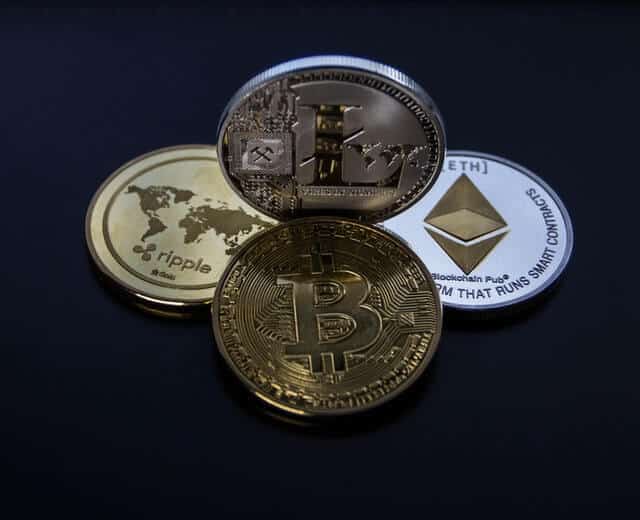
Cryptocurrencies such as Bitcoin, Litecoin, or Ether are usually fungible. One unit is broadly the same as another unit of the same asset.
NFTs are different because each token is distinct. Even if two NFTs belong to the same collection, they can still have different traits, rarity, utility, or market value.
That is why NFTs are often used for collectibles and digital items where uniqueness matters.
How do NFTs work?
NFTs are typically created using smart contracts on a blockchain. Ethereum helped popularise the format, but it is no longer the only network used for NFTs. Other blockchains also support them.
When an NFT is created, or “minted,” a token is added to the blockchain with data that usually includes:
- a unique token ID
- the wallet address of the owner
- metadata describing the asset
- a link to the associated media or content
The blockchain records transfers between wallets, which makes ownership history publicly verifiable. That transparency is one reason NFTs became popular.
Still, there is an important catch: the image, video, or file connected to an NFT is often stored off-chain. So the token may prove ownership of the NFT record, while the underlying media depends on how the project stores and maintains it.
What can an NFT represent?
NFTs are not limited to profile pictures or digital art. They can represent a wide range of assets and rights, including:
- digital art and collectibles
- in-game items
- music and media releases
- domain names and digital identity assets
- event tickets or membership passes
- tokenised records linked to physical items
That flexibility is part of the appeal. The market, however, has also shown that flexibility alone does not guarantee lasting value.
CryptoKitties and the early NFT boom
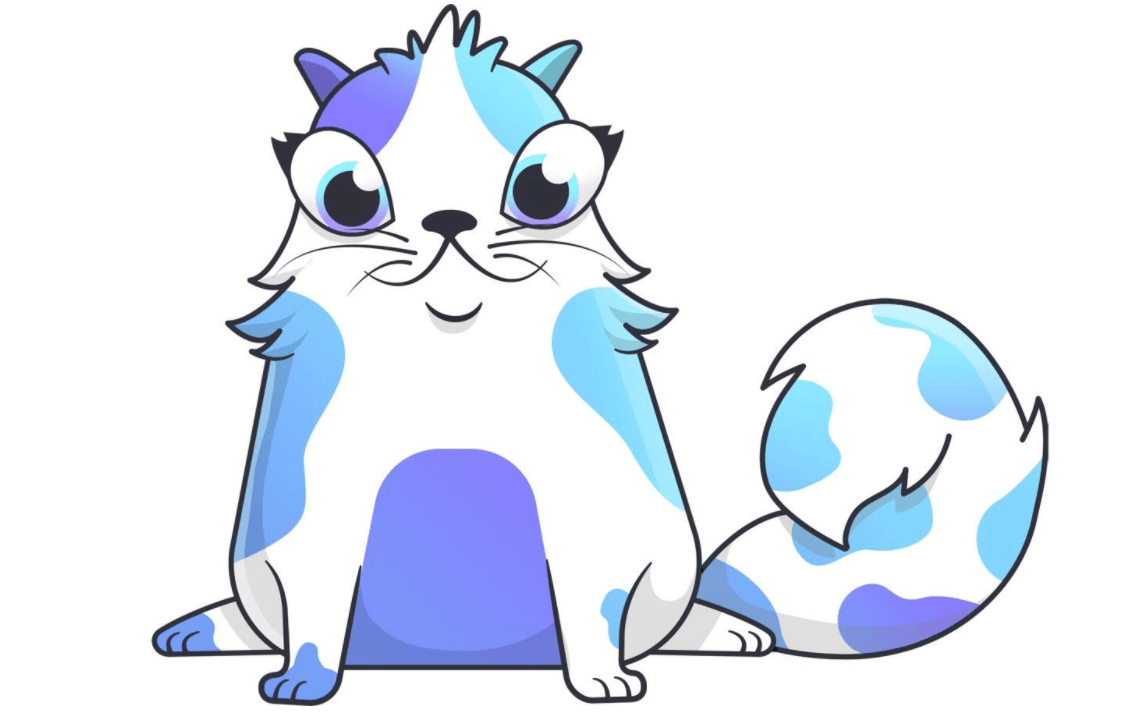
One of the earliest mainstream NFT examples was CryptoKitties, a blockchain game that became widely known in 2017.
Users could buy, collect, and breed digital cats with different traits. Each cat was unique, which made it a natural fit for NFT-style ownership. CryptoKitties helped introduce the idea that blockchain tokens could represent collectibles rather than just currencies.
It also showed a practical lesson that still matters today: when demand spikes, network congestion and transaction costs can become a real issue.
Why did NFTs become so popular?
NFTs gained mainstream attention because they combined a few powerful ideas:
- digital ownership: collectors could hold a verifiable token in their own wallet
- scarcity: creators could issue limited items
- creator monetisation: artists and brands could sell directly to buyers
- community: some NFT collections doubled as online clubs or status symbols
That said, popularity and long-term value are not the same thing. Many NFT projects were driven more by speculation than utility, which is why the market has seen sharp booms and equally sharp cooldowns.
Can tweets and posts be sold as NFTs?
Yes. In the early NFT wave, social posts, memes, and tweets were tokenised and sold as collectibles. One well-known example was Jack Dorsey’s first tweet, which was sold as an NFT.
What the buyer received was not ownership of Twitter itself or exclusive control over the text. They bought the tokenised collectible associated with that post.
This is a useful example because it highlights a common misunderstanding: buying an NFT usually means buying the token and whatever rights come with it, not automatically buying the full intellectual property behind the content.
What gives an NFT value?
NFT value is highly subjective. Common drivers include:
- creator reputation
- rarity
- community demand
- utility or access
- cultural relevance
- broader crypto market sentiment
Unlike traditional assets, many NFTs do not produce cash flow or have a clear valuation model. That makes pricing volatile and often speculative.
Main risks of NFTs
If you are looking at NFTs as a buyer, trader, or collector, the risks matter just as much as the concept.
- Volatility: prices can rise quickly and fall even faster.
- Low liquidity: owning an NFT is one thing; finding a buyer is another.
- Rights confusion: token ownership does not always equal copyright ownership.
- Platform risk: marketplaces, wallets, and linked storage systems can fail or change.
- Scams and wash trading: fake collections, phishing, and manipulated volumes have all been common in the space.
- Regulatory uncertainty: treatment can vary by jurisdiction and by how the NFT is structured or marketed.
If you want a broader foundation before exploring NFT markets, start with our crypto trading guide.
Are NFTs still relevant in 2026?
Yes, but the conversation is more practical now.
The loudest speculative phase has cooled, and that is probably healthy. In 2026, NFTs are still relevant where they solve a real problem or improve digital ownership, ticketing, gaming, identity, or community access.
What has faded is the idea that every NFT collection is automatically an investment. Markets have become more selective, and buyers are generally more focused on utility, credibility, and liquidity.
Final thoughts
NFTs are unique blockchain-based tokens that can represent ownership, authenticity, or access tied to a specific item. That makes them different from standard cryptocurrencies, which are interchangeable.
The concept is useful. The market around it can be messy.
If you are exploring crypto more broadly, it helps to understand the difference between technology and speculation. NFTs sit right at that intersection.
For readers following crypto markets more actively, you can also explore AltSignals trading signals for broader market coverage.
FAQ
Does owning an NFT mean I own the copyright?
Are NFTs only used for digital art?
No. NFTs can also be used for gaming items, memberships, tickets, music releases, identity assets, and records linked to physical goods.
Can an NFT be copied?
The associated image or file can usually be copied, downloaded, or screenshotted. What cannot be duplicated in the same way is the blockchain record showing ownership of the original token.
Are NFTs a good investment?
They can be highly speculative. Some NFTs hold value, but many lose liquidity or fall sharply in price. They should be approached with caution rather than treated as guaranteed investments.








Not necessarily. In most cases, owning an NFT means you own the token, while copyright and commercial rights depend on the creator’s terms and the platform rules.