

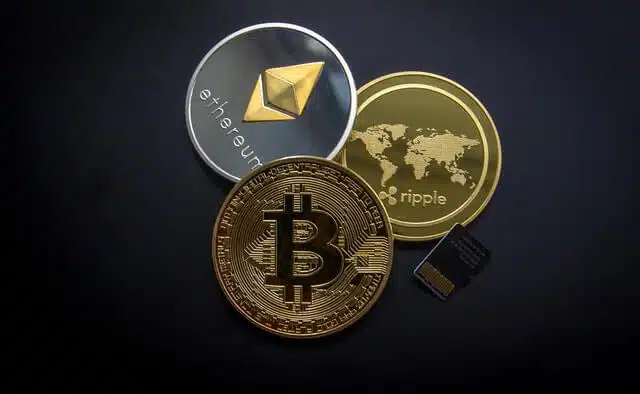
Alt season is the period when altcoins outperform Bitcoin for a stretch of time. In plain English: money starts rotating out of BTC and into other crypto assets, and a large part of the altcoin market rises faster than Bitcoin.
That sounds exciting, but it is also where traders get sloppy. Alt seasons can create outsized moves, sharp reversals, and plenty of low-quality projects riding the hype. If you understand what usually drives an alt season, how to spot the signs, and where the risks sit, you are far less likely to confuse momentum with a free lunch.
Disclaimer: This article is for educational purposes only and should not be considered financial advice. Crypto markets are volatile, and altcoins are usually riskier than Bitcoin. Never invest money you cannot afford to lose, and consider speaking with a qualified financial adviser before making investment decisions.
What are altcoins?
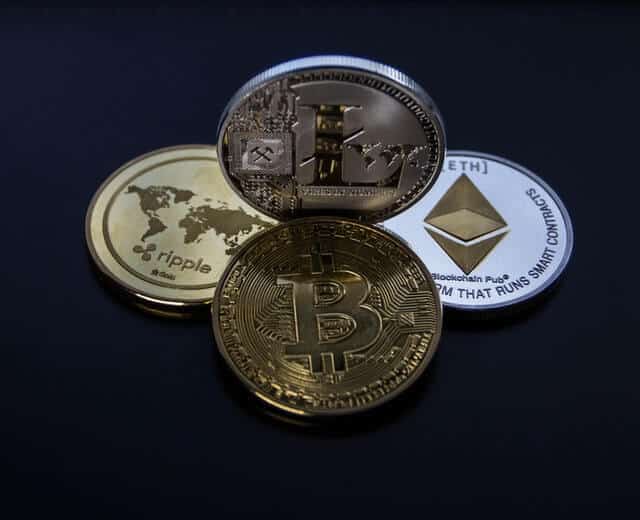
Altcoins are cryptocurrencies other than Bitcoin. The term covers a wide range of assets, including large-cap networks like Ethereum, exchange tokens, DeFi tokens, gaming tokens, meme coins, and newer projects with limited track records.
Not all altcoins are built for the same purpose. Some are designed to power smart contracts, some focus on payments, some give access to a platform or ecosystem, and some are mostly speculative. That difference matters, because during an alt season strong narratives can lift almost everything for a while, but weaker projects often struggle once momentum fades.
A simple way to think about it:
- Bitcoin is usually treated as the market benchmark.
- Altcoins are the rest of the crypto market, with much wider differences in quality and risk.
If you are new to the space, it helps to start with the broader crypto trading guide before trying to trade fast-moving altcoin cycles.
What is an alt season?
An alt season, often called altseason, is a market phase where altcoins collectively outperform Bitcoin over a meaningful period. It is not just one token pumping on social media. The key idea is broader participation across the altcoin market.
In many cycles, Bitcoin leads first. It attracts fresh capital, sets the tone for market sentiment, and pulls the wider market higher. Once Bitcoin cools off or starts moving sideways, traders often rotate into Ethereum and then further out on the risk curve into mid-cap and small-cap altcoins. That rotation is one of the classic patterns associated with alt season.
During these periods, altcoins can rise much faster than Bitcoin. The catch is that they can also fall much faster when sentiment turns.
How alt season usually starts
There is no official bell that rings when alt season begins, but a few conditions often show up together:
- Bitcoin has already had a strong move and starts consolidating rather than trending aggressively higher.
- Risk appetite improves, so traders become more willing to move into smaller and more volatile assets.
- Ethereum and other large altcoins strengthen first, which can signal that capital is broadening beyond BTC.
- Market narratives heat up, such as DeFi, AI-related tokens, gaming, layer-2s, or meme coins.
- Bitcoin dominance weakens, meaning a smaller share of total crypto market value is concentrated in BTC.
None of these signals works perfectly on its own. Alt season is better understood as a rotation in market behaviour than a single indicator.
How to tell if alt season may be underway
Traders usually watch a mix of price action, market breadth, and sentiment rather than relying on one headline metric.
1. Altcoins are outperforming Bitcoin
The clearest sign is relative performance. If a broad group of altcoins is gaining faster than BTC over several weeks, that is more meaningful than one isolated rally.
2. Bitcoin dominance is falling
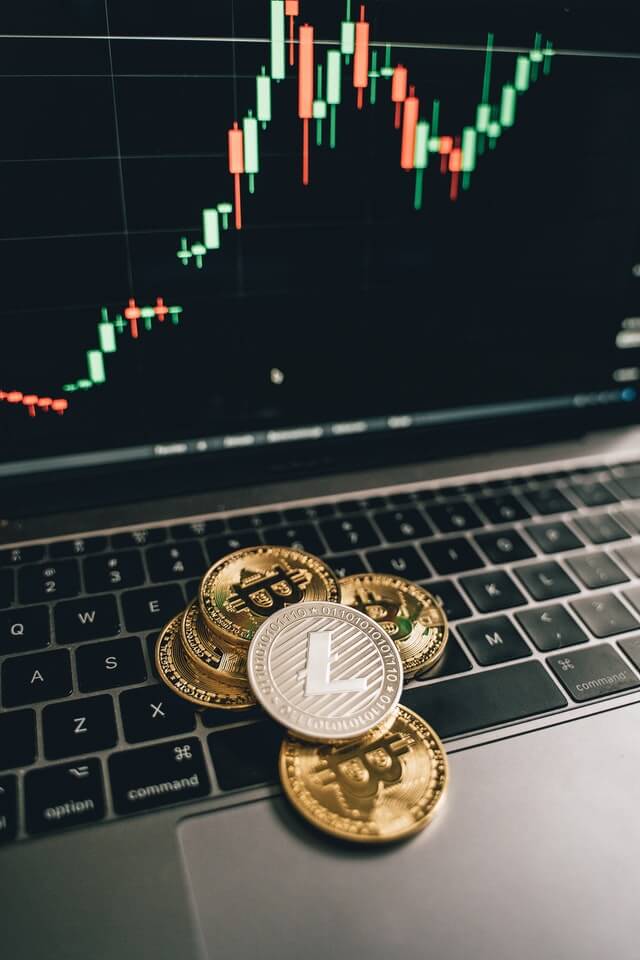
Bitcoin dominance is a commonly used market gauge that tracks Bitcoin’s share of the total crypto market capitalisation. A falling dominance reading can suggest capital is rotating into altcoins. It is useful context, but not a guarantee.
For a reference point on how market cap and dominance are tracked, many traders use data providers such as TradingView’s crypto market charts.
3. Ethereum is leading the next leg
Ethereum often acts as a bridge between Bitcoin strength and broader altcoin participation. When ETH starts outperforming BTC, traders often pay attention.
4. Smaller sectors start moving together
When multiple sectors rally at the same time, it can point to broader speculative appetite. That said, broad rallies late in a cycle can also be a warning sign that the market is overheating.
Why alt seasons are so risky
This is the part many articles gloss over. Alt season can be profitable for some traders, but it is rarely calm, rational, or forgiving.
- Volatility is higher: altcoins can move double digits in a day, in both directions.
- Liquidity can disappear fast: smaller tokens may be hard to exit during sharp sell-offs.
- Narratives can outrun fundamentals: price can rise long before a project proves real adoption.
- Drawdowns are brutal: many altcoins never recover after a major cycle peak.
- Scams and weak projects thrive in euphoric markets: hype tends to lower standards.
That is why alt season should be treated as a high-risk market phase, not as a shortcut to easy returns.


Which altcoins tend to benefit most?
There is no universal answer, and anyone claiming to know exactly which coin will lead the next alt season is guessing with extra confidence.
In broad terms, traders often split altcoins into tiers:
- Large-cap altcoins such as Ethereum tend to attract capital earlier and may carry lower relative risk than smaller tokens.
- Mid-cap projects can benefit when traders move further out on the risk curve.
- Small-cap and micro-cap tokens may post the biggest percentage moves, but they also carry the highest failure risk.
A sensible approach is to focus less on chasing the most explosive chart and more on questions like:
- Does the project have real liquidity?
- Is it listed on reputable exchanges?
- Does it have a clear use case, or is it purely narrative-driven?
- Can you explain why it is moving, beyond “everyone on X is posting about it”?
How traders approach alt season without getting reckless
You do not need to predict the exact start or end of alt season to handle it better. What matters more is having a process.
Use position sizing
Altcoins are usually more volatile than Bitcoin. Smaller positions can help reduce the damage when a trade goes wrong, which it eventually will.
Take profits on the way up
One of the most common mistakes in alt season is confusing unrealised gains with permanent gains. Scaling out into strength can be more practical than trying to sell the exact top.
Avoid overconcentration
Holding ten random low-cap tokens is not diversification. It is often just ten versions of the same risk.
Watch market structure, not just social media
Momentum on X, Telegram, or YouTube can help explain attention, but price structure, volume, and liquidity matter more when real money is on the line.
If you want a more structured way to follow crypto setups, AltSignals trading signals can help you track market opportunities without relying entirely on hype-driven calls.
Does alt season happen in every bull market?
Not always, and not in the same way. Some cycles produce a broad altcoin rally. Others are much more selective, with capital concentrating in a few sectors while the rest of the market lags.
That is why it is risky to assume every Bitcoin rally will automatically lead to a full alt season. Macro conditions, liquidity, regulation, and market sentiment all shape how far risk appetite spreads.
For example, regulators such as the U.S. Securities and Exchange Commission continue to influence how parts of the crypto market are viewed and traded. Regulatory pressure does not stop speculation, but it can change which sectors attract capital and which ones struggle.
Final thoughts
Alt season is the phase when altcoins outperform Bitcoin, usually as capital rotates further into risk across the crypto market. It can create strong opportunities, but it also tends to reward discipline more than excitement.
If you remember one thing, make it this: alt season is not just about finding coins that go up fast. It is about understanding market rotation, managing risk, and knowing that many altcoins look strongest right before they stop being strong.
For a broader view of how these cycles fit into the market, start with our crypto trading guide. If you want to sharpen your chart-reading, the AltAlgo indicator is worth exploring.
FAQ
How long does alt season usually last?
Is alt season good for beginners?
It can look attractive, but it is usually one of the hardest environments for beginners because volatility is high and hype spreads quickly. New traders are often better served by focusing on risk management and avoiding low-liquidity coins.
What is the difference between a Bitcoin rally and alt season?
A Bitcoin rally means BTC is rising. Alt season means altcoins, as a group, are outperforming Bitcoin. Bitcoin often leads first, while alt season tends to come later if capital rotates into the rest of the market.










There is no fixed duration. Some altcoin rallies last a few weeks, while others stretch across months. The length depends on market liquidity, Bitcoin’s behaviour, and how broad the risk appetite becomes.