

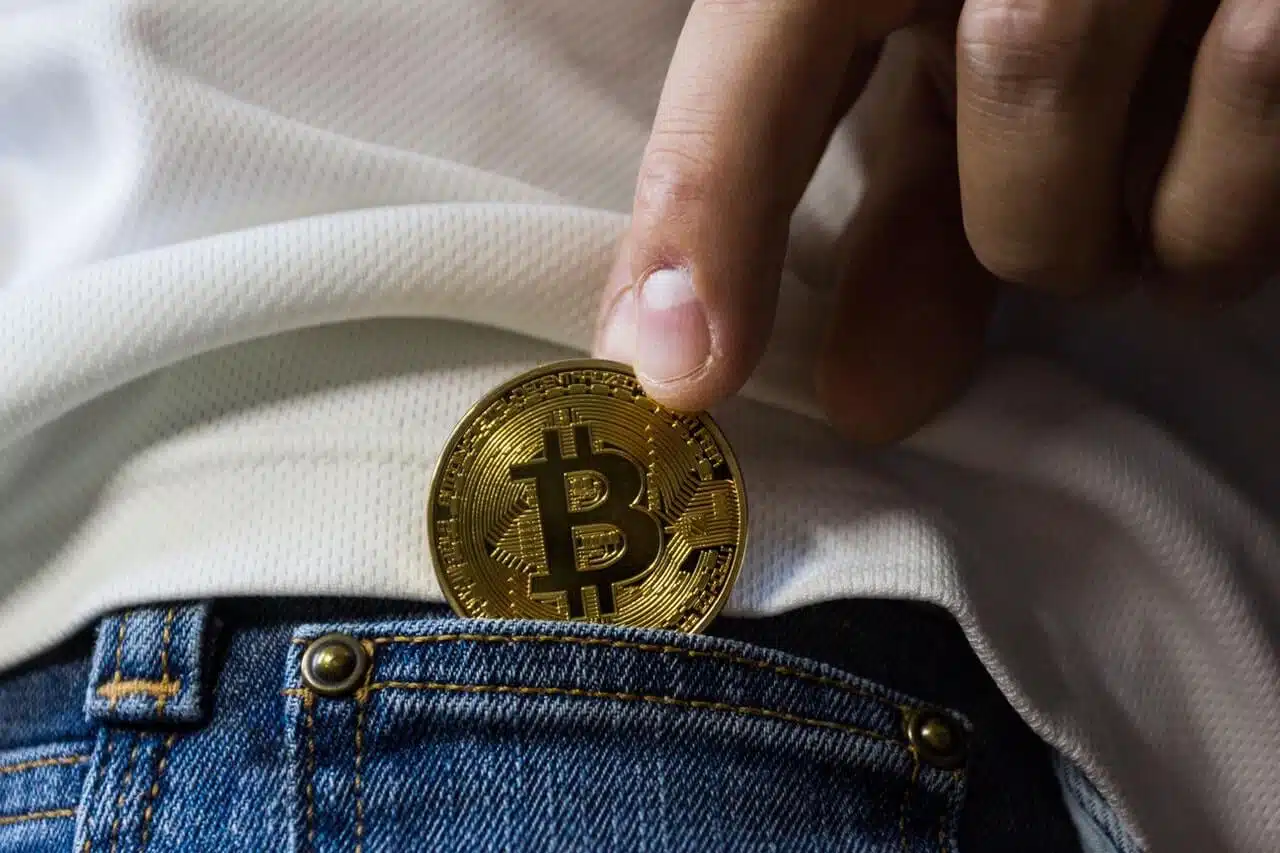
Bitcoin is used for more than speculation. At its core, it is a digital asset and payment network that lets people send value directly to each other without relying on a bank to settle every transaction.
That simple idea leads to a few main use cases: payments, cross-border transfers, long-term saving, and access to a financial system that is open 24/7. It also comes with trade-offs. Bitcoin can be volatile, transaction fees can rise when the network is busy, and self-custody brings real responsibility.
If you want broader market context, start with our crypto trading guide.
Disclaimer: The information shared by AltSignals and its writers is for educational purposes only and should not be considered financial advice. Crypto is volatile and risky. Never invest more than you can afford to lose, and consider speaking with a qualified financial adviser before making financial decisions.
What is Bitcoin used for?
The short answer: Bitcoin is mainly used to store and transfer value.
Unlike traditional money held in a bank account, Bitcoin can be held in a wallet that you control directly. Transactions are recorded on a public blockchain and verified by a decentralized network rather than a single company or government database.
In practice, people use Bitcoin in a few different ways.
1. Sending money directly to another person
This is the original use case. Bitcoin was designed as a peer-to-peer electronic cash system. You can send BTC to someone else without asking a bank to approve the transfer first.
That does not mean every transaction is instant or free, but it does mean the network itself is open to anyone with internet access and a compatible wallet.
2. Cross-border transfers
Bitcoin is often used for international transfers because it does not depend on local banking hours or the same chain of intermediaries used in traditional payments.
For some users, that means faster settlement. For others, it means access. If local payment rails are slow, expensive, or restricted, Bitcoin can be an alternative way to move funds across borders.
That said, the full cost depends on network fees, exchange fees, and how the sender or receiver converts BTC into local currency.
3. A long-term savings asset
Many holders use Bitcoin less like spending money and more like a long-term asset. The reason is simple: Bitcoin has a fixed maximum supply of 21 million coins, which makes it different from fiat currencies that can be expanded by central banks.
This is why you will often hear Bitcoin described as a potential store of value. Supporters see it as a scarce digital asset. Critics point out that its price can swing sharply, which makes it a less stable store of value over shorter timeframes.
Both points matter. Bitcoin may appeal to people looking for scarcity, but it is still a volatile asset.
4. Portfolio diversification
Some investors use Bitcoin as a small part of a broader portfolio alongside stocks, cash, commodities, or other assets. The idea is not that Bitcoin is risk-free. It clearly is not. The idea is that it behaves differently from many traditional assets and may offer diversification in some portfolios.
That approach is closer to risk management than hype. For most people, if Bitcoin is used this way, position sizing matters more than bold predictions.
5. Payments for goods and services
Bitcoin can also be used to pay for goods and services where merchants accept it. This use case exists, but it is still less common than card payments or bank transfers in most countries.
For everyday spending, Bitcoin’s volatility can be a drawback. A currency that moves sharply in price is harder to use for routine budgeting. Even so, some businesses and payment processors support BTC payments, especially for online transactions and international commerce.
6. Financial access and self-custody
Bitcoin gives users the option to hold assets outside the traditional banking system. For people in places with unstable currencies, capital restrictions, or limited banking access, that can be a meaningful feature.

But there is a catch: self-custody is powerful, and unforgiving. If you lose access to your wallet or recovery phrase, there is usually no customer support desk that can restore your funds.
How Bitcoin works in simple terms
Bitcoin runs on a blockchain, which is a public ledger of transactions. When someone sends BTC, the transaction is broadcast to the network. Miners then compete to confirm blocks of transactions, and once a transaction is included in a block and receives further confirmations, it becomes increasingly difficult to reverse.
This system allows Bitcoin to operate without a central payment company controlling the ledger.
If you are newer to crypto, it helps to think of Bitcoin as having two layers of value:
- The asset: BTC, which people buy, hold, send, or receive.
- The network: the decentralized system that records and secures those transactions.
What is Bitcoin mining used for?
Bitcoin mining is used to secure the network, validate transactions, and issue new coins according to Bitcoin’s rules.
Miners use computing power to compete for the right to add the next block of transactions to the blockchain. In return, successful miners receive a block reward plus transaction fees.
Mining serves three main purposes:
- Transaction confirmation: miners package valid transactions into blocks.
- Network security: the cost of mining helps protect the chain from manipulation.
- Monetary issuance: new BTC enters circulation through mining rewards until the maximum supply is reached.
Older explanations often focus on Bitcoin’s 1 MB block size, but the more useful takeaway is this: Bitcoin prioritises security and decentralization, which limits how many transactions the base layer can handle compared with some faster payment systems.
That trade-off is one reason Bitcoin is often used for higher-value settlement and long-term holding, while other tools or layers may be used for smaller, faster payments.
What Bitcoin is not ideal for
A good guide should also be honest about where Bitcoin is less practical.
- Everyday budgeting: price volatility makes it harder to treat BTC like stable cash.
- Cheap transfers at all times: fees can rise when the network is congested.
- Beginner-friendly self-custody: managing private keys safely takes care and discipline.
- Guaranteed inflation protection over short periods: scarcity does not remove market risk.
So if someone asks, “What are bitcoins used for?” the balanced answer is not “everything.” Bitcoin is most useful where censorship resistance, portability, scarcity, and direct ownership matter more than convenience or price stability.
Why Bitcoin still matters
Bitcoin remains important because it introduced a working model for digital scarcity and decentralized value transfer. Whether you see it as money, a savings asset, or a speculative instrument, it changed how people think about ownership on the internet.
That does not mean it replaces banks, cards, or national currencies in every situation. It means it offers an alternative system with different strengths and weaknesses.
If you want to trade Bitcoin rather than simply understand it, you can explore AltSignals trading signals or take a more technical approach with the AltAlgo indicator.
FAQ
Is Bitcoin mainly used as money or as an investment?
Can Bitcoin be used for international payments?
Yes. Bitcoin can be sent across borders without relying on the same banking rails used by traditional international transfers. The total cost and convenience still depend on network conditions, wallet choice, and whether users need to convert to local currency.
Why do people call Bitcoin a store of value?
People use that term because Bitcoin has a fixed maximum supply and cannot be created at will like fiat currency. The counterpoint is that Bitcoin is still volatile, so its store-of-value case is stronger over long horizons than short ones.
What is Bitcoin mining actually doing?
Mining confirms transactions, secures the blockchain, and introduces new BTC into circulation under Bitcoin’s rules. It is the mechanism that helps the network operate without a central authority.


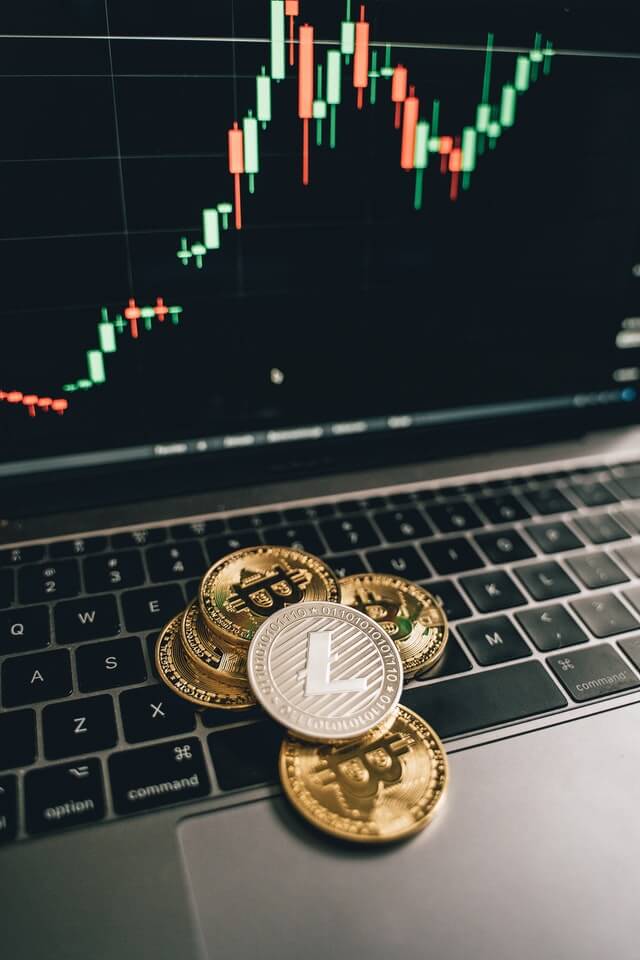










Today, Bitcoin is used more often as a savings or investment asset than as everyday spending money. It can still be used for payments, but volatility has pushed many users toward holding rather than spending.