Commodity trading means buying and selling raw materials such as gold, oil, natural gas, wheat, coffee, or copper through financial markets. In practice, most retail traders are not taking delivery of barrels of oil or truckloads of corn. They are usually trading price movements through instruments such as futures, ETFs, shares of commodity-related companies, or broker products that track the underlying market.
That is what makes commodities interesting: they sit at the intersection of macroeconomics, geopolitics, weather, supply chains, and market sentiment. When inflation rises, central banks shift policy, or a supply shock hits energy markets, commodities often react fast.
If you are new to the space, the key thing to understand is simple: commodities can offer opportunity, but they can also move sharply and punish poor risk management just as quickly.
Disclaimer: all the information shared by AltSignals and its writers should not be considered investment advice. The information shared in this post and all the other articles should be considered for educational purposes only. We are not financial advisors and we are not responsible for any investment decision you make following this post.
What are commodities?
Commodities are basic goods used throughout the global economy. Unlike branded products, commodities are generally interchangeable within the same grade or quality standard. A barrel of crude oil, an ounce of gold, or a bushel of wheat can be traded in standardised markets because buyers and sellers agree on those specifications.
They are usually grouped into a few broad categories:
- Energy: crude oil, natural gas, gasoline
- Metals: gold, silver, copper, platinum
- Agricultural products: wheat, corn, soybeans, coffee, sugar
- Livestock: cattle and hogs
Some traders use commodities for speculation. Others use them for diversification or hedging. For example, an airline may hedge fuel costs, while an investor may look at gold during periods of economic uncertainty.
How does commodities trading work?
At its core, commodities trading is about trying to profit from price changes or manage exposure to those price changes. The market itself can be accessed in several ways, and the route you choose matters.
- Futures contracts: standardised agreements to buy or sell a commodity at a future date. These are widely used in commodity markets but can be complex and highly leveraged.
- Spot markets: buying or selling at the current market price for immediate settlement.
- ETFs and ETCs: exchange-traded products that track commodity prices or baskets of commodities.
- Commodity-related stocks: shares in mining, energy, or agricultural companies that may move with the underlying commodity.
- Broker derivatives: some brokers offer products that let traders speculate on commodity price moves without owning the physical asset.
For beginners, this distinction matters. Trading gold through an ETF is not the same as trading gold futures. Trading oil through a broker product is not the same as buying physical exposure. The instrument affects costs, leverage, risk, and how closely your trade follows the underlying market.
Why do commodity prices move?
Commodity prices are driven by supply and demand, but that is only the starting point. In real markets, several forces can move prices at once:
- Economic growth: stronger industrial activity can lift demand for oil, copper, and other raw materials
- Inflation expectations: some investors turn to commodities when inflation is rising
- Interest rates and the US dollar: many commodities are priced in dollars, so currency moves can matter
- Weather: droughts, floods, and seasonal conditions can affect agricultural supply
- Geopolitics: wars, sanctions, and trade disruptions can hit energy and metals markets hard
- Inventory levels: stockpiles and storage data can influence short-term pricing
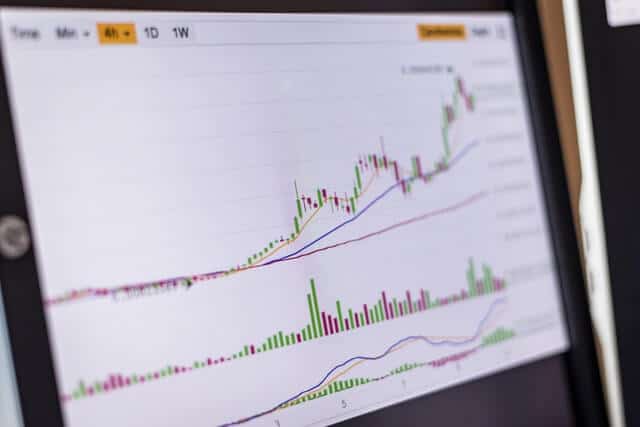
This is why commodity trading often rewards traders who combine chart analysis with a basic understanding of macro and fundamental drivers. Pure technical analysis can help with entries and exits, but ignoring the bigger picture is risky.
How do you start trading commodities?
If you want to start trading commodities, keep it simple.
- Choose your market. Start with one or two commodities you can actually follow, such as gold or crude oil.
- Pick the right instrument. Decide whether you want exposure through futures, ETFs, commodity-related stocks, or a broker’s derivative product.
- Use a regulated broker or platform. Check whether the provider is authorised in your region and whether the product is suitable for your experience level.
- Understand fees and leverage. Spreads, overnight charges, contract rollover, and leverage can all affect results.
- Build a risk plan. Decide your position size, stop-loss level, and maximum loss before entering a trade.
- Practice first. A demo account can help you understand how the market behaves before real money is involved.
If you are still learning how markets move, it also helps to build your foundation in swing trading and broader market structure before jumping into fast-moving commodity setups.
Can you make money trading commodities?
Yes, but there is no shortcut hiding in the fine print.
Commodity markets can trend strongly and offer clean opportunities, especially when a clear macro theme is in play. Gold may react to risk sentiment and rate expectations. Oil may move on supply disruptions or demand forecasts. Agricultural markets can shift on weather and harvest expectations.
That said, the same volatility that creates opportunity also creates risk. A trader can be right on direction and still lose money because of leverage, poor timing, or weak risk control.
If your goal is to trade commodities consistently, focus on a defined setup, clear entry and exit rules, position sizing, stop-loss discipline, and patience when conditions are messy.
In other words, commodities are tradable, not magical.


Common strategies for trading commodities
The best strategy depends on your timeframe, the instrument you use, and how closely you follow the market.
Day trading focuses on intraday price moves. This can work in liquid markets, but it requires speed, discipline, and a solid understanding of volatility. If you want to explore shorter-term execution, our guide on day trading covers the mindset and structure involved, even though the examples there focus on crypto.
Swing trading is often a better fit for newer commodity traders. Positions are held for several days or weeks, giving trends more time to develop and reducing the need to react to every small move.
Position trading takes an even wider view. Traders hold for weeks or months based on macro themes such as inflation, central bank policy, industrial demand, or supply constraints.
Whichever style you choose, the logic is the same: match the strategy to the market. Gold and natural gas do not behave the same way, and neither should your approach.
Examples of commodities traders watch
Some commodities attract more retail attention than others because they are liquid, widely covered, and tied to major economic themes.
Gold is often watched as a defensive asset. Traders tend to follow real yields, central bank expectations, and risk sentiment.
Oil is one of the most actively traded commodities in the world. It reacts to global growth expectations, OPEC+ decisions, inventories, and geopolitical disruptions.
Natural gas can be extremely volatile and is heavily influenced by weather, storage levels, and regional supply dynamics.
Copper is often treated as a barometer for industrial demand because it is used across construction, manufacturing, and infrastructure.
Wheat, corn, and soybeans are shaped by planting conditions, harvest expectations, export demand, and weather patterns.
For beginners, gold is often easier to follow than agricultural contracts or natural gas because the news flow is broader and the market structure is more familiar.
Risks to understand before trading commodities
Commodity trading is not just about picking the right direction. You also need to understand the specific risks of the market and instrument you are using.
- Volatility risk: prices can move sharply on headlines, data releases, or supply shocks
- Leverage risk: leveraged products can magnify losses as well as gains
- Liquidity risk: some contracts or products may be harder to enter or exit efficiently
- Rollover risk: futures-based products can behave differently as contracts expire and roll forward
- Event risk: central bank decisions, inventory reports, and geopolitical events can trigger sudden moves
If you are trading through derivatives, it is worth reading the product documentation carefully. Regulators such as the CFTC and the FCA both stress that leveraged trading products carry a high level of risk.
Final thoughts
Commodity trading is the buying and selling of raw materials through financial markets, usually to speculate on price moves or manage risk. It can be a useful part of a broader trading approach, especially if you understand what actually drives each market.
Start with one commodity, one instrument, and one strategy. Learn how that market reacts to news, macro data, and technical levels. That alone will put you ahead of traders who jump into oil, gold, gas, wheat, and copper all at once and then wonder why their screen suddenly looks like chaos.
If you want to sharpen your chart-reading before trading commodities, our AltSignals indicator tools are a practical next step for spotting trend structure, momentum, and cleaner entries.