


FOMO in crypto is what happens when price starts running, social feeds turn euphoric, and suddenly sitting on the sidelines feels unbearable. It is less about logic and more about urgency: everyone else seems to be making money, so you feel you need to act now.
That is exactly why FOMO can be expensive. It often pushes traders to buy late, size too aggressively, ignore risk, or chase coins they have not properly researched.
In crypto, where volatility is high and sentiment spreads fast, FOMO shows up all the time. Understanding it is one of the simplest ways to make better decisions when markets get noisy.
Disclaimer: The information shared by AltSignals and its writers should not be considered financial advice. This article is for educational purposes only. We are not responsible for any investment decision you make after reading this post. Never invest more than you can afford to lose, and consider speaking with a qualified financial professional.
What is FOMO in crypto?
FOMO stands for fear of missing out. In crypto trading, it describes the emotional pressure to enter a trade because you believe a big move is already happening and you will regret not being part of it.
Usually, the setup looks familiar:
- A coin starts rising quickly
- Social media fills with screenshots, predictions, and victory laps
- News coverage increases
- You start thinking, “If I do not buy now, I will miss the whole move”
That feeling can be strong enough to override a trading plan. Instead of waiting for a pullback, checking risk, or deciding whether the trade still makes sense, a trader jumps in because the emotional cost of missing the move feels worse than the financial risk of entering badly.
FOMO is not unique to crypto, but crypto makes it louder. Markets trade around the clock, price swings can be sharp, and online communities amplify excitement very quickly.
Why FOMO is so common in crypto markets
Crypto is almost built to trigger emotional decision-making. A few reasons stand out:
- High volatility: Large price moves can happen in hours, not weeks.
- 24/7 trading: There is no market close to force a pause.
- Social proof: Traders constantly post gains, targets, and “next 10x” ideas.
- Narrative-driven moves: Hype around memes, listings, upgrades, or macro news can spread fast.
- Regret bias: Missing one big move can make traders chase the next one even harder.
Research on investor behaviour has repeatedly shown that emotions and herd behaviour can influence market decisions. In practice, crypto traders see this play out whenever momentum and crowd psychology start feeding each other.
What FOMO looks like in real trading
FOMO rarely announces itself politely. It usually shows up as rushed behaviour.
Common signs include:
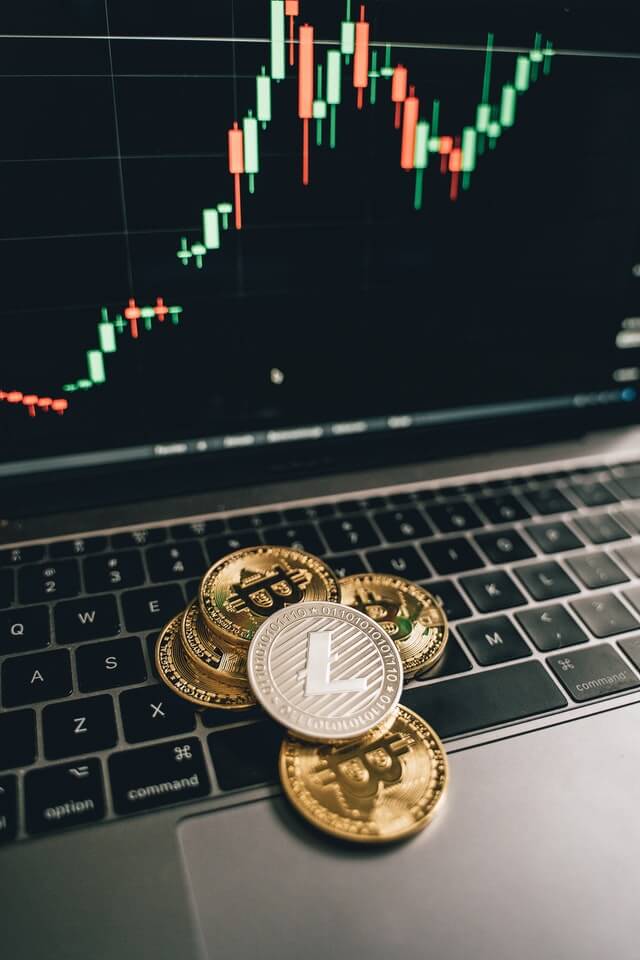
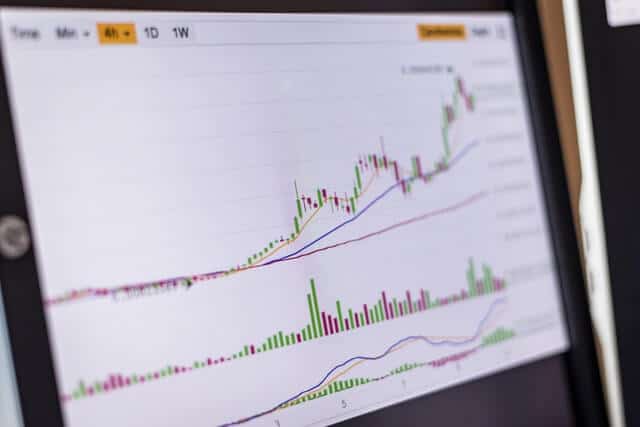
- Buying after several large green candles
- Entering a trade without a clear stop-loss or invalidation level
- Increasing position size because the move “looks obvious”
- Using leverage to make up for entering late
- Buying a coin you barely understand because everyone is talking about it
- Ignoring your original plan because the market feels too exciting to miss
A simple example: Bitcoin or an altcoin breaks out, rallies hard, and keeps trending on X, Telegram, Reddit, and YouTube. You were waiting for a better entry, but now the move feels unstoppable. Instead of accepting that you missed the clean setup, you buy into strength with a larger position than usual. If momentum fades, you are left holding a poor entry with elevated risk.
That is the core problem with FOMO: it often gets traders involved at the point where risk is rising and reward is shrinking.
Why FOMO can damage your results
FOMO is not just an uncomfortable feeling. It can directly hurt performance.
- Bad entries: Chasing price often means buying after much of the move has already happened.
- Poor risk management: Emotional trades are less likely to have sensible position sizing.
- Overtrading: Traders who fear missing out often jump from one setup to another.
- Leverage mistakes: Trying to “catch up” with borrowed exposure can magnify losses quickly.
- Decision fatigue: Constantly reacting to hype makes it harder to stay disciplined.
In extreme cases, FOMO leads traders to borrow money, average into weak positions, or hold losing trades simply because they cannot accept that the late entry was a mistake. That is where a manageable emotional bias turns into a serious risk problem.
How to avoid FOMO in crypto
You will not remove emotion completely. The goal is to stop emotion from running the trade.
Here are practical ways to reduce crypto FOMO:
1. Trade with a plan before the move starts
Decide in advance what you want to buy, where you would enter, where you would exit, and how much you are willing to risk. If price runs away without giving your setup, let it go. Missing a trade is frustrating, but forcing one is usually worse.
2. Use position sizing rules
Keep risk consistent from trade to trade. When traders FOMO, they often increase size because they feel unusually certain. That is usually the moment to be more careful, not less.


3. Avoid revenge entries
If you missed the first move, do not treat the next candle as your last chance. Markets produce new setups all the time. Chasing because you feel left behind is how one missed trade turns into several bad ones.
4. Be careful with leverage
Leverage and FOMO are a rough combination. A late entry with high leverage leaves very little room for normal volatility. If you use leverage at all, it should be part of a defined risk plan, not an emotional reaction.
5. Reduce noise when sentiment gets extreme
If your feed is making you impulsive, step away from it. Social media is useful for information, but terrible for emotional balance when markets get euphoric.
6. Accept that you will miss some moves
This is the part most traders resist. You are not supposed to catch every rally. Good trading is about taking high-quality setups consistently, not participating in every coin that trends for a day.
7. Use tools, alerts, and structure
Alerts, watchlists, and technical levels can help you act with more discipline. If you want a more structured approach to entries and market timing, our AltAlgo indicator can help you filter setups instead of chasing random momentum.
FOMO vs FUD: what is the difference?
FOMO and FUD are often mentioned together because they sit on opposite sides of market psychology.
FOMO is the fear of missing a profitable move, which can push traders to buy too late or take too much risk.
FUD stands for fear, uncertainty, and doubt. It describes negative sentiment that can pressure traders into panic, hesitation, or emotional selling.
In simple terms:
- FOMO says: “I need to get in now.”
- FUD says: “I need to get out before it gets worse.”
Both can lead to poor decisions when they replace analysis. One makes traders chase strength. The other makes them dump positions without a clear plan.
If you want a broader foundation for handling these kinds of market moves, start with our crypto trading guide. It covers the basics that help traders stay grounded when sentiment gets extreme.
A better mindset for volatile markets
The best defence against FOMO is not predicting every move. It is building a process you trust.
That means knowing your setup, knowing your risk, accepting missed trades, and focusing on consistency rather than excitement.
Crypto rewards patience more often than social media suggests. The traders who last are usually not the ones chasing every breakout. They are the ones who can stay calm while everyone else is losing perspective.
If you want extra structure around trade ideas, you can also explore AltSignals trading signals for a more disciplined way to follow the market.
FAQ
Is FOMO always bad in crypto?
How do I know if I am entering a trade because of FOMO?
If you are rushing, ignoring your plan, increasing size without a reason, or buying mainly because other people are posting gains, FOMO is probably involved.
Can beginners avoid FOMO completely?
Probably not completely. Most traders experience it at some point. What beginners can do is reduce the damage by using a plan, smaller position sizes, and clear entry rules.
What is the difference between momentum trading and FOMO?
Momentum trading is a strategy with rules for trend strength, entries, exits, and risk. FOMO is an emotional reaction. They can look similar from the outside, but one is structured and the other is impulsive.









The feeling itself is normal. The problem starts when it pushes you into trades you would not take under calmer conditions. Recognising FOMO early is useful because it gives you a chance to slow down and reassess.