

What Is Nuo Network? A Beginner’s Guide
Nuo Network was one of the earlier DeFi lending projects built on Ethereum. At its core, it aimed to connect lenders and borrowers through smart contracts rather than a traditional intermediary.
If you came across Nuo while researching older DeFi platforms, the useful question is not just “what is Nuo Network?” but also “how did it work, and what can traders learn from it today?” Parts of the original DeFi lending model still show up across newer protocols.
In simple terms, Nuo let users:
- lend crypto assets to earn interest,
- borrow against collateral, and
- access margin trading with leverage.
Like many early DeFi applications, Nuo was designed to be non-custodial, meaning users interacted with smart contracts instead of handing full control of funds to a central platform. That said, “non-custodial” does not mean “risk-free.” Smart contract risk, liquidation risk, and market volatility still apply.
If you want broader context on how these markets fit together, start with our crypto trading guide.
What was Nuo Network?
Nuo Network described itself as a decentralized debt marketplace. It was built on Ethereum and focused on matching lenders and borrowers using smart contracts.
The basic idea was straightforward:
- Lenders supplied supported crypto assets to earn yield.
- Borrowers posted collateral and borrowed another asset.
- Traders could also use borrowed funds for leveraged positions through the platform’s margin trading features.
This model was part of the first wave of DeFi lending, alongside other early Ethereum-based money markets.
Today, Nuo is better understood as an example of early DeFi infrastructure rather than a major active protocol at the centre of the market. That makes this guide most useful as a beginner-friendly explainer and a bit of DeFi history.
How did Nuo Network work?
Nuo’s ecosystem revolved around two main user groups: lenders and borrowers. Users typically connected through a Web3 wallet and funded a smart contract-linked account with supported assets.
From there, the platform offered three main activities:
- Lending
- Borrowing
- Margin trading
Lending on Nuo
To lend on Nuo, a user deposited ETH or supported ERC-20 tokens into the platform. Those funds were then placed into lending pools, sometimes referred to in older Nuo materials as debt reserves.
These reserves were used to fund borrower demand. In return, lenders earned interest based on the borrowing activity in that pool.
The key points for beginners were:
- returns depended on borrower demand and available liquidity,
- funds were pooled rather than matched one-to-one in a simple manual process, and
- yield was never guaranteed.
That last point is worth underlining. Early DeFi platforms often advertised attractive lending opportunities, but rates could change quickly with market conditions.

Borrowing on Nuo
Borrowers selected the asset they wanted to borrow and posted collateral to secure the loan. This is standard DeFi lending logic: because there is no bank checking your salary or credit score, the protocol relies on overcollateralization instead.
In practice, that means users usually had to deposit collateral worth more than the amount they wanted to borrow.
The main borrowing risks included:
- liquidation risk if collateral value dropped too far,
- interest rate risk depending on market conditions, and
- asset volatility on both the borrowed asset and the collateral asset.
For beginners, the biggest lesson is simple: borrowing in DeFi is not just about getting access to capital. It is also about managing collateral carefully when markets move fast.

Margin trading on Nuo
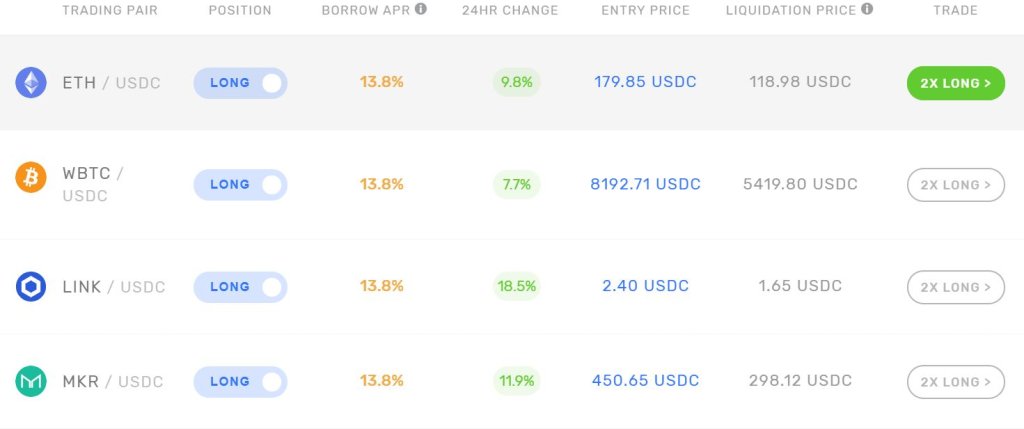
Nuo also offered margin trading, allowing users to take leveraged long or short positions. In plain English, leverage lets a trader control a larger position than their own capital would normally allow.
That can increase gains, but it also increases losses. Sometimes very quickly.
According to the original platform model, users chose an asset, posted collateral, and opened a leveraged trade through smart contract-based execution. Older Nuo materials also referenced external liquidity support.


For beginners, margin trading is the part of the Nuo model that deserves the most caution. Leveraged trading in crypto combines:
- price volatility,
- liquidation risk,
- execution risk, and
- smart contract risk.
That is a lot of moving parts for one trade.
Why Nuo Network mattered in early DeFi
Nuo was part of the early push to recreate lending and borrowing markets on-chain. Instead of relying on a bank or broker to approve and manage loans, DeFi protocols used code, collateral, and transparent transaction rules.
That shift helped introduce ideas that are now familiar across crypto:
- non-custodial lending,
- collateralized borrowing,
- on-chain leverage, and
- open access to financial tools through a wallet.
Whether a specific early protocol remained dominant is a separate question. The bigger takeaway is that projects like Nuo helped shape the DeFi lending category that followed.
For a wider look at how crypto markets, platforms, and trading tools fit together, you may also want to read our guide to AltSignals trading signals.
Risks to understand before using any DeFi lending platform
Even if you are researching Nuo mainly for educational reasons, the same core risks still apply across many DeFi protocols today.
- Smart contract risk: bugs or exploits can lead to loss of funds.
- Liquidation risk: collateral can be sold automatically if its value falls below required thresholds.
- Liquidity risk: entering or exiting positions may become harder in stressed markets.
- Oracle risk: bad price feeds can trigger incorrect liquidations or distort borrowing conditions.
- Regulatory risk: DeFi rules continue to evolve across jurisdictions.
The U.S. Securities and Exchange Commission has repeatedly highlighted that crypto asset markets can involve elevated risk, especially where investor protections differ from traditional finance. You can review general investor guidance directly from the SEC’s crypto asset investor resources.
For a broader regulatory perspective on crypto-asset risks and policy work, the Financial Stability Board is also a useful reference.
Is Nuo Network still relevant for beginners?
Yes, but mainly as a learning example.
If you are trying to understand how DeFi lending works, Nuo is a helpful case study because it combines the three functions many newcomers want to understand first:
- earning yield by lending,
- borrowing against collateral, and
- using leverage for trading.
If your goal is active trading rather than protocol history, it usually makes more sense to focus on current tools, risk management, and market execution. That is where practical analysis matters more than nostalgia for early DeFi interfaces.
If you want help reading market structure and timing entries more clearly, the AltAlgo indicator is a relevant next step.
Final thoughts
Nuo Network was an early Ethereum-based DeFi lending platform that let users lend, borrow, and margin trade through smart contracts. Its model reflected the first generation of decentralized finance: open access, collateral-backed borrowing, and non-custodial infrastructure.
The platform itself is most useful today as a beginner-friendly example of how early DeFi lending worked. The bigger lesson is that the mechanics have not disappeared. Modern protocols still rely on many of the same ideas, and many of the same risks.
So if you are studying Nuo, do not just ask whether the platform was interesting. Ask whether you understand the lending model, the collateral rules, and the liquidation risk. That is the part that still matters.
FAQ
Was Nuo Network a DeFi lending platform?
Did Nuo Network hold user funds?
Nuo was described as non-custodial, meaning users interacted with smart contracts rather than depositing funds into a traditional centralized account. Even so, users still faced smart contract and market risk.
What made Nuo different from a bank loan?
Instead of credit checks and centralized approval, DeFi borrowing on Nuo relied on crypto collateral and smart contract rules. In most cases, borrowers needed to overcollateralize their loans.
Is margin trading on DeFi platforms risky?
Yes. Margin trading adds leverage, which can magnify both gains and losses. On DeFi platforms, that risk can be compounded by liquidation mechanics, volatility, and smart contract exposure.

















Yes. Nuo Network was an Ethereum-based DeFi platform focused on lending, borrowing, and margin trading through smart contracts.