


Shiba Inu (SHIB) is an Ethereum-based cryptocurrency that started as a meme coin but grew into a broader ecosystem with its own community, tokens, and DeFi tools. If you have seen SHIB described as the “Dogecoin killer,” that is part of its branding, but the more useful way to understand it is this: SHIB is a highly speculative crypto asset whose value has been driven largely by community attention, exchange listings, and wider market sentiment.
That makes it popular, but also risky. SHIB has had periods of explosive price action, followed by equally sharp pullbacks. So if you are researching it, the key question is not just what SHIB is, but how it works, what gives it attention, and where the risks sit.
Disclaimer: The information shared by AltSignals and its writers should not be considered financial advice. This is for educational purposes only. We are not responsible for any investment decision you make after reading this post. Never invest more than you are able to lose, and consider speaking with a qualified financial advisor.
What is Shiba Inu (SHIB)?
Shiba Inu is a crypto token launched in 2020 by an anonymous creator or group using the name Ryoshi. It was built on Ethereum as an ERC-20 token rather than as its own standalone blockchain.
That matters because Ethereum-based tokens can plug into the wider Ethereum ecosystem. In practice, that means SHIB can be stored in compatible wallets, traded on centralized and decentralized exchanges, and used alongside other Ethereum-based applications.
SHIB became widely known because of its meme branding, its comparison with Dogecoin, and the speed of its early rise. Unlike Bitcoin, which is often discussed in terms of scarcity, SHIB launched with an extremely large supply. That large token count helped create the “cheap per coin” perception that often attracts newer traders, even though price per token on its own says very little about value.
How SHIB differs from Dogecoin
SHIB and Dogecoin are often mentioned together because both use the Shiba Inu dog as part of their identity and both gained traction through internet culture. But they are not the same type of asset.
- Dogecoin has its own blockchain.
- SHIB is an Ethereum-based token.
- Dogecoin is mainly known as a payment-focused meme cryptocurrency.
- SHIB expanded into a wider ecosystem that has included decentralized finance tools, additional tokens, and NFT-related activity.
So while the meme comparison is fair at a surface level, SHIB is more closely tied to Ethereum infrastructure than Dogecoin is.
The Shiba Inu ecosystem
SHIB is not the only token associated with the project. Over time, the broader Shiba Inu ecosystem has included other assets and products, such as:
- SHIB as the main community token
- LEASH and BONE, which have been used in different parts of the ecosystem
- ShibaSwap, a decentralized exchange tied to the project
- NFT and metaverse-related initiatives announced during different phases of the project’s growth
For beginners, the main takeaway is simple: SHIB is no longer just a meme label attached to one token. It developed into a branded crypto ecosystem, even though market attention still tends to focus mostly on SHIB itself.
Why did SHIB become so popular?
SHIB’s rise was driven by a mix of timing, branding, and market psychology.
It launched during a period when speculative interest in crypto was rising fast. Meme coins were attracting huge attention. Social media helped smaller tokens spread quickly. And once major exchanges started listing SHIB, access became much easier for retail traders.
There were also a few narrative drivers behind the hype:
- the “Dogecoin killer” branding
- strong online community support
- the appeal of owning millions of tokens at a low nominal price
- rapid price moves that attracted momentum traders
That combination can be powerful in crypto. It can also reverse quickly when sentiment cools.
Token supply and the Vitalik Buterin story
One of the most talked-about parts of SHIB’s early history was its huge initial supply and the allocation of tokens connected to Ethereum co-founder Vitalik Buterin.
Early project materials stated that part of the supply was locked in liquidity, while another large portion was sent to Buterin’s wallet. In 2021, Buterin donated a significant amount of SHIB to charity and burned a large share of the tokens he received. That became a major moment in the token’s story and shaped how many traders viewed SHIB’s circulating supply and long-term narrative.
If you are evaluating SHIB today, it is better to focus on current tokenomics and circulating supply data from reputable market trackers and exchange listings rather than relying on older launch-era descriptions alone.
How does SHIB work?
Because SHIB is an ERC-20 token, it relies on Ethereum’s infrastructure. Transactions, wallet compatibility, and smart contract interactions all sit within that broader network environment.
In practical terms, that means:


- you need an Ethereum-compatible wallet to self-custody SHIB
- network activity can be affected by Ethereum conditions
- SHIB can be traded on both centralized exchanges and decentralized platforms
- its utility depends partly on the ecosystem built around it, not just on the token itself
That is one reason SHIB is often described as more than a meme coin, even though meme-driven speculation remains a big part of its identity.
What affects the price of Shiba Inu?
SHIB’s price is influenced by many of the same forces that move other altcoins, but sentiment plays an especially large role.
The main drivers usually include:
- overall crypto market direction — when Bitcoin and major altcoins are strong, speculative tokens often benefit
- exchange listings — easier access can increase visibility and trading activity
- community momentum — social media attention can move meme coins faster than fundamentals alone
- ecosystem updates — product launches, burns, or roadmap announcements can affect sentiment
- risk appetite — in risk-off markets, highly speculative assets often get hit hardest
This is why SHIB can be volatile even by crypto standards. It is not unusual for meme-led assets to move sharply on narrative shifts rather than purely on measurable adoption.
Is SHIB a good investment?
That depends on your risk tolerance, time horizon, and what role you expect it to play in a portfolio.
SHIB may appeal to traders who are comfortable with high volatility and who understand that meme coins can be driven more by attention than by traditional valuation logic. It may be less suitable for investors looking for predictable cash flows, established fundamentals, or lower-risk exposure.
A balanced view is the right one here:
- The bullish case: SHIB has a large community, strong brand recognition, broad exchange availability, and an ecosystem that gives it more visibility than many smaller meme tokens.
- The bearish case: it remains highly speculative, faces intense competition, and can lose momentum quickly when market sentiment changes.
If you trade SHIB, risk management matters more than storytelling. Position sizing, stop-loss planning, and realistic expectations matter a lot more than hoping for another viral run.
How traders approach SHIB
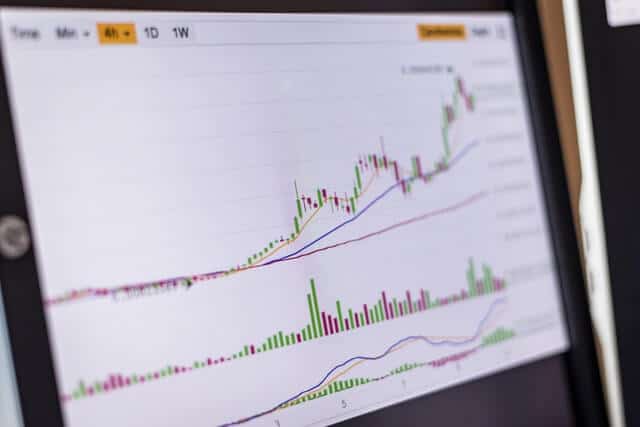
Most traders do not treat SHIB like a slow-moving blue-chip asset. They usually approach it as a high-volatility altcoin.
That often means focusing on:
- trend strength and momentum
- support and resistance levels
- volume spikes around news or listings
- broader Bitcoin and Ethereum market conditions
If you want a broader foundation before trading assets like SHIB, start with our crypto trading guide. If you are already comparing setups across the market, you can also explore the AltAlgo indicator for technical analysis support or AltSignals trading signals for market ideas.
Final thoughts
Shiba Inu is one of the best-known meme coins in crypto, but it is more accurate to call it a speculative Ethereum-based token with a strong community and a wider ecosystem around it. That combination helped it stand out from countless short-lived meme projects.
Still, popularity does not remove risk. SHIB can attract attention quickly, but it can also swing hard when sentiment turns. If you are researching it, focus on how the token works, what drives demand, and whether that level of volatility fits your strategy.
FAQ
Is Shiba Inu the same as Dogecoin?
Does SHIB have any utility?
SHIB has been part of a broader ecosystem that includes other tokens and decentralized finance tools. That said, a large part of its market attention still comes from community interest and speculation rather than utility alone.
Why is SHIB considered risky?
SHIB is considered risky because it is highly volatile, sentiment-driven, and more speculative than many larger crypto assets. Prices can move sharply on hype, listings, or broader market swings.
Can you trade SHIB instead of investing in it long term?
Yes. Many market participants treat SHIB as a trading asset rather than a long-term investment. In that case, technical analysis, volatility awareness, and strict risk management become especially important.














No. They share meme branding and both use the Shiba Inu dog theme, but Dogecoin runs on its own blockchain while SHIB is an ERC-20 token built on Ethereum.