


There is no single best crypto to trade for everyone. The better question is: which crypto is best for your trading style, timeframe, and risk tolerance?
Some traders want deep liquidity and tighter spreads. Others want volatility, news-driven moves, or cleaner technical setups. The right choice depends less on hype and more on how the market behaves when you actually place a trade.
If you are still building your process, start with our crypto trading guide for the bigger picture.
Disclaimer: this article is for educational purposes only and should not be considered investment advice. Crypto markets are volatile, losses can happen quickly, and you should never risk more than you can afford to lose. If needed, speak to a qualified financial professional.
What makes a crypto good for trading?
A tradable coin is not automatically a good trading coin. For active traders, a few practical factors matter more than market buzz:
- Liquidity: Higher liquidity usually means easier entries and exits, smaller spreads, and less slippage.
- Volatility: You need movement to trade, but too much volatility can turn a setup into chaos.
- Market structure: Some coins respect support, resistance, and trend levels better than others.
- News flow: Listings, token unlocks, regulatory headlines, and ecosystem updates can move price fast.
- Exchange availability: The more widely traded an asset is, the easier it is to compare pricing and execution.
In simple terms, the best crypto to trade is usually one that gives you enough movement to find opportunities without making execution unnecessarily messy.
Best types of crypto to trade
Rather than chasing one “best” coin, it is more useful to think in categories.
1. Large-cap coins
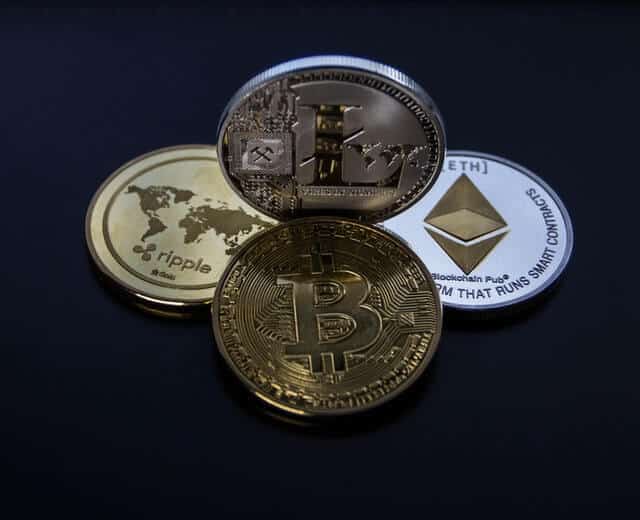
Large-cap assets such as Bitcoin and Ethereum are often the first stop for beginners. They tend to have the deepest liquidity, the most exchange support, and the most chart data.
They are not always the most explosive movers, but they are often easier to manage from a risk perspective than smaller tokens.
2. High-volume altcoins
Well-known altcoins with strong daily trading volume can offer a good middle ground: more movement than the biggest coins, but usually better liquidity than obscure micro-caps.
This group often attracts traders looking for momentum, breakout setups, or reaction trades around project news.
3. Trending coins
Trending coins can produce sharp moves when attention floods in. That can create opportunity, but it also increases the chance of fakeouts, wider spreads, and emotional trading.
If you trade trending names, risk control matters more than ever. Fast markets are exciting right up until they are not.
4. Perpetual futures favourites
Some traders focus on coins that are heavily traded in perpetual futures markets because they offer strong liquidity, active participation, and clearer short-term momentum.
That said, leverage increases risk. If you are trading derivatives, position sizing and stop placement are not optional extras.
So, which crypto is usually best to trade?
For many traders, the most practical answer is still Bitcoin or Ethereum, especially if you value liquidity and cleaner execution.
They are widely followed, heavily traded, and often respond well to technical analysis because so many market participants are watching the same levels.
But “best” changes with the setup:
- For beginners: Bitcoin and Ethereum are often easier to start with.
- For momentum traders: high-volume altcoins may offer stronger short-term moves.
- For news traders: coins with active ecosystems and regular catalysts can be more interesting.
- For very short-term traders: the best choice is often the coin with the best combination of volume, volatility, and tight execution at that moment.
That is why experienced traders usually build a watchlist instead of marrying one coin.
How to choose the best crypto for your strategy
If you want a repeatable process, use a simple filter before you trade any coin.
Check liquidity first
Look for assets with healthy trading activity. High-volume markets are generally easier to trade because orders fill more efficiently and price action is less distorted by thin order books.
Market activity trackers can help you compare the most active cryptocurrencies and spot where volume is concentrated.


Look for clean price action
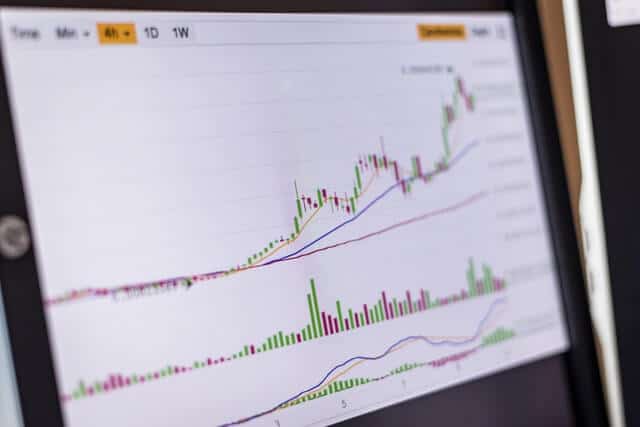
Some charts are noisy. Others respect levels more consistently. If a coin repeatedly whips through support and resistance without follow-through, it may not suit your strategy.
Clean structure matters, especially if you rely on breakouts, pullbacks, or trend continuation setups.
Match the coin to your timeframe
A coin that works for swing trading may be terrible for scalping. A token with occasional explosive moves might suit event-driven traders but frustrate anyone looking for steady intraday setups.
Always ask: does this market behave well on the timeframe I actually trade?
Watch the news calendar
Crypto prices can react sharply to exchange listings, protocol upgrades, macro headlines, regulatory developments, and token-related events. Regulators can also influence sentiment across the market.
If you trade around news, know what is scheduled and what is just noise.
Review spread and slippage
A coin can look attractive on the chart and still be expensive to trade. Wide spreads and poor execution can quietly damage performance, especially for short-term traders.
This is one reason many traders prefer the most active pairs rather than lower-volume names.
What to avoid when picking a crypto to trade
- Low-liquidity coins: They can move hard, but getting in and out at the price you want is another story.
- Pure hype trades: If your only reason for entering is social media excitement, you are probably late.
- Coins you do not understand: You do not need to know every line of code, but you should know what tends to move the asset.
- Overtrading volatile markets: More movement does not always mean better opportunity.
- Ignoring risk: Even the “best” crypto to trade can produce a bad trade if your sizing is poor.
A simple shortlist for most traders
If you want a practical starting point, focus on coins that usually combine strong liquidity, broad exchange support, and consistent trader attention.
That often means:
- Bitcoin for liquidity and market leadership
- Ethereum for liquidity and active market participation
- A small number of high-volume altcoins for momentum opportunities
That is usually a better approach than scanning hundreds of random tokens and hoping one turns into the perfect setup.
Use signals and tools to narrow the field
Finding the best crypto to trade is easier when you have a process for filtering setups instead of reacting to every move on the screen.
If you want help spotting trade opportunities, you can review AltSignals trading signals for crypto-focused setups. If your approach leans more on chart-based confirmation, the AltAlgo indicator may also help you assess momentum and trend conditions.
Tools do not remove risk, but they can make your decision-making more structured.
Final take
The best crypto to trade is usually the one that fits your method, not the one making the most noise online.
For most traders, liquid majors like Bitcoin and Ethereum are the safest place to start. From there, a small watchlist of high-volume altcoins can offer extra opportunity when market conditions line up.
Keep it simple: focus on liquidity, volatility, structure, and risk. That will take you further than chasing the latest coin everyone suddenly claims they believed in from day one.
FAQ
Is Bitcoin the best crypto to trade for beginners?
Are altcoins better for trading than Bitcoin?
Sometimes. Altcoins can offer bigger percentage moves, which appeals to momentum traders. The trade-off is higher risk, lower liquidity in some cases, and more unstable price action.
What matters more: volatility or liquidity?
You need both, but liquidity is often the better starting filter. A volatile coin with poor liquidity can be difficult and expensive to trade. A liquid coin with enough movement is usually more practical.
How many cryptocurrencies should I track?
Most traders do better with a focused watchlist than a huge one. A handful of liquid majors plus a few active altcoins is usually enough to find opportunities without spreading your attention too thin.










Often, yes. Bitcoin usually offers deep liquidity, broad exchange support, and clearer market structure than smaller coins. That does not make it easy, but it can make execution more manageable for new traders.