

Picking the best trading platform in the UK is less about finding one “winner” and more about matching the platform to the way you trade.
If you mainly buy shares and funds for the long term, your ideal platform will look very different from someone trading forex, CFDs or crypto. Fees, market access, research tools, mobile usability, regulation and account types all matter — and no single broker is strongest in every category.
This guide gives you a practical shortlist of well-known UK trading platforms and explains who each one suits best. If you want the short version: the best platform is the one that fits your market, your budget and your experience level.
What is a trading platform?
A trading platform is the software or online service you use to buy and sell financial instruments such as shares, ETFs, funds, forex pairs, CFDs and, in some cases, cryptocurrencies.
Most platforms now offer more than simple order execution. Depending on the provider, you may also get:
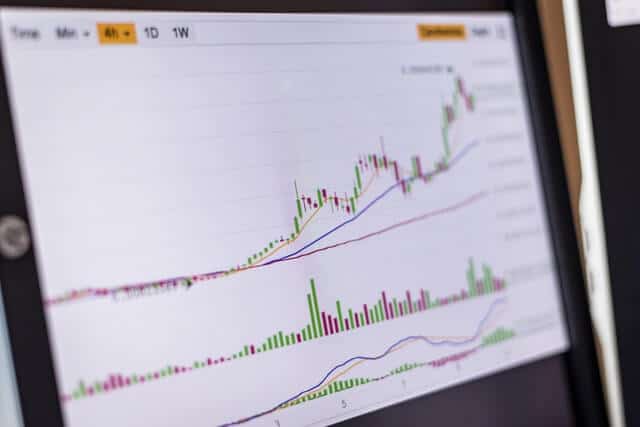
- live or delayed price charts
- watchlists and alerts
- research and market commentary
- mobile trading apps
- tax wrappers such as ISAs or SIPPs
- educational tools for newer traders
In the UK, it also makes sense to check whether a firm is authorised by the Financial Conduct Authority (FCA). Regulation does not remove market risk, but it is a basic trust filter you should not skip.
How to choose the best trading platform in the UK
Before comparing brand names, decide what you actually need. That sounds obvious, but it saves a lot of expensive trial and error.
- Asset class: Do you want shares and funds, forex, CFDs, or crypto?
- Costs: Look beyond headline commissions. Platform fees, FX fees, spreads and inactivity charges can matter just as much.
- Ease of use: A clean app is great, but not if it hides the information you need.
- Research and tools: Some platforms are built for investors, others for active traders.
- Account types: If you want an ISA or SIPP, not every platform will be suitable.
- Risk profile: CFD and leveraged trading platforms are not the same thing as long-term investing platforms.
If your focus is charting and trade execution rather than platform comparison alone, it also helps to understand the tools behind your decisions. Our technical analysis guide is a good place to start.
Best trading platforms in the UK: practical shortlist
The platforms below are all well known, but they serve slightly different users. Rather than forcing a single ranking, it is more useful to look at where each one stands out.
Hargreaves Lansdown
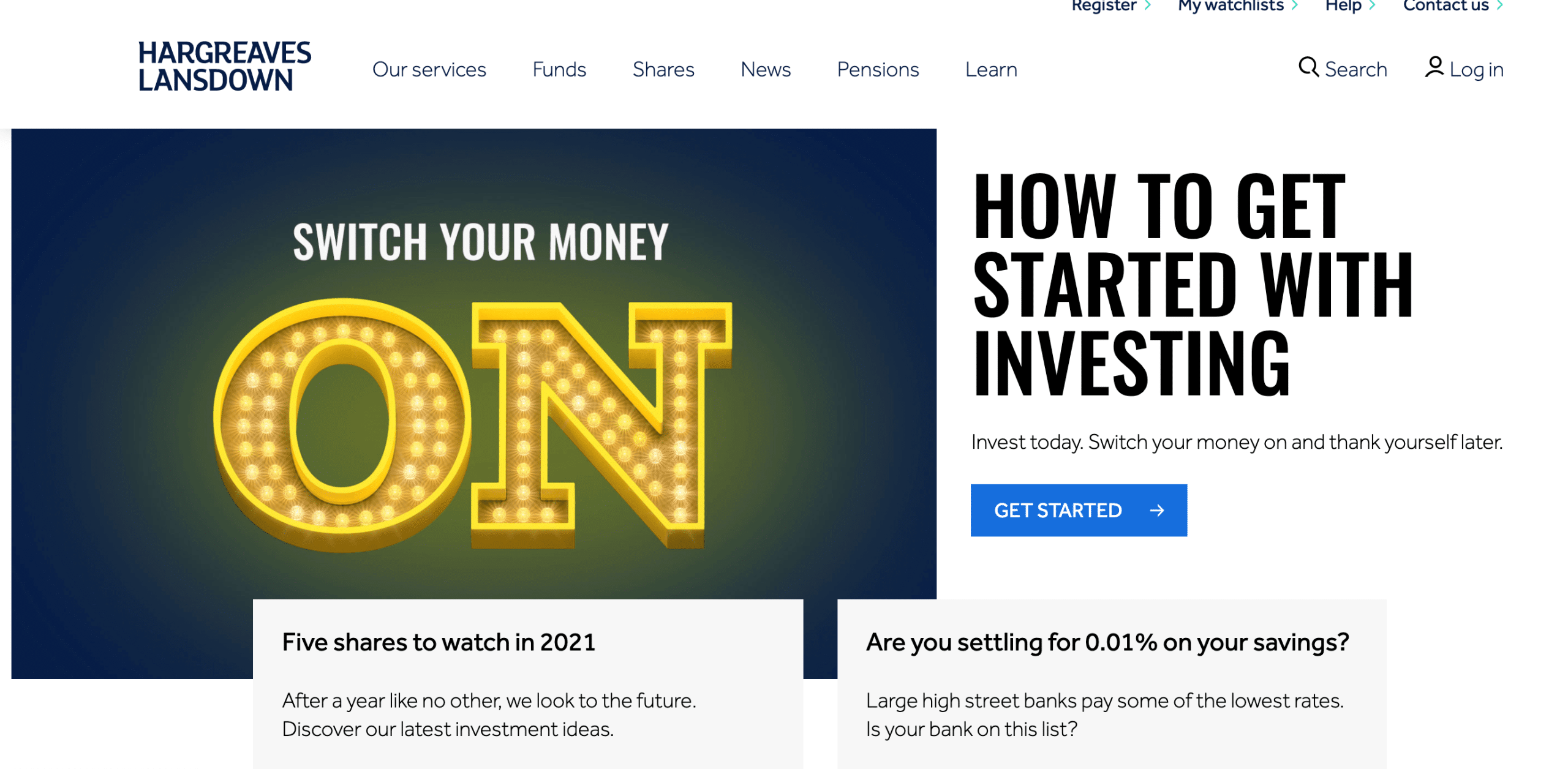
Hargreaves Lansdown is one of the best-known investment platforms in the UK, especially for investors who want access to shares, funds, ISAs and pensions in one place.
Its main strength is breadth. You get a large investment range, strong brand trust and plenty of research content. For beginners and long-term investors, that can make the platform feel more reassuring than stripped-back app-only alternatives.
Where it may not suit everyone is cost. Investors with smaller portfolios or frequent dealing habits may find cheaper options elsewhere, particularly if low-cost execution is the main priority.
Best for: long-term investors who want a broad investment platform with research and account flexibility.
Less ideal for: traders who care most about ultra-low dealing costs or advanced short-term trading tools.
DEGIRO
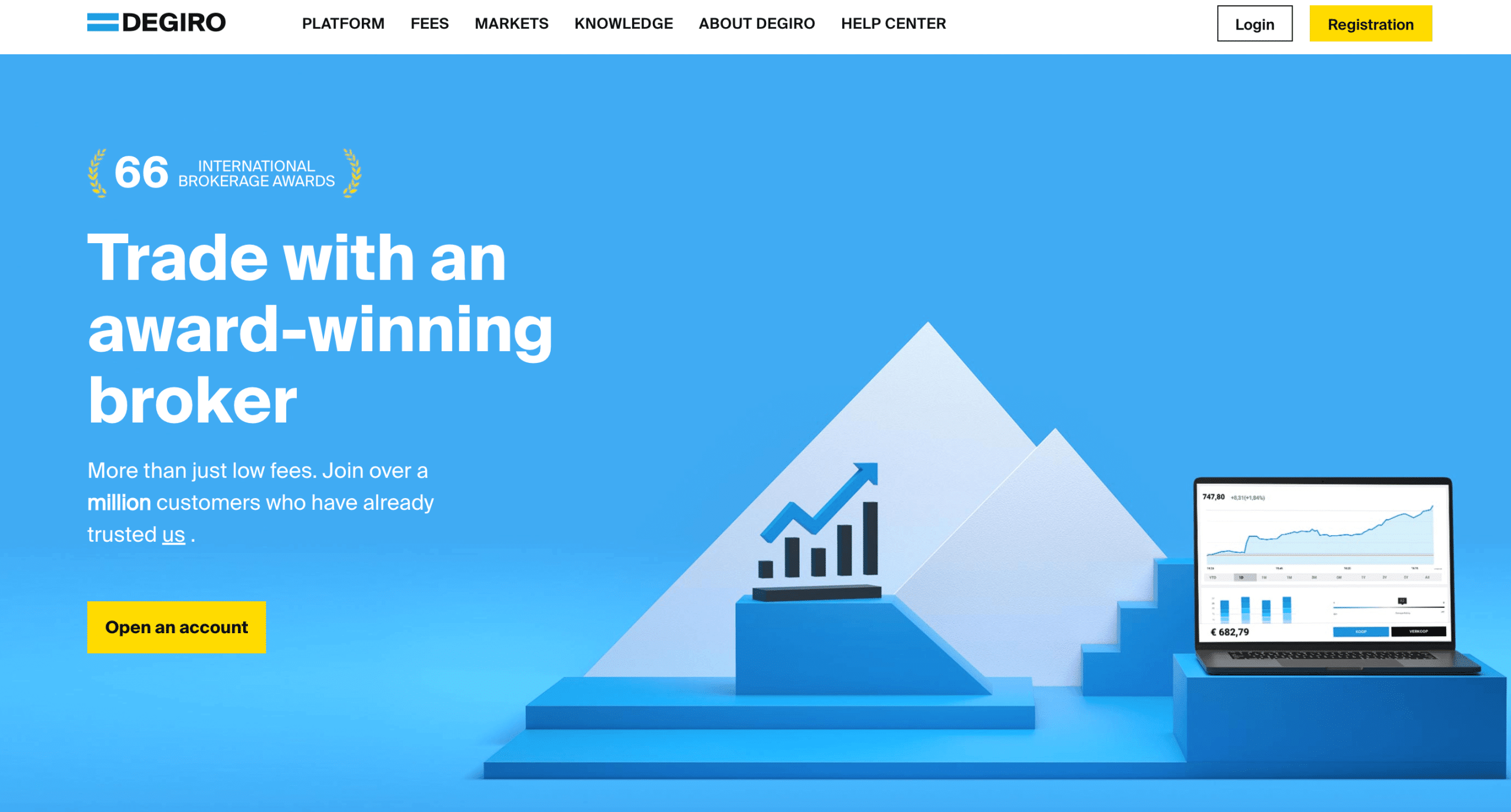
DEGIRO is often mentioned by traders and investors looking for relatively low-cost access to shares and ETFs across multiple markets.
Its appeal is straightforward: competitive pricing, a simple account setup process and access to international markets without the heavy feel of some traditional investment platforms.
The trade-off is that it may feel more functional than premium. If you want deep in-house research, extensive educational content or a more full-service investing experience, other platforms may suit you better.
Best for: cost-conscious investors who want broad market access and a simpler interface.
Less ideal for: users who want a research-heavy platform or a more guided investing experience.
Saxo Markets
Saxo Markets is usually a stronger fit for traders who want a more advanced platform, wider market coverage and professional-style tools.
It is commonly used by people who value charting, multi-asset access and a more sophisticated trading environment. That makes it more appealing to active traders than many basic investing apps.
Saxo also offers access to leveraged products such as CFDs. That flexibility can be useful, but it comes with higher risk. CFDs are complex instruments and are not suitable for every trader.


Best for: active traders who want stronger tools, broader market access and a more advanced interface.
Less ideal for: complete beginners who just want a simple buy-and-hold investing app.
If you trade forex specifically, you may also want to read our forex trading guide for a clearer view of how platform choice affects spreads, execution and risk.

Interactive Investor
Interactive Investor sits somewhere between a traditional investment platform and a research-led service. It is often attractive to investors who want more than just a place to click buy and sell.
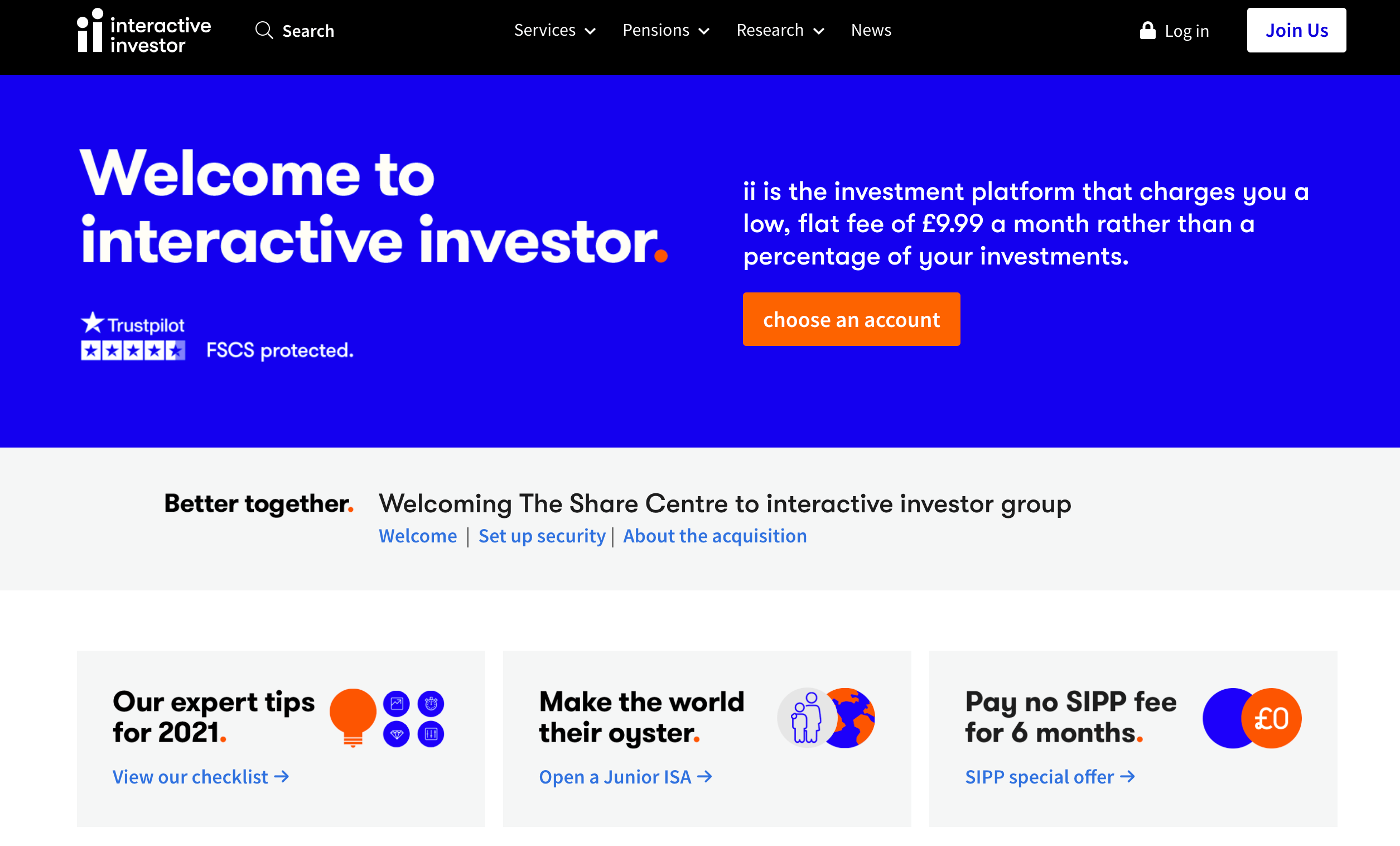
One of its better-known features is its flat-fee model, which can work well for larger portfolios or investors who prefer predictable costs. It also puts more emphasis on research, commentary and investment ideas than many low-cost app competitors.
That said, flat-fee pricing is not automatically cheaper for everyone. Smaller investors should compare total costs carefully before assuming it is the best value option.
Best for: investors who value research and may benefit from a flat-fee structure.
Less ideal for: very small portfolios where percentage-based or commission-light alternatives may work out cheaper.
Which trading platform is best for you?
Here is the practical version:
- Best for long-term investing: Hargreaves Lansdown or Interactive Investor
- Best for lower-cost share dealing: DEGIRO
- Best for active multi-asset trading: Saxo Markets
That is not a universal ranking. It is a fit-based shortlist.
If you are comparing platforms for active trading, do not stop at fees. Execution quality, charting, order types, mobile stability and risk controls matter just as much. Cheap trading can become expensive very quickly if the platform does not suit your style.
A quick word on crypto and leveraged trading platforms
This article focuses mainly on mainstream UK trading platforms for investing and multi-asset trading. Crypto platforms and leveraged CFD brokers are a separate category and should be judged with extra care.
If you trade crypto, platform selection should include security practices, liquidity, supported pairs, withdrawal rules and jurisdictional restrictions. If you use leverage, risk management matters even more than platform design.
For traders who want help with market timing rather than just broker selection, our trading signals page explains how signal services can fit into a broader trading workflow.
Final thoughts
The best trading platform in the UK depends on what you trade and how you trade it.
Hargreaves Lansdown and Interactive Investor make sense for many long-term investors. DEGIRO appeals to users who want lower-cost access to markets. Saxo Markets is a stronger option for active traders who need more advanced tools.
Before opening an account, compare the full fee schedule, available markets, platform features and FCA status. A polished app is nice. A platform that actually matches your strategy is better.
FAQ
What is the best trading platform for beginners in the UK?
Is the cheapest trading platform always the best?
No. Low fees help, but they are only one part of the decision. Research tools, market access, order types, app reliability and customer support can matter just as much depending on your trading style.
Are UK trading platforms regulated?
Many are, but you should always check. In the UK, a common starting point is to verify whether the firm is authorised on the FCA Register. Regulation does not protect you from market losses, but it does help you avoid unregulated operators.
Which platform is best for forex or CFD trading?
Platforms such as Saxo Markets are generally better suited to active forex or CFD traders because they offer broader trading tools and market access. These products carry higher risk and are not appropriate for every user.















For beginners, the best platform is usually one with a simple interface, clear pricing and strong educational support. Hargreaves Lansdown is often easier for long-term investors to understand, while more advanced platforms may feel overwhelming at first.