


ETFs are one of the simplest ways to buy a whole basket of investments in a single trade. Instead of picking individual stocks, bonds, or commodities one by one, you buy one fund that holds them for you.
That simplicity is a big reason ETFs are popular with both beginners and experienced investors. They can offer broad market exposure, lower costs than many actively managed funds, and the flexibility to trade during market hours like a stock.
Still, “simple” does not mean “risk-free”. An ETF can rise or fall with the assets it tracks, and some ETFs are far more complex than others.
Disclaimer: The information shared by AltSignals and its writers should not be considered financial advice. This article is for educational purposes only. We are not responsible for any investment decision you make after reading this post. Never invest more than you can afford to lose, and consider speaking with a qualified financial adviser.
What is an ETF?
ETF stands for exchange-traded fund. It is an investment fund that holds a collection of assets and trades on an exchange.
In practice, that means an ETF can contain shares, bonds, commodities, or a mix of assets. When you buy one share of the ETF, you are buying exposure to that basket rather than purchasing every holding individually.
Many ETFs are built to track an index, such as a stock market benchmark or a bond index. Others focus on a sector, region, theme, or commodity.
A simple example: instead of buying dozens of large US stocks separately, an investor could buy an ETF that tracks a major US equity index and get diversified exposure in one position.
How does an ETF work?
An ETF pools money from many investors and uses it to hold underlying assets. Shares of the fund are then bought and sold on an exchange throughout the trading day.
That is one of the main differences between ETFs and traditional mutual funds. Mutual funds are usually priced once per day after the market closes, while ETFs trade intraday at market prices.
The price of an ETF moves based on supply and demand, but it is also tied to the value of the assets inside the fund. Because of this structure, ETF prices often stay close to the value of their holdings, though small premiums or discounts can happen.
If you are new to market basics, it also helps to understand what a stock is before comparing ETFs with individual shares.
Why investors use ETFs
Most investors use ETFs for one or more of these reasons:
- Diversification: one ETF can hold dozens, hundreds, or even thousands of securities
- Convenience: it is easier to buy one fund than build the same exposure manually
- Cost efficiency: many passive ETFs have relatively low ongoing fees
- Liquidity: popular ETFs can usually be bought and sold easily during market hours
- Access: investors can target markets, sectors, commodities, or regions that would otherwise be harder to reach
That said, the benefit depends on the ETF itself. A broad index ETF and a narrow thematic ETF are very different tools.
Types of ETFs
ETFs come in several forms. The most common categories include:
Stock ETFs
These track baskets of equities. Some follow broad indexes, while others focus on sectors such as technology, healthcare, energy, or banking.
Bond ETFs
Bond ETFs hold fixed-income securities such as government or corporate bonds. They are often used by investors looking for income or portfolio balance, though bond prices can still fall when interest rates rise.
Commodity ETFs
These provide exposure to commodities such as gold, silver, or oil. Some hold the physical commodity, while others use futures or related instruments, which can make them more complex.
Currency ETFs
Currency ETFs track the performance of one currency or a basket of currencies. They are less common for casual investors and are often used for hedging or macro views.
Sector and thematic ETFs
These focus on a specific industry, trend, or investment theme. They can be useful, but they are usually less diversified than broad market ETFs.
ETF vs mutual fund
ETFs and mutual funds are both pooled investment vehicles, but they work differently.
- Trading: ETFs trade on exchanges during the day; mutual funds are usually priced once daily
- Pricing: ETF prices move intraday; mutual fund transactions are typically executed at end-of-day net asset value
- Fees: many passive ETFs have lower fees, though this is not always true
- Flexibility: ETFs can be traded like stocks, which may suit investors who want more control over entry and exit timing
Neither is automatically better. It depends on the investor, the strategy, and the specific product.
Are ETFs good for beginners?
Often, yes. ETFs can be beginner-friendly because they are straightforward to buy and can provide instant diversification.
For example, a beginner who buys one broad-market ETF may reduce the risk of being overly exposed to a single company. That is usually a more balanced starting point than trying to pick a handful of “winning” stocks from day one.
But beginners still need to check what an ETF actually holds. Some funds use leverage, derivatives, or very narrow themes. Those are not the same as a plain-vanilla index ETF, even if both have “ETF” in the name.


If you are comparing different ways to build exposure, you may also want to read what diversification means.
Are ETFs a good investment?
ETFs can be a good investment tool, but they are not automatically a good investment in every situation.
A well-chosen ETF can help an investor:
- build diversified exposure
- keep costs relatively low
- gain access to markets that would be awkward to buy directly
But the outcome still depends on what the ETF tracks, how long you hold it, the fees involved, and your own risk tolerance.
An ETF that tracks a broad equity index behaves very differently from a leveraged oil ETF or a niche crypto-related fund. Same wrapper, very different risk profile.
What are the downsides of ETFs?
ETFs are useful, but they are not perfect. Common drawbacks include:
- Market risk: if the underlying market falls, the ETF usually falls with it
- Overconfidence: investors may assume every ETF is diversified and low risk, which is not true
- Fees still matter: low cost is common, not guaranteed
- Tracking difference: some ETFs may not perfectly match the performance of the index or asset they follow
- Liquidity varies: large ETFs are often liquid, but smaller or niche funds may trade less efficiently
There can also be structural differences depending on whether the ETF is physical or synthetic, and whether it uses derivatives. That is why reading the fund documents matters.
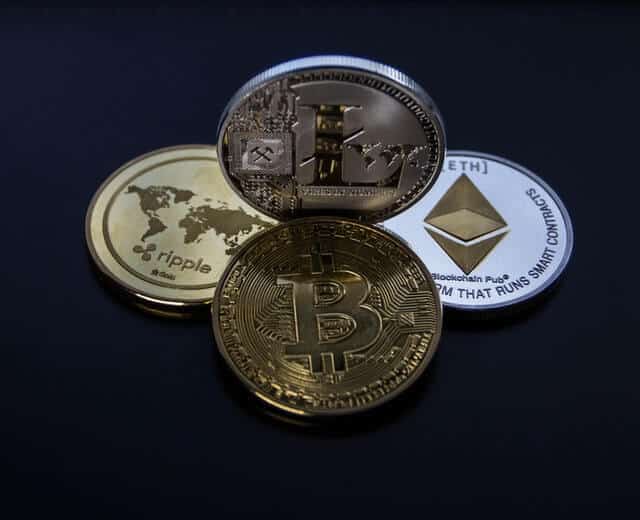
Cryptocurrency ETFs
Crypto ETFs now exist in several markets, although availability depends on local regulation.
In simple terms, a crypto ETF aims to give investors exposure to digital assets through a regulated fund structure rather than through direct ownership in a wallet.
That can appeal to investors who want price exposure without handling private keys, wallets, or exchange accounts. The trade-off is that they do not directly control the underlying coins.
Regulation matters here. Crypto ETF approvals differ by country and product type, so investors should always check the rules in their own jurisdiction and the exact structure of the fund.
For readers focused on digital assets more broadly, our crypto trading section covers related market concepts and trading education.
Bitcoin ETFs
A Bitcoin ETF is designed to track Bitcoin exposure through a fund structure. Depending on the product, that exposure may come from holding spot Bitcoin or from Bitcoin futures contracts.
This matters because spot and futures-based products can behave differently over time. Investors should not assume every Bitcoin ETF works in exactly the same way.
Ethereum ETFs
An Ethereum ETF works on the same broad idea: it gives investors exposure to Ether through an exchange-traded product rather than direct custody of the asset.
As with Bitcoin ETFs, the exact structure, fees, and regulatory treatment can vary by market.
Pros and cons of ETFs
Advantages
- Easy to buy and sell through a brokerage account
- Can provide broad diversification in one trade
- Often lower cost than many actively managed funds
- Useful for gaining exposure to sectors, regions, bonds, or commodities
- Transparent holdings in many cases
Disadvantages
- They still carry market risk
- Some ETFs are narrow, complex, or volatile
- Fees, spreads, and tracking differences can reduce returns
- Trading flexibility can tempt investors to overtrade
- Not every ETF provides the diversification investors expect
Final thoughts
An ETF is best thought of as a wrapper. What matters most is what is inside it.
For many investors, ETFs are a practical way to build diversified exposure without buying every asset individually. For others, especially those using niche or leveraged products, the risks can be higher than the label suggests.
The smart move is simple: check the holdings, understand the strategy, review the fees, and make sure the ETF matches your goals rather than just sounding convenient.
If you want a more active approach to market analysis, you can also explore AltSignals indicators.
FAQ
Do ETFs pay dividends?
Can you lose money in an ETF?
Yes. ETFs are not guaranteed investments. If the assets inside the fund fall in value, the ETF can fall too.
Is an ETF safer than buying individual stocks?
Broadly diversified ETFs are often less risky than owning a small number of individual stocks, but they are not risk-free. Safety depends on what the ETF holds and how concentrated it is.
What is the difference between a spot crypto ETF and a futures crypto ETF?
A spot crypto ETF aims to track the price of the underlying asset more directly, while a futures ETF gets exposure through futures contracts. Futures-based products can behave differently over time because of contract rollover and market structure.























Some do. If the ETF holds dividend-paying stocks or income-producing bonds, it may distribute income to investors or reinvest it, depending on the fund structure.