

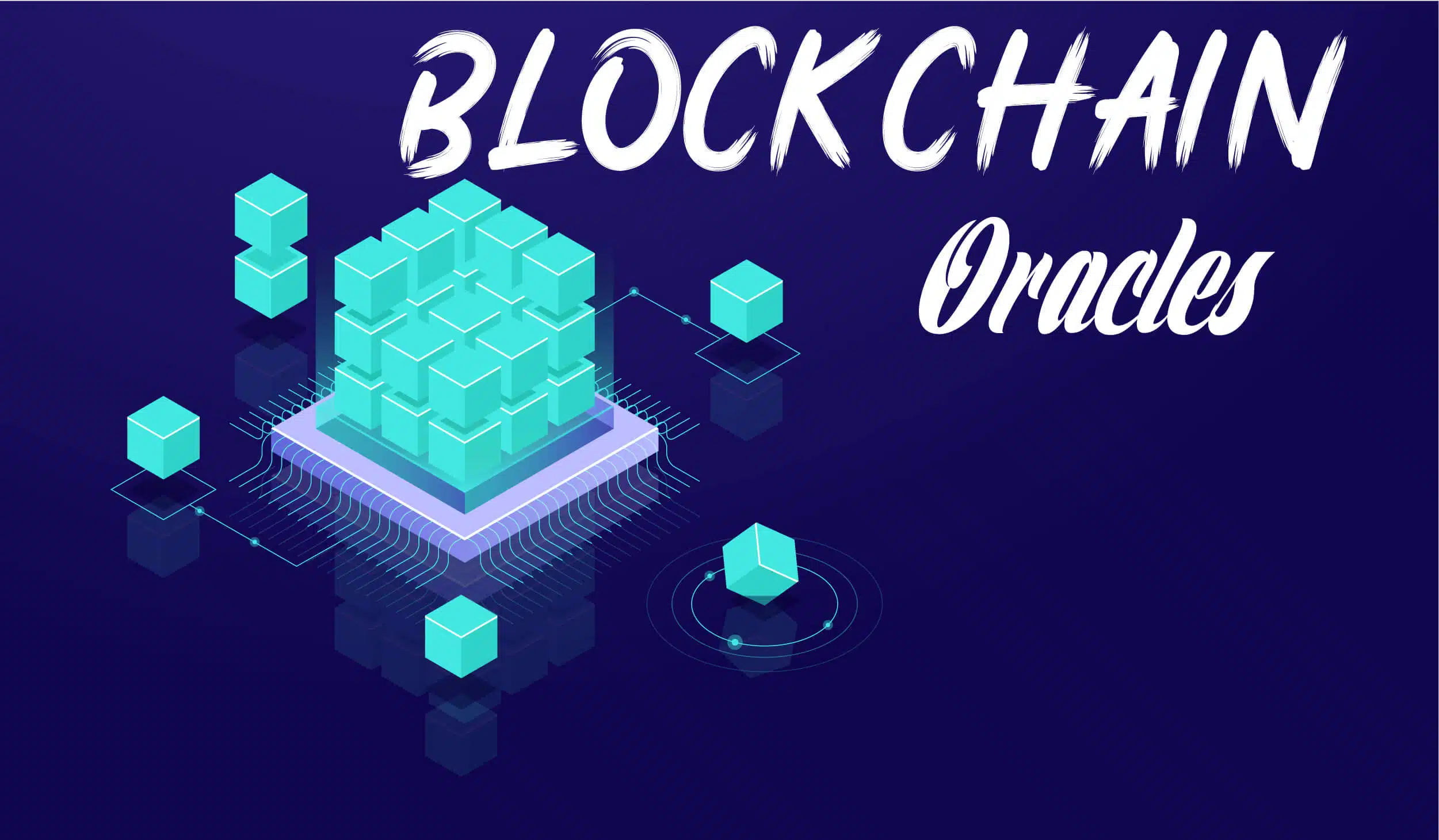
Blockchains are great at verifying what happens on-chain. What they cannot do on their own is check what is happening outside their network. That is where blockchain oracles come in.
A blockchain oracle is a service that brings external data into a blockchain so smart contracts can react to real-world events. That data might be a crypto price feed, a sports result, a weather update, a shipment status, or even a sensor reading from a physical device.
Without oracles, smart contracts would be far more limited. They could only work with data already stored on the blockchain, which is useful for simple transfers but not enough for many DeFi, insurance, gaming, and automation use cases.
If you want a broader foundation first, start with our crypto trading guide.
What is a blockchain oracle?
A blockchain oracle is not usually the original source of information. It acts more like a bridge between off-chain data and on-chain logic.
Here is the simple version:
- A smart contract needs information from outside the blockchain.
- The oracle fetches that information from one or more external sources.
- The oracle delivers the data in a format the blockchain can use.
- The smart contract then executes based on that input.
For example, a lending protocol may need the current ETH/USD price to decide whether a position should be liquidated. The blockchain itself cannot browse exchanges or financial websites, so it relies on an oracle network to supply that price.
This challenge is often called the oracle problem: blockchains are secure and deterministic, but they are not naturally connected to outside data.
Why blockchain oracles matter
Oracles matter because many useful smart contracts depend on information that lives off-chain.
Common examples include:
- DeFi: price feeds for lending, derivatives, and stablecoins
- Insurance: weather or event data for automated payouts
- Gaming: random number generation and external event triggers
- Supply chains: shipment updates, temperature logs, and delivery confirmations
- Tokenized real-world assets: reference prices, rates, and settlement data
In short, oracles expand what smart contracts can do. Without them, most advanced blockchain applications would be stuck in a closed loop.
How blockchain oracles work
The exact design varies by project, but the process usually looks like this:
- A smart contract requests a specific piece of data.
- An oracle service collects that data from external sources.
- The data may be checked, aggregated, or validated before delivery.
- The oracle submits the result to the blockchain.
- The smart contract reads the result and executes its rules.
The key point is that the oracle does not magically make data true. It only transports and, in some systems, helps validate that data. The quality of the outcome depends on the quality of the sources, the oracle design, and the security model behind it.
Different types of blockchain oracles
Not all oracles do the same job. They can be grouped in a few useful ways.
Software oracles
Software oracles pull data from online sources such as exchanges, APIs, databases, websites, or market data providers.
These are common in crypto because smart contracts often need:
- asset prices
- interest rates
- market indexes
- event outcomes
A DeFi protocol using a BTC or ETH price feed is the classic example.
Hardware oracles
Hardware oracles connect blockchains to data generated by physical devices. That could include sensors, scanners, RFID systems, GPS trackers, or industrial equipment.
For example, a supply-chain smart contract could trigger a payment once a sensor confirms that goods arrived within a required temperature range.
These use cases are interesting, but they also introduce a practical issue: if the device is compromised or faulty, the blockchain may still receive bad data.
Inbound oracles
Inbound oracles bring information into the blockchain from the outside world. Most oracle discussions focus on this category because it powers price feeds and event-based smart contracts.
Outbound oracles
Outbound oracles send information from the blockchain to external systems.
For example, a smart contract could trigger an external payment instruction, update a logistics platform, or notify another application once an on-chain condition is met.
Centralized oracles
A centralized oracle relies on a single provider or a single source of truth. This can be faster and simpler, but it creates a clear point of failure.
If that provider goes offline, is manipulated, or reports incorrect data, the smart contract may still act on it.


Decentralized oracles
Decentralized oracle networks use multiple nodes or multiple data sources to reduce reliance on one party. In practice, this can improve resilience and make manipulation harder, especially for high-value DeFi applications.
This is why decentralized oracle design has become such a big topic in Web3. If a smart contract controls real money, the data pipeline matters just as much as the code.
The oracle problem: trust, security, and data quality
The biggest issue with blockchain oracles is simple: a smart contract may be trustless, but the data feeding it often is not.
If an oracle delivers inaccurate or manipulated information, the contract can still execute perfectly and produce the wrong result. That is not a bug in the blockchain. It is a data integrity problem.
Main risks include:
- Bad source data: the original website, API, or device is wrong
- Single point of failure: one oracle provider controls the feed
- Latency: data arrives too slowly for fast-moving markets
- Manipulation: attackers influence the source or reporting process
- Downtime: the oracle network fails when the contract needs it most
This matters a lot in crypto markets. If a lending protocol uses a weak price feed, liquidations can happen unfairly or fail when they should occur. For traders, that is not a technical footnote. It is real risk.
If you use signals and market tools, it also helps to understand how external data shapes trading decisions. For a more hands-on next step, see the AltAlgo indicator and AltSignals trading signals.
Where blockchain oracles are used in practice
Oracle systems show up in more places than most beginners expect.
DeFi protocols
Lending platforms, perpetuals, synthetic assets, and stablecoin systems often depend on reliable price feeds. If the oracle fails, the protocol can misprice collateral or trigger incorrect liquidations.
Parametric insurance
Insurance contracts can use oracle data such as rainfall, flight delays, or weather events to automate payouts when predefined conditions are met.
Prediction markets
These platforms need trusted event outcomes. An oracle may report whether a match ended 2-1, whether an election result was confirmed, or whether a specific event occurred by a deadline.
Supply chain and logistics
Oracles can feed shipment milestones, warehouse scans, or sensor data into smart contracts that release payments or update records automatically.
Cross-system automation
Some oracle designs help connect blockchains with external apps, enterprise systems, or other infrastructure so actions can happen across both on-chain and off-chain environments.
What makes a good blockchain oracle?
Not every oracle setup is equally reliable. A stronger oracle design usually aims for:
- Multiple data sources rather than one fragile feed
- Transparent methodology for how data is collected and aggregated
- Resistance to manipulation during volatile conditions
- Low latency when timing matters
- Clear incentives for honest reporting
- Fallback mechanisms if a source or node fails
For traders and investors, the takeaway is straightforward: if a protocol depends heavily on oracle data, oracle quality is part of protocol risk.
Final thoughts
Blockchain oracles solve a basic but critical limitation: blockchains cannot natively access outside information. By connecting smart contracts to external data, oracles make DeFi, insurance, gaming, and many other blockchain applications possible.
They also introduce a trade-off. The smarter the contract, the more it may depend on data pipelines that can fail, lag, or be manipulated.
So when you hear that a protocol is decentralized, it is worth asking one extra question: where does its data come from?
That question tells you a lot.
FAQ
Are blockchain oracles part of the blockchain itself?
Why can’t smart contracts just pull data directly from the internet?
Smart contracts run in deterministic blockchain environments. Letting them fetch live internet data directly would create security and consensus problems, because different nodes could receive different results at different times.
What is the difference between a centralized and decentralized oracle?
A centralized oracle depends on one provider or source, while a decentralized oracle uses multiple nodes, sources, or validation methods to reduce single-point-of-failure risk.
What is the oracle problem in blockchain?
The oracle problem refers to the difficulty of getting trustworthy off-chain data into a trust-minimized blockchain system. Even if the smart contract code is secure, bad external data can still lead to bad outcomes.














Usually no. Oracles are typically separate services or networks that deliver external data to a blockchain. They work alongside the blockchain rather than being built into its core consensus layer.