

Buying Bitcoin is the easy part. Buying it safely, storing it properly, and knowing what to do next if you want to trade is where beginners usually get tripped up.
The basic flow is simple: choose a reputable exchange, verify your account if required, deposit funds, buy Bitcoin, and decide whether you are holding it or using it for active trading. What matters most is not speed. It is fees, security, and risk control.
If you want the wider market context first, start with this crypto trading guide. If your goal is a practical first purchase and a sensible path into trading, keep reading.
How to buy Bitcoin
If you have never bought Bitcoin before, the process can look more complicated than it really is. Most major exchanges follow the same pattern: create an account, complete identity checks where required, fund the account, and place your order.
This guide uses Binance as a familiar example, but the same logic applies to many regulated crypto platforms. Before choosing any exchange, check four things first:
- whether it is available in your country
- what deposit and withdrawal methods it supports
- how much it charges in trading and payment fees
- what security features it offers, including two-factor authentication
It also helps to decide why you are buying Bitcoin in the first place. A long-term buyer, a spot trader, and someone planning to rotate into altcoins may all use the same exchange, but not in the same way.
Step 1: Open and secure your exchange account

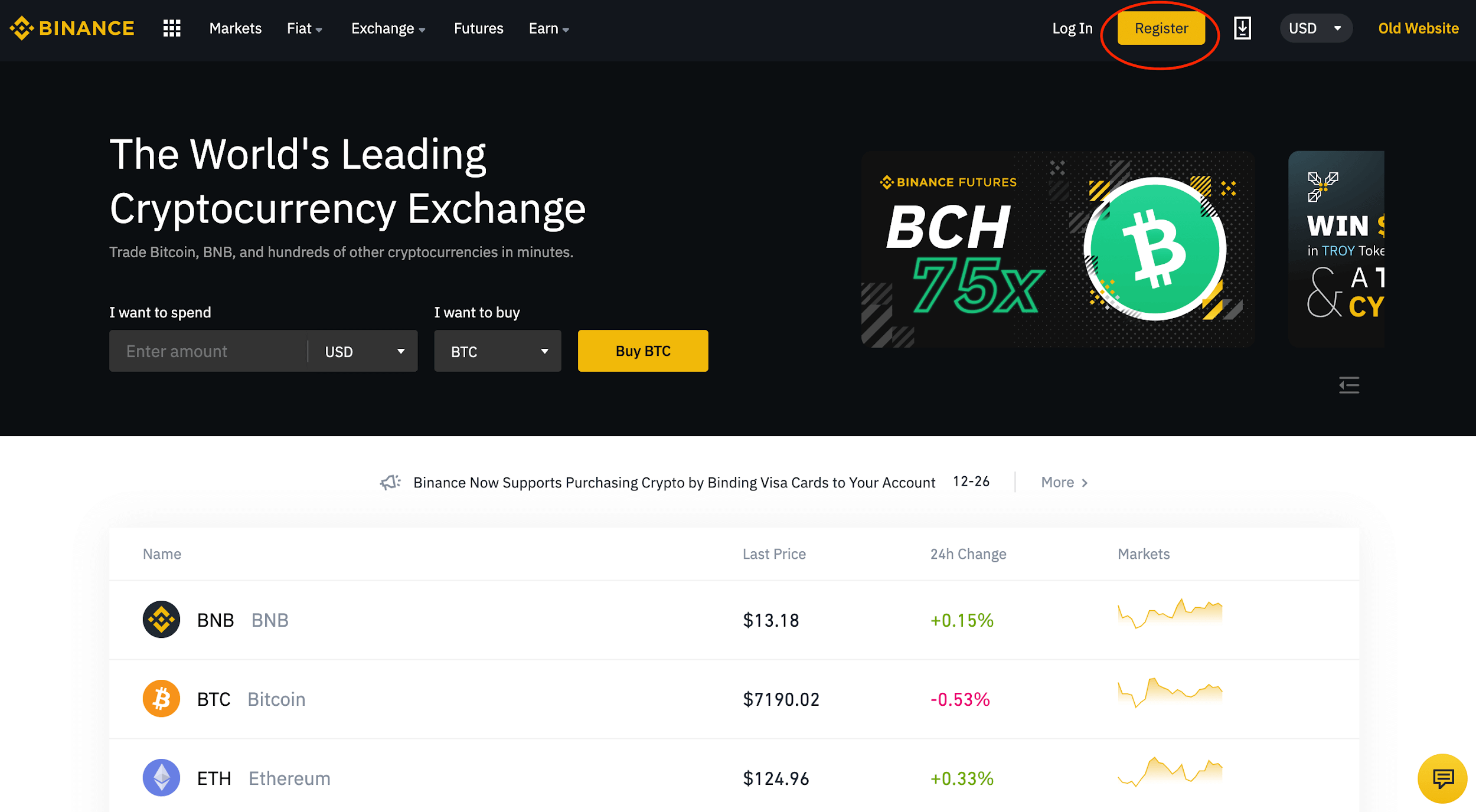
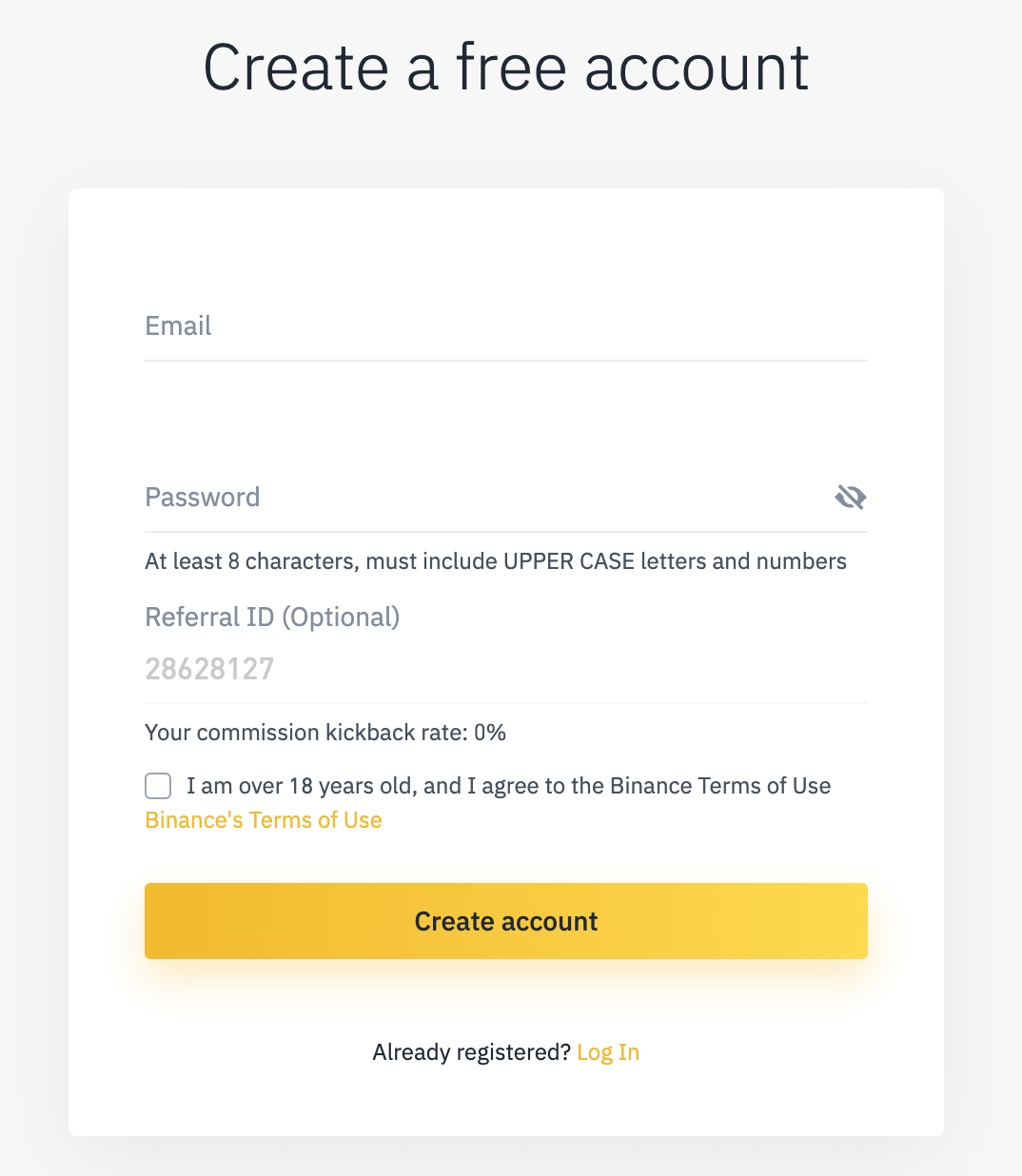
The first step is opening an account with your chosen exchange. On Binance, that means registering with your email address or mobile number, creating a strong password, and following the setup prompts.
If you want to use Binance specifically, you can open an account and complete the onboarding process there.
Depending on your region, you may need to complete identity verification before you can deposit, trade, or withdraw. That is normal. Many platforms now require KYC checks for full account access.
Before you add money, enable two-factor authentication and review your security settings. The UK Financial Conduct Authority also reminds consumers that crypto is high risk and that buyers should understand the product before investing. Not exciting advice, but good advice.
Step 2: Choose how you want to buy Bitcoin
Most exchanges offer a few ways to buy Bitcoin:
- debit or credit card
- bank transfer
- exchange balance funded in advance
- in some regions, third-party payment providers
Card purchases are usually the fastest. They are also often the most expensive. Bank transfers can take longer, but they may reduce fees and give you more flexibility if you plan to trade regularly.
There are also two common ways to execute the purchase:
- Instant buy: simple and beginner-friendly, but often less cost-efficient
- Spot market order: still simple, usually cheaper, and better if you plan to learn trading basics
If you are only making a small first purchase, convenience may matter more. If you expect to buy more than once, it is worth learning the spot interface early.
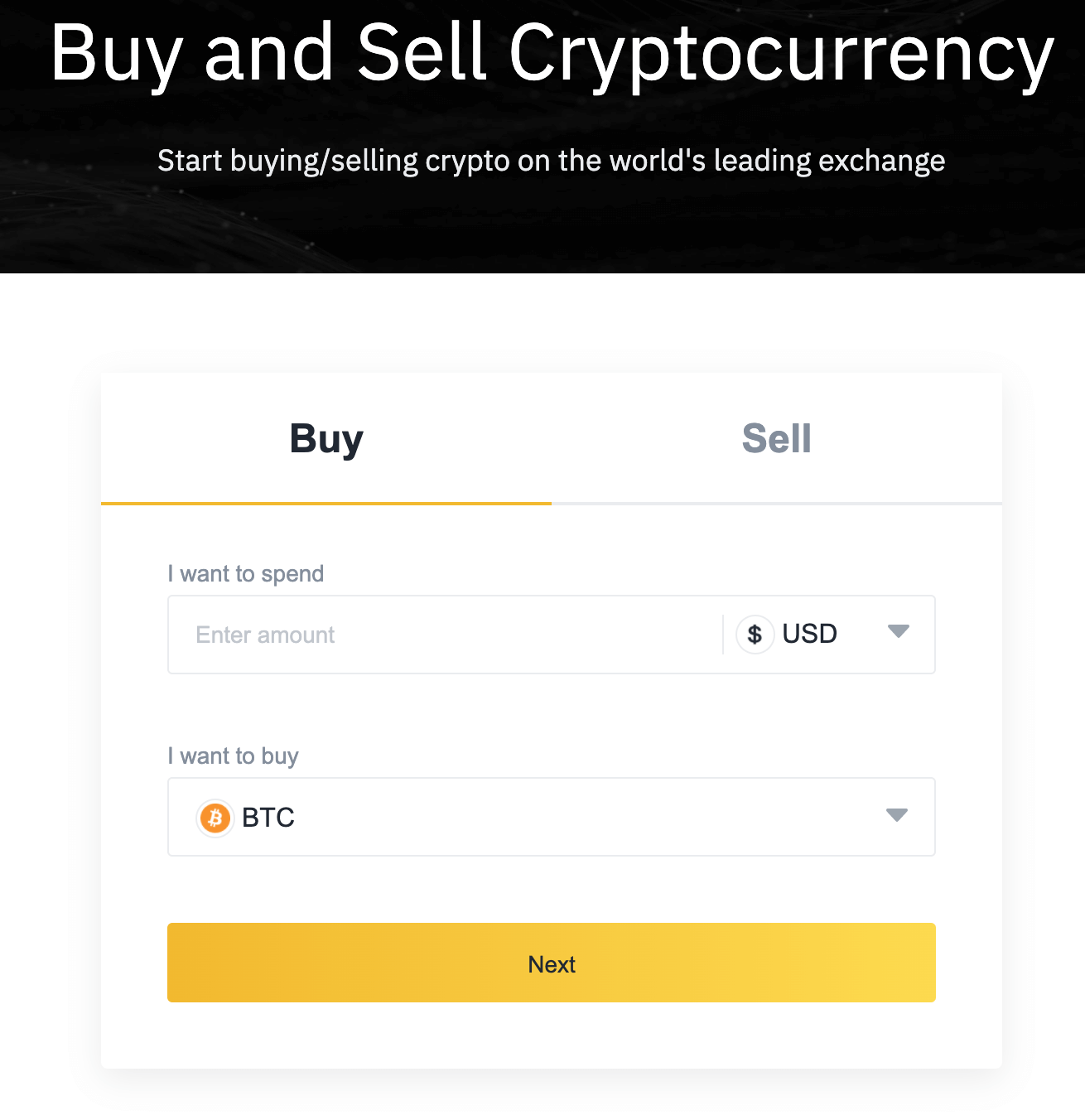
Before confirming the order, review the quoted price, fees, and the final amount of Bitcoin you will receive. Beginners often focus only on the headline price and ignore the spread or payment fee.
Once the purchase is complete, your Bitcoin will appear in your exchange wallet.
Step 3: Decide whether to hold, transfer, or trade
After buying Bitcoin, you have three basic options:
- Hold it on the exchange if you plan to trade soon
- Transfer it to a wallet you control if it is a longer-term holding
- Use it to trade other crypto assets through spot pairs or stablecoin pairs
If you are not actively trading, self-custody can reduce exchange counterparty risk. That said, self-custody also comes with responsibility. If you lose access to your wallet or recovery phrase, there is no support desk that can rescue it.
For active traders, keeping a working balance on an exchange is common. Just avoid treating the exchange like a long-term vault unless you are comfortable with that risk.
Buying altcoins after Bitcoin
Once you own Bitcoin, you can use it to buy altcoins where BTC trading pairs are available. In practice, many traders now also use stablecoin pairs because they are widely supported and easier to price mentally.
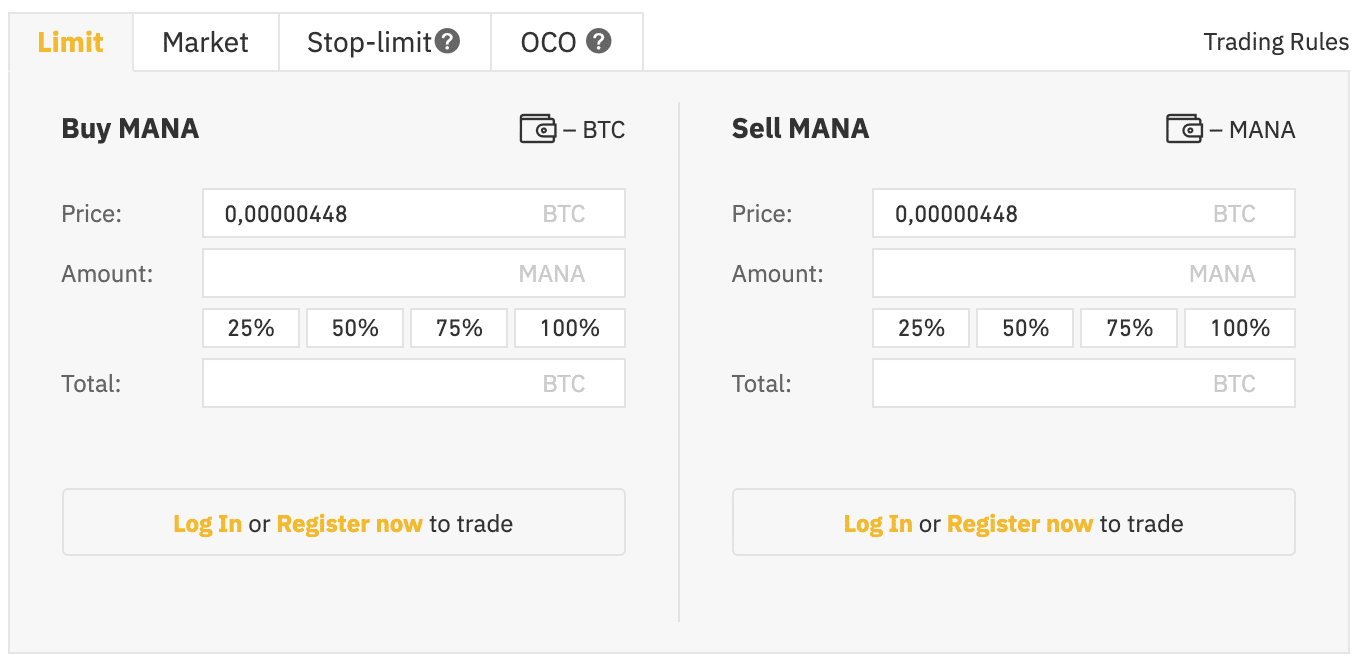
To buy an altcoin, open the exchange trading interface, search for the pair you want, and place your order. For example, if an asset trades against BTC, you can exchange part of your Bitcoin balance for that coin.
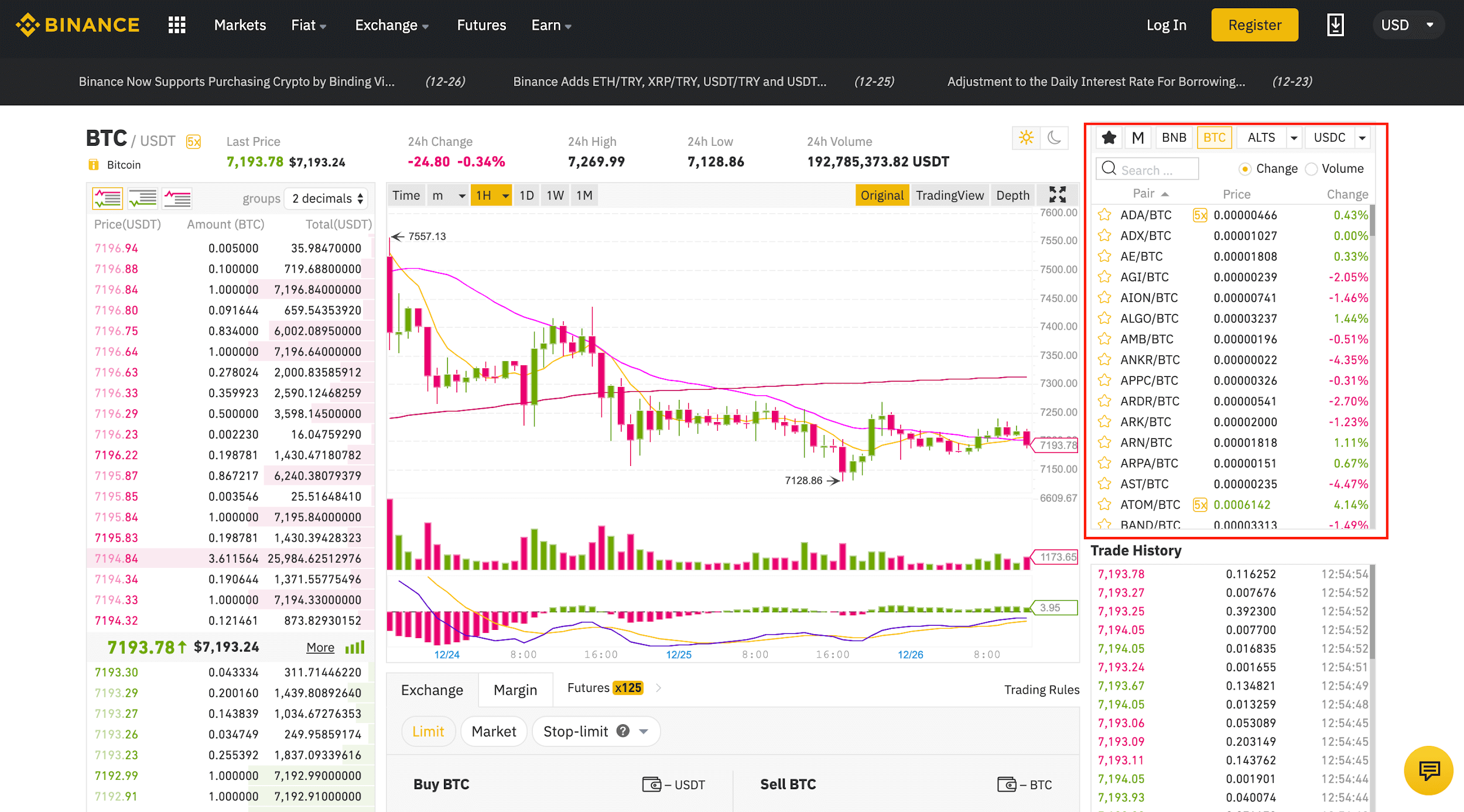
This is where beginners often get overconfident. Buying altcoins is mechanically easy. Evaluating them is not. Smaller coins can have lower liquidity, wider spreads, sharper drawdowns, and much more headline risk than Bitcoin.
If you want more help with entries, exits, and trade planning, see Enhance Your Strategy with Bitcoin Trading Signals and Tips.

Before you start trading: learn the basics that actually matter
Buying Bitcoin does not automatically make you a trader. It just means you own Bitcoin.
If you want to move from buying into trading, focus on a few basics first:
- Market orders: buy or sell immediately at the best available price
- Limit orders: set the price where you want to buy or sell
- Stop-losses: define where you exit if the trade goes wrong
- Take-profit levels: define where you lock in gains
- Position sizing: decide how much capital to risk before entering
That may sound basic, but it is the difference between trading with a plan and improvising with money on the line.
A practical beginner approach is to risk only a small portion of your account on any single trade. The exact percentage depends on your strategy and tolerance for volatility, but the principle is simple: one bad trade should not wreck the month.
If you are still learning, spot trading is usually the cleaner place to start. Derivatives, leverage, and shorting can wait. They are not going anywhere, and neither is liquidation risk.
How crypto trading works after your first purchase
Once you understand how to buy and store crypto, the next step is learning how different markets behave.
Bitcoin often reacts to broader market sentiment, liquidity conditions, and macro news. Ethereum can respond to network developments and ecosystem activity. Smaller altcoins may move more on narratives, listings, token unlocks, or sudden bursts of attention.
That matters because no single setup works in every market condition. A trend-following approach can work well when price is moving strongly in one direction. A range strategy may make more sense when the market is chopping sideways.
It also helps to understand that trading is not just buying and hoping. In derivatives markets, traders can also short an asset if they expect price to fall. That adds flexibility, but also more complexity and more ways to get punished for being wrong.
For most beginners, the sensible progression looks like this:
- learn how to buy and store Bitcoin safely
- understand spot orders and basic chart structure
- practice risk management on small positions
- only then explore leverage, shorting, or automation
If you want a broader look at signal services before using them, read our Comprehensive Guide to Trading Signal Providers.
Common mistakes beginners make
The mistakes are usually predictable:
- buying after a sharp move because of FOMO
- using too much of the portfolio on one trade
- trading without a stop-loss or exit plan
- holding losers too long and taking profits too early
- jumping into illiquid altcoins without understanding the spread
- using leverage before understanding margin and liquidation
- leaving account security as an afterthought
Avoiding obvious mistakes will not make trading easy, but it does improve your odds of staying in the game long enough to learn.
Using signals and tools without relying on them blindly
Some traders build everything from scratch. Others use signals, indicators, or structured trade ideas to speed up the learning curve. That can be useful, especially when you are still learning how to compare setups and manage trades consistently.
The key is to treat signals as decision support, not as a substitute for thinking. A signal can help with structure. It cannot remove risk.
If you want that kind of support, you can explore AltSignals trading signals. If you prefer a chart-based tool, the AltAlgo indicator is another practical option for spotting setups and confirming momentum. For transparency, you can also review published trading results.
Final thoughts
If you want to buy Bitcoin and start trading cryptocurrencies, keep the process simple at first. Choose a reputable exchange, secure the account properly, understand the fees, and know whether you are buying to hold or buying to trade.
After that, the real work is not finding the perfect coin. It is building repeatable habits: small risk, clear entries, planned exits, and enough patience to avoid turning every market move into an emergency.
That may sound less exciting than chasing the next breakout. It is also far more useful.
FAQ
Is it better to buy Bitcoin with a card or bank transfer?
Should I keep Bitcoin on an exchange or move it to a wallet?
If you plan to trade actively, keeping a working balance on an exchange is common. If you are holding for longer term, moving funds to a wallet you control can reduce exchange counterparty risk, provided you understand how to manage wallet security and recovery phrases safely.
Can I start trading crypto with just Bitcoin?
Yes. Many beginners start by buying Bitcoin first, then either hold it, trade it against other assets, or convert part of it into stablecoins for spot trading. The important part is understanding the risks of each step rather than rushing into altcoins or leverage.







Card purchases are usually faster, while bank transfers often come with lower fees. If convenience matters most, a card may be fine for a first small purchase. If you plan to buy regularly, bank transfer is often more cost-efficient.